How to Overcome the Fear of a Blank Canvas Digitally sets the stage for this enthralling narrative, offering insights into the psychological barriers that can stifle creativity in the digital realm. This piece delves into the emotional triggers that artists face, such as perfectionism and self-doubt, which often lead to creative blocks. By addressing these issues, we aim to empower artists with practical strategies and techniques to unleash their creative potential and confidently engage with their digital canvases.
Throughout this discussion, we will explore various methods, from brainstorming and utilizing digital tools to establishing supportive environments and routines. Moreover, we will highlight the significance of mindfulness and learning from fellow artists, alongside encouraging experimentation with different mediums. Each of these elements serves to cultivate a nurturing atmosphere for creativity to flourish.
Understanding the Fear of a Blank Canvas
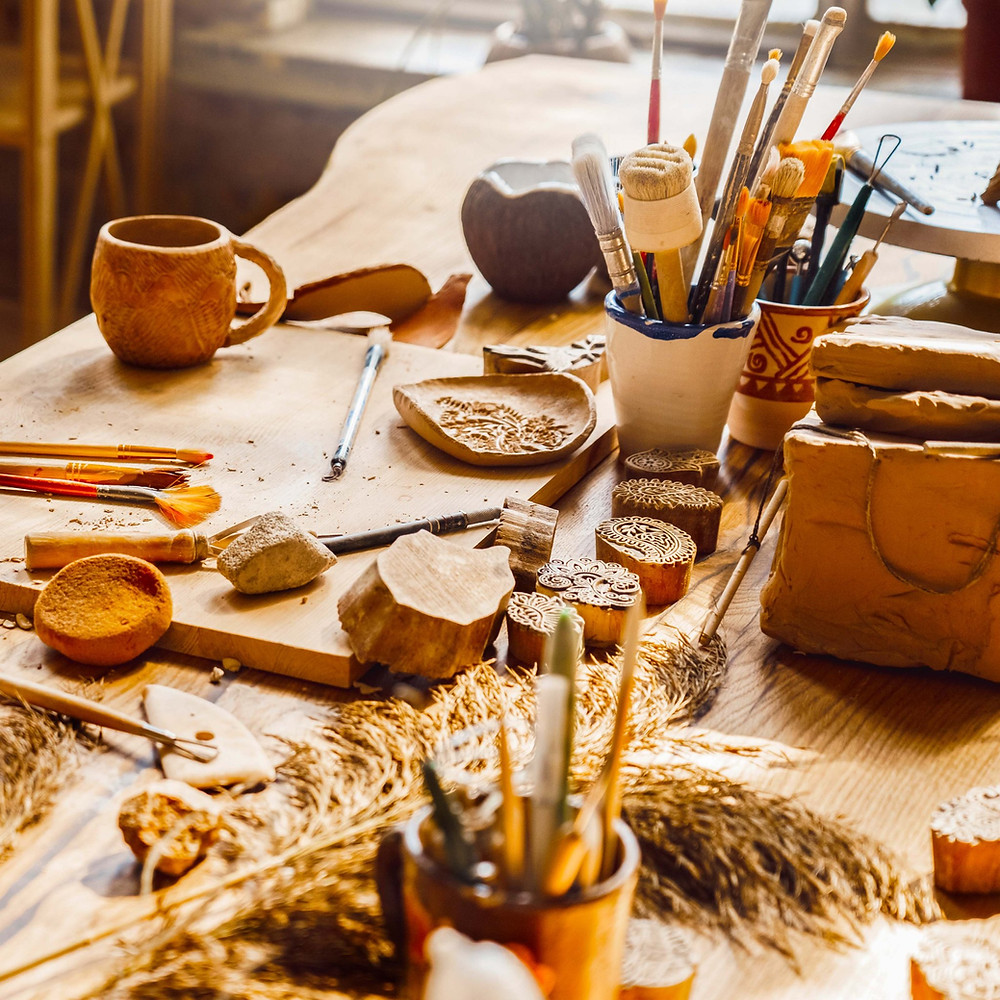
The fear of a blank canvas is a common experience among artists, particularly those working in digital mediums. This fear can stem from various psychological factors that create a barrier to creativity and expression. Understanding these aspects is vital for overcoming this challenge and unlocking one’s full artistic potential.The fear of a blank canvas often arises from the innate human desire to create something meaningful.
It can be linked to anxiety about judgment, the pressure to produce high-quality work, and the internal expectations that artists place upon themselves. This anxiety can lead to a psychological block, making it difficult to begin or progress in a creative endeavor. The fear is compounded by the digital art environment, where the potential for endless revisions and modifications can lead to overwhelm.
Common Triggers of Creative Block in Digital Art
Several factors contribute to creative blocks that artists experience when facing a blank canvas. Recognizing these triggers can be instrumental in developing strategies to overcome them.
- Perfectionism: This is perhaps the most significant contributor to creative block. The overwhelming desire to create a flawless piece can lead to paralysis, causing artists to avoid starting altogether.
- Overwhelm from Tools and Options: Digital art offers a plethora of tools and techniques, which can be intimidating. The vast array of choices can create a sense of confusion, making it hard to decide where to start.
- Comparison with Others: In the age of social media, artists frequently compare their work to that of others, which can diminish confidence and stifle creativity. This can lead to feelings of inadequacy and self-doubt.
- High Expectations: Setting unrealistic goals for a piece can create pressure, making it difficult to begin. The fear of not meeting these expectations can lead to avoidance behaviors.
Impact of Perfectionism on Creativity and Expression
Perfectionism can significantly hinder creativity and expression in digital art. It creates a mental block that prevents artists from freely experimenting with their ideas. This need for perfection can manifest in several ways:
- Fear of Failure: Artists may become so fixated on achieving perfection that they are afraid to make mistakes, which are often essential for growth and innovation.
- Stagnation in Skill Development: The pressure to create perfect work can lead to a reluctance to try new techniques or styles, ultimately stunting artistic growth.
- Reduction in Enjoyment: The focus on perfection can transform art from a joyful expression into a stressful obligation, causing artists to lose passion for their craft.
The importance of addressing perfectionism cannot be overstated. Embracing imperfection allows for greater creative freedom and encourages experimentation, leading to unique and authentic artistic expression.
Techniques to Combat the Fear
Overcoming the fear of a blank canvas is essential for any digital artist or creator. Utilizing effective techniques can significantly reduce anxiety and stimulate creativity. In this section, we will explore various methods that can help individuals combat this fear, enabling them to start their creative process with confidence.
Brainstorming Ideas Before Starting a Digital Piece
Brainstorming is a foundational step in the creative process that allows artists to generate a multitude of ideas before engaging with the canvas. This practice can alleviate the pressure of perfectionism and provide a clear direction. Techniques such as mind mapping, free writing, and sketching can be instrumental in this stage.
- Mind Mapping: Create a visual representation of your ideas by connecting them in a web-like structure. This method can help clarify relationships between different concepts and inspire new thoughts.
- Free Writing: Set a timer for 5-10 minutes and write down any thoughts that come to mind without worrying about grammar or structure. This can unlock hidden ideas and allow creativity to flow freely.
- Quick Sketches: Doodle or sketch out random ideas on paper or digitally. This non-committal act can lead to unexpected concepts and encourage further exploration.
Setting Small, Achievable Goals in the Creative Process
Breaking down the creative process into smaller, manageable tasks can significantly reduce feelings of overwhelm. Setting specific, realistic goals fosters a sense of accomplishment and motivates progress.
- Daily Creative Goals: Establish a daily target, such as completing a specific section of a digital piece or dedicating a certain amount of time to practice. This approach helps build a routine and encourages consistency.
- Project Milestones: For larger projects, define key milestones to celebrate along the way. This could include finishing the initial sketch, completing color work, or finalizing details.
- Feedback Sessions: Schedule regular intervals to review your work and gather feedback. This external input can provide fresh perspectives and propel you forward in your project.
Warm-Up Exercises to Stimulate Creativity
Before diving into a new digital piece, engaging in warm-up exercises can activate creativity and loosen up the mind. These exercises serve as a bridge between the mundane and the imaginative.
- Gesture Drawing: Spend a few minutes sketching quick gestures or poses to warm up your hand and eye coordination. This practice enhances your ability to capture movement and fluidity.
- Color Exploration: Experiment with different color palettes using simple shapes or forms. This not only warms up your color theory skills but also makes you comfortable with the software tools.
- Art Challenges: Participate in daily or weekly art challenges, such as “30-day drawing challenges.” These prompts can spark ideas and push you to create without the pressure of starting from scratch.
“The only way to combat the fear of the blank canvas is to transform it into a playground of possibilities.”
Utilizing Digital Tools and Resources
In the digital age, artists have a wealth of tools and resources at their fingertips, designed to spark creativity and facilitate the artistic process. Harnessing these digital platforms can significantly ease the anxiety associated with starting on a blank canvas. This section explores various applications, platforms, and techniques that can inspire and guide artists through their creative journeys.
Apps and Platforms for Creativity
A variety of applications and platforms are available that can help artists overcome the fear of a blank canvas by providing inspiration and structure. Below are some notable tools that are highly regarded within the artistic community:
- Procreate: A powerful digital illustration app for iPad that offers brushes and tools specifically designed for artists.
- Adobe Fresco: An app that combines the expressive capabilities of traditional painting with the accessibility of digital art.
- Canva: A versatile graphic design platform that provides numerous templates for various artistic and marketing needs.
- ArtStation: An online community where artists can showcase their work, gain feedback, and find inspiration from others in the field.
- SketchBook: A user-friendly drawing app that offers various brushes and tools for sketching and painting.
Using Templates for Idea Generation
Templates can serve as an essential tool for artists, providing a framework to build upon and helping to eliminate the intimidation of an empty canvas. They can guide the artistic process and stimulate creativity by providing starting points for a piece. Here are some effective ways to utilize templates:
- Search for customizable templates that fit your artistic style and modify them to make them your own.
- Utilize mood boards as templates to collect visual inspiration, colors, and styles that resonate with your vision.
- Leverage storyboard templates to plan out your ideas visually, which can help you identify the direction of your artwork.
Incorporating Color Palettes and Textures
Color palettes and textures can be significant sources of inspiration, providing artists with a clear direction at the beginning of their projects. Understanding how to effectively use these elements can ease creative anxiety and stimulate the first strokes of a piece. Here are some methods to inspire initial creativity:
- Explore color palette generators like Coolors or Adobe Color to discover harmonious combinations that evoke specific emotions.
- Apply textures available in digital art resources to create depth and interest in your initial strokes, enhancing the visual appeal of your work.
- Experiment with different brush settings in digital applications to see how various textures can change the look and feel of your piece.
“The possibilities of digital tools are vast; they can transform a blank canvas into a vibrant expression of creativity.”
Building a Supportive Environment
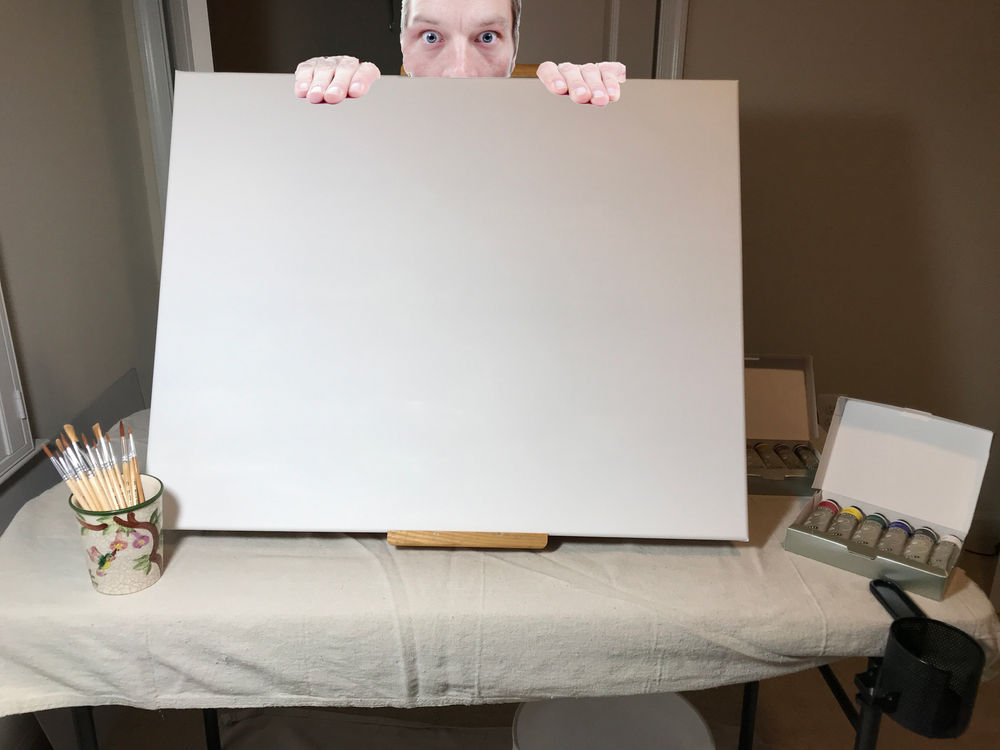
Creating a nurturing and encouraging atmosphere is essential for overcoming the fear of a blank canvas. By engaging with other creatives and surrounding oneself with supportive communities, individuals can foster inspiration and motivation that significantly contributes to their creative journey. This section will explore the importance of building a supportive environment, utilizing social media positively, and setting up a workspace that minimizes distractions.
Importance of Creative Communities
Surrounding oneself with like-minded individuals who share an enthusiasm for creativity can provide a sense of belonging and support. Engaging in creative communities allows artists to share ideas, receive constructive feedback, and celebrate each other’s successes. The following points highlight the benefits of being part of such communities:
- Networking Opportunities: Connecting with fellow artists can lead to collaborations and partnerships that enhance one’s creative output.
- Access to Diverse Perspectives: Exposure to different artistic styles and approaches can inspire new ideas and techniques.
- Emotional Support: Sharing struggles and achievements with peers can foster resilience and motivation during creative blocks.
Utilizing Social Media for Inspiration
Social media platforms have become powerful tools for artists to showcase their work and connect with others in the creative field. Positive use of social media can inspire creativity and provide a space for sharing accomplishments. The following strategies can enhance the experience:
- Following Inspiration Sources: Engaging with accounts that share art tutorials, success stories, and creative challenges can spark new ideas.
- Participating in Online Challenges: Joining art challenges on platforms such as Instagram or TikTok can encourage regular practice and exposure to new techniques.
- Creating a Portfolio: Using platforms like Behance or Pinterest to display one’s work can attract feedback and lead to new opportunities.
Setting Up a Distraction-Free Workspace
A well-organized and distraction-free workspace is crucial for maintaining focus and productivity. By creating an environment conducive to creativity, artists can minimize interruptions and enhance their creative flow. Consider the following aspects when designing a workspace:
- Decluttering: Removing unnecessary items from the workspace can help clear the mind and reduce distractions.
- Organizing Supplies: Keeping art materials organized and accessible streamlines the creative process and saves time.
- Incorporating Comfort: Adding comfortable seating and adequate lighting enhances the physical workspace, making it more inviting for extended creative sessions.
“An inspiring environment not only boosts creativity but also nurtures the artistic spirit, enabling individuals to thrive and overcome challenges.”
Developing a Personal Routine
Establishing a consistent creative practice is essential for overcoming the fear of a blank canvas. A personal routine can provide structure and make the creative process more approachable. By developing a routine, artists can gradually build confidence and reduce anxiety associated with starting new projects.Creating a structured artistic routine involves several key steps. These steps not only help in fostering a disciplined approach to art but also promote continuous growth.
The following framework Artikels practical methods for incorporating daily or weekly art challenges into your routine as well as methods to reflect on progress and celebrate small victories.
Steps for Establishing a Consistent Creative Practice
Establishing a routine can significantly enhance creativity and productivity. Consider implementing the following steps:
- Set Specific Time Slots: Designate certain times each day or week solely for your creative work. Consistency in timing helps in forming a habit.
- Create a Dedicated Workspace: Establish a specific area for your artistic endeavors. A well-organized and inspiring space can enhance focus and creativity.
- Start with Small Goals: Begin with manageable tasks that can be completed in short sessions to avoid feeling overwhelmed. Gradually increase the complexity of the challenges as comfort grows.
- Incorporate Variety: Experiment with different mediums or styles to keep the creative process engaging. Rotating between various forms of art can ignite inspiration.
Framework for Incorporating Daily or Weekly Art Challenges
Integrating challenges into your creative routine not only enhances skills but also adds excitement. Here is a framework to facilitate this process:
“Challenges provide opportunities for growth, pushing boundaries while fostering creativity.”
- Weekly Themes: Choose a theme for each week. For example, focus on landscapes one week and portraits the next. This can stimulate diverse thinking.
- Daily Prompts: Use prompts to spark creativity each day. For instance, create an artwork inspired by a color, an emotion, or a specific object.
- Collaborative Challenges: Engage with fellow artists through social media platforms. Participate in community challenges where submissions are shared and critiqued.
- Self-Assessment: After each challenge, take time to reflect on what worked and what didn’t. Document your thoughts and feelings to track progress.
Methods to Reflect on Progress and Celebrate Small Victories
Reflecting on progress and celebrating achievements, no matter how small, is crucial for maintaining motivation. Here are effective methods to incorporate reflection and celebration into your routine:
“Celebrating small victories builds momentum and fosters a positive mindset.”
- Keep a Visual Journal: Document your artworks regularly to visually track your growth. Include notes on your emotional state and insights gained during the process.
- Share Your Work: Present your completed challenges to friends, family, or online communities. Feedback and encouragement can reinforce your progress.
- Reward Yourself: Set up a reward system for completing challenges. Treat yourself to something special to reinforce the habit of creating.
- Reflect Monthly: Dedicate time at the end of each month to review your creations. Recognize the skills acquired and set intentions for the following month.
Exploring Mindfulness and Relaxation Techniques
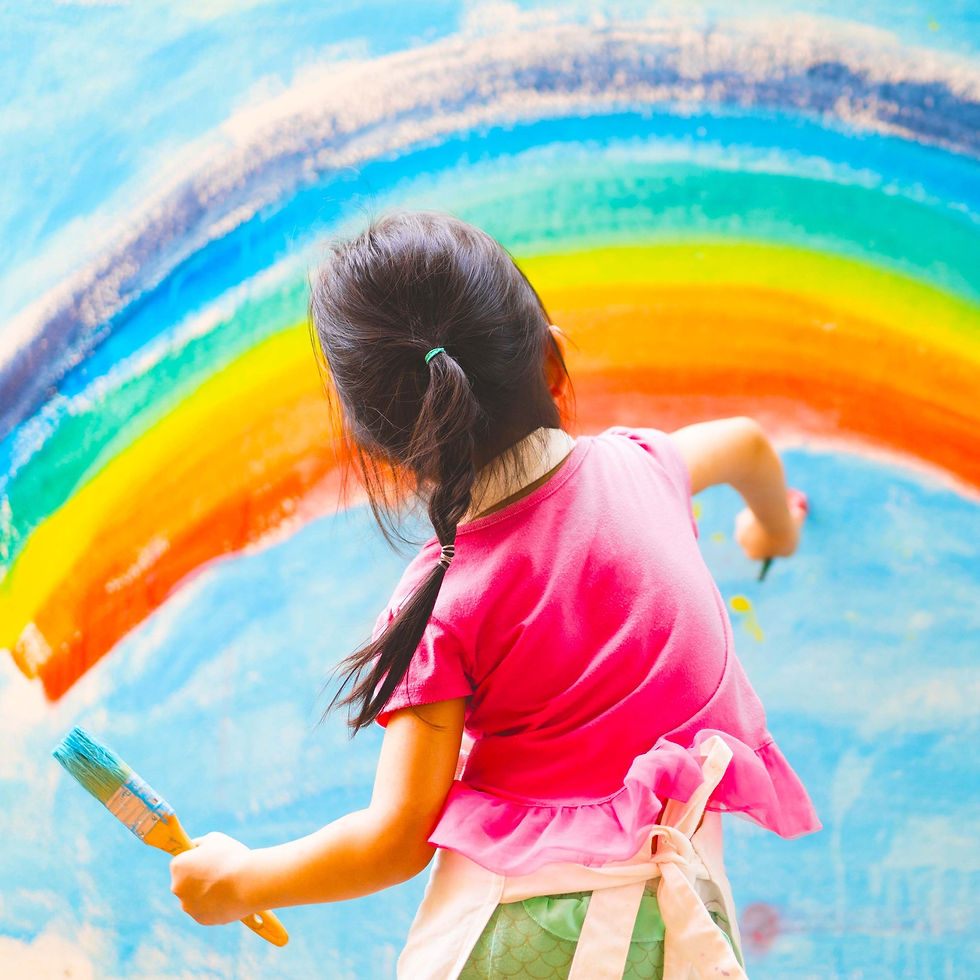
Engaging in creative pursuits often entails grappling with anxiety, particularly when faced with a blank canvas. Mindfulness and relaxation techniques can serve as essential tools for artists, enabling them to manage these feelings and enhance their creative expression. These practices foster a greater awareness of the present moment, allowing individuals to focus on their artistic process rather than the pressure to produce something perfect.The practice of mindfulness has been shown to reduce anxiety and improve emotional regulation, which can be particularly beneficial for those navigating the uncertainties of creativity.
By cultivating a non-judgmental awareness of one’s thoughts and feelings, artists can approach their work with a sense of ease and confidence. This shift in mindset can transform the fear of a blank canvas into an opportunity for exploration and innovation.
Benefits of Mindfulness Practices
Incorporating mindfulness practices into the creative process offers various advantages. These benefits include:
- Reduction of Anxiety: Mindfulness helps artists quiet their inner critic, fostering a more relaxed state that allows for greater creativity.
- Increased Focus: By practicing mindfulness, artists can enhance their ability to concentrate on their current task, leading to improved productivity.
- Enhanced Emotional Well-being: Regular mindfulness practice contributes to better emotional health, enabling artists to manage stress and frustration more effectively.
- Improved Creative Flow: Mindfulness can help overcome creative blocks by promoting a state of flow, where ideas and inspiration can freely surface.
Relaxation Exercises Tailored for Artists
Implementing relaxation exercises specifically designed for artists can help cultivate a tranquil mindset conducive to creative work. Here are some effective exercises:
- Deep Breathing: Focus on taking slow, deep breaths, inhaling for a count of four, holding for four, and exhaling for four. This exercise calms the nervous system and prepares the mind for creativity.
- Progressive Muscle Relaxation: Systematically tense and then relax each muscle group in the body, beginning from the toes and working up to the head. This practice reduces physical tension related to anxiety.
- Visualization: Spend a few minutes visualizing a serene environment, such as a peaceful forest or a calm beach. Engaging the senses in this way can create a sense of tranquility that enhances creativity.
- Art Journaling: Keep a journal dedicated to free-form artistic expression without the pressure of perfection. This practice encourages spontaneous creativity and serves as a meditative outlet.
Role of Meditation in Enhancing Creative Flow
Meditation plays a significant role in fostering a conducive environment for creativity. Regular meditation practice can lead to profound changes in brain function that support artistic endeavors. Through meditation, individuals can develop a heightened sense of awareness and presence, which allows them to tap into their intuition and creative instincts. Furthermore, studies have shown that meditation enhances divergent thinking, a critical component of creative problem-solving.
This means that by meditating regularly, artists can improve their ability to generate unique ideas and solutions, thereby reducing the fear associated with starting anew.
“Meditation not only calms the mind but also opens the door to innovative thinking, allowing creativity to flow freely.”
In summary, integrating mindfulness and relaxation techniques can be transformative for artists seeking to overcome the fear of a blank canvas. By embracing these practices, individuals can create a supportive mental environment that nurtures creativity and artistic expression.
Learning from Other Artists
Many artists grapple with the fear of a blank canvas, a common hurdle that can impede creativity. However, numerous renowned artists have navigated these challenges and emerged stronger. By exploring their journeys, aspiring creators can gather inspiration and realize that they are not alone in their struggles. These stories serve as valuable reminders that fear can be conquered, and creativity can flourish with perseverance and resilience.
Understanding the experiences of famous artists can provide insights into overcoming creative blocks. For instance, the acclaimed painter Vincent van Gogh faced tremendous self-doubt and anxiety throughout his life. Despite this, he produced an impressive body of work that continues to inspire generations. Learning from such stories not only highlights the universality of creative fear but also emphasizes the importance of persistence and exploration of different artistic avenues.
Stories of Famous Artists Who Overcame Fear
Throughout history, many artists have faced the daunting blank canvas yet triumphed through dedication and innovative thinking. These narratives are not only inspiring but also offer practical lessons for those experiencing similar fears. For example, the abstract painter Wassily Kandinsky initially struggled with conforming to traditional forms and techniques. His eventual departure from conventional methods led him to develop a unique style that revolutionized modern art.
Another powerful example is the sculptor Michelangelo, who expressed his apprehensions about his work. He reportedly experienced intense self-doubt leading up to monumental projects like the Sistine Chapel. However, he channeled these fears into creating masterpieces that are celebrated today. These stories illustrate that the journey of an artist can be fraught with challenges, yet it is often through confrontation and exploration of these fears that true artistry is born.
Value of Studying Different Styles
Exploring various artistic styles can serve as a catalyst for personal growth and creativity. By exposing oneself to diverse forms of expression, an artist can gain fresh perspectives, techniques, and inspiration to fuel their work. This exploration allows individuals to break free from their self-imposed limitations and embrace a broader artistic palette.
Engaging with different art movements, such as Impressionism, Cubism, or Surrealism, can ignite new ideas and encourage experimentation. Artists can combine elements from multiple styles to create innovative pieces that reflect their unique voice. This cross-pollination of ideas not only enriches the artist’s practice but also fosters a deeper appreciation for the artistic endeavors of others.
Resources for Overcoming Creative Blocks
To aid in overcoming creative fears, many resources are available that delve into the experiences of artists and provide strategies for combating creative blocks. The following list includes noteworthy books, documentaries, and podcasts that offer insightful perspectives on this topic:
- Books:
- The Artist’s Way by Julia Cameron – A classic guide to unlocking creativity through self-discovery and practical exercises.
- Big Magic: Creative Living Beyond Fear by Elizabeth Gilbert – Explores the nature of creativity and how to embrace curiosity while overcoming fear.
- Steal Like an Artist by Austin Kleon – Encourages artists to draw inspiration from others and adopt a mindset of creating without fear.
- Documentaries:
- Abstract: The Art of Design
-A series that profiles various designers and artists, showcasing their creative processes and struggles. - Exit Through the Gift Shop
-A unique look at street art and the creative journey of artists like Banksy, highlighting the challenges they face.
- Abstract: The Art of Design
- Podcasts:
- Creative Peptalk
-Offers advice and encouragement for artists while discussing ways to overcome creative blocks. - ArtCurious
-Presents intriguing stories about art history and the artists behind significant works, inspiring listeners to explore their creativity.
- Creative Peptalk
These resources serve as tools for artists to gain insights, find inspiration, and learn methods to navigate through creative challenges, fostering a supportive community where sharing experiences becomes a powerful means of growth.
Experimenting with Different Mediums
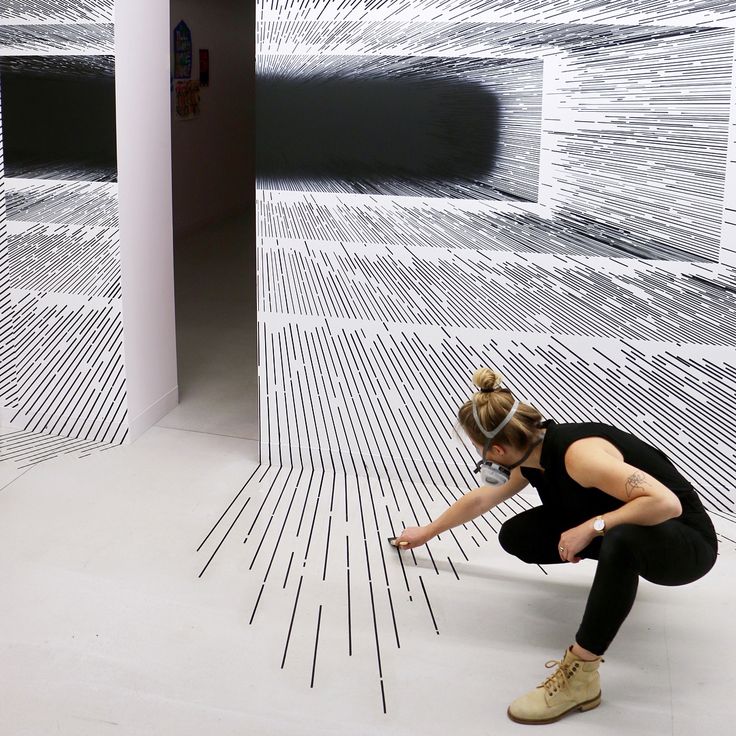
Exploring various digital art tools can be a transformative experience for artists seeking to overcome the fear of a blank canvas. By stepping outside of familiar boundaries, artists can invigorate their creative process and discover new avenues of expression.Experimenting with different mediums not only breaks the monotony of routine practices but also opens up a realm of possibilities for creativity.
Engaging with diverse digital tools encourages innovation and allows artists to view their work from unique perspectives. For instance, combining digital painting with photography can yield captivating results, transforming ordinary images into extraordinary pieces of art.
Mixed Media Approaches
Incorporating mixed media techniques into digital art practices can inspire creativity and lessen the anxiety associated with starting a new piece. Artists can blend various forms, including drawing, painting, and photography, to create visually rich and engaging artworks. Here are some examples of mixed media approaches to consider:
- Digital Collage: Combining photographs, graphics, and textures to create a layered composition that tells a story or conveys a message.
- Photo Manipulation: Altering images using digital tools to produce surreal or abstract representations that challenge traditional perceptions.
- Digital Painting on Photographs: Utilizing a photograph as a base and then painting over it to add elements, enhance colors, or create a unique artistic interpretation.
- 3D Modeling with Digital Painting: Designing three-dimensional objects and applying digital painting techniques to create textures and colors that contribute to the overall aesthetics.
Changing mediums can significantly alter an artist’s perspective, providing fresh insights and ideas that may not have emerged within the confines of a single medium. For example, an artist accustomed to digital painting may find that experimenting with vector graphics leads to a newfound appreciation for precision and clarity in their work. Additionally, the act of shifting focus from one medium to another can diminish the fear associated with starting anew, as it encourages a mindset of playfulness and exploration rather than perfectionism.Ultimately, the journey of experimenting with different mediums fosters a spirit of innovation and resilience, allowing artists to develop a deeper connection with their work while minimizing the fear of a blank canvas.
Ultimate Conclusion
In summary, overcoming the fear of a blank canvas digitally is an achievable journey that involves understanding one’s emotions, adopting practical techniques, and fostering a supportive creative community. By implementing the strategies discussed, artists can gradually diminish their fears and transform their blank canvases into vibrant expressions of their inner worlds. Remember, every stroke can be a step towards creativity, and embracing the process is just as important as the final piece.