How to Create a Sense of Depth in Your Scenery sets the stage for this enthralling narrative, offering readers a glimpse into a story that is rich in detail and brimming with originality from the outset. This exploration delves into the essential principles of depth in landscape design, illuminating how various elements interplay to enhance viewer perception in art and photography.
By understanding the techniques and strategies that contribute to depth, including perspective, color choices, lighting, and texture, readers will gain valuable insights that can elevate their artistic endeavors across multiple mediums. Through practical applications and advanced techniques, the discussion aims to empower creators to bring their work to life with a profound spatial experience.
Understanding Depth in Scenery
The concept of depth in landscape design is crucial for creating visually engaging and dynamic environments. Depth refers to the perception of distance within a scene, enabling viewers to experience a three-dimensional quality on a two-dimensional surface. A well-executed sense of depth can draw the viewer’s attention, guiding their eye through various elements of a composition while enhancing the overall aesthetic appeal.Several elements contribute to establishing a sense of depth in scenery, including perspective, layering of elements, atmospheric effects, and color gradients.
Each factor plays a significant role in how depth is perceived, influencing both the emotional response and the engagement of the viewer with the artwork or photograph. Understanding these elements allows artists and designers to create immersive experiences that resonate with the audience.
Elements Contributing to Depth
To achieve depth in scenery, various techniques and components can be utilized. The following points elaborate on these crucial aspects:
- Linear Perspective: This technique involves converging lines that lead the viewer’s eye towards a vanishing point, creating an illusion of distance. For example, in a landscape painting featuring a road or railway track, the lines converge in the background, suggesting depth.
- Overlapping Elements: By placing objects in front of one another, artists can create a visual hierarchy that indicates which elements are closer or further away. In a forest scene, trees in the foreground will overlap those in the background, reinforcing the perception of depth.
- Atmospheric Perspective: This technique describes how objects appear less distinct and more muted as they recede into the distance due to atmospheric effects. For instance, mountains may take on a bluish hue, appearing lighter and less saturated than those in the foreground.
- Color and Value Gradation: Colors can suggest depth, with warmer tones appearing closer and cooler tones receding into the background. A sunset scene, with vibrant yellows and oranges in the foreground transitioning into cooler purples and blues in the background, exemplifies this concept.
- Texture Variation: Texture can also enhance depth perception; surfaces that are highly detailed and textured seem closer compared to smoother and less detailed surfaces. In a painting of a garden, the detailed petals of flowers in the foreground contrast with the softer textures of the background foliage.
“Depth in scenery not only enhances visual interest but also evokes emotional responses and storytelling within a composition.”
Examining how depth impacts viewer perception can be illustrated through art and photography. In art, a masterful use of depth can transform a simple landscape into a compelling narrative, inviting viewers to lose themselves in the depicted scene. Similarly, in photography, techniques like depth of field allow photographers to manipulate focus, emphasizing foreground subjects while blurring elements in the background, thereby fostering an immersive experience.
The combination of these techniques contributes significantly to the storytelling aspect of both mediums, engaging viewers on a more profound level.
Techniques for Creating Depth
Creating a sense of depth in a scenic composition is essential for establishing a three-dimensional space within two-dimensional artwork. This can be achieved through various techniques that enhance the viewer’s perception of distance and layering. Understanding these methods allows artists to guide the viewer’s eye through the scene and create a more engaging visual experience.
Perspective in Creating Depth
Perspective is a fundamental technique for establishing depth in a scene. It refers to the way objects appear smaller as they recede into the background, mimicking the natural visual experience. Utilizing linear perspective, artists can create a vanishing point on the horizon line where parallel lines converge. This technique effectively draws the viewer’s eye into the artwork and enhances the illusion of depth.To apply perspective effectively, consider the following points:
- Identify the horizon line, which represents the viewer’s eye level.
- Determine the vanishing point where lines converge.
- Use converging lines from the edges of the artwork to guide the viewer’s focus toward the vanishing point.
- Incorporate varying sizes of objects, making them smaller as they move away from the foreground.
Layering Foreground, Middle Ground, and Background
Layering is crucial for creating depth and involves dividing the scene into three distinct areas: the foreground, middle ground, and background. This technique provides visual interest and context, allowing viewers to navigate the composition easily.To effectively layer these components, consider the following strategies:
- In the foreground, incorporate larger, more detailed elements to capture attention.
- In the middle ground, add elements that are slightly smaller and less detailed to create a sense of transition.
- In the background, utilize muted colors and less detail to suggest distance and atmospheric effects.
- Ensure that each layer interacts cohesively, using overlaps to further enhance depth perception.
Atmospheric Perspective for Depth
Atmospheric perspective, also known as aerial perspective, is a technique that employs color and clarity to create the illusion of depth. This method relies on the observation that distant objects appear lighter, less saturated, and less defined due to the effects of the atmosphere.Key aspects to consider when using atmospheric perspective include:
- Utilize cooler colors for distant objects, such as blues and grays, to simulate the effects of atmosphere.
- Apply less contrast and detail to objects in the background, allowing the foreground to stand out.
- Gradually transition colors from warm, saturated tones in the foreground to cooler, desaturated tones in the background.
- Observe real-life landscapes to understand how atmospheric perspective affects the appearance of depth in nature.
Color and Depth Perception
The perception of depth in a scene is significantly influenced by the choice of colors employed. Different colors can evoke various feelings and interpretations, adding layers of complexity to the visual experience. Understanding how color interacts with depth can enhance the effectiveness of a composition, allowing artists and designers to create more engaging and dynamic visuals.The relationship between color and depth perception stems from the psychological and physiological responses of the human eye to different wavelengths of light.
Warm colors, such as reds and yellows, tend to advance towards the viewer, giving an impression of closeness, while cool colors, such as blues and greens, recede, creating a sense of distance. This principle is essential in crafting realistic and compelling scenery that draws viewers in.
Contrast between Warm and Cool Colors
The distinction between warm and cool colors plays a pivotal role in establishing depth. The table below illustrates how these color categories differ in terms of depth perception:
| Color Type | Examples | Depth Perception |
|---|---|---|
| Warm Colors | Red, Orange, Yellow | Advance towards the viewer, creating a sense of intimacy and foreground. |
| Cool Colors | Blue, Green, Purple | Recede into the background, conveying a feeling of distance and space. |
The implications of this contrast are profound in artistic expression. By strategically employing warm colors in the foreground and cool colors in the background, artists can effectively manipulate viewers’ perceptions of depth, guiding their emotional responses and focus within the piece.Furthermore, the role of contrast and saturation cannot be overlooked in the creation of depth. High contrast between colors can define the edges of objects, making them appear closer to the observer.
In contrast, lower contrast can soften edges, suggesting distance. Likewise, the saturation of colors contributes to depth perception. Highly saturated colors command attention and appear to “pop” forward, while desaturated colors blend into their surroundings, enhancing the illusion of depth.
In depth perception, a balance between contrast and saturation is critical for creating a visually compelling scene.
Lighting and Depth
Lighting plays a pivotal role in establishing a sense of depth within a scene, influencing how viewers perceive space and dimensionality. Effective use of light not only highlights key elements but also creates a layered effect that draws the eye into the composition. By manipulating light sources, artists can enhance the realism and complexity of their landscapes, evoking emotions and guiding the viewer’s experience.The interplay of light and shadow is fundamental in creating depth.
Shadows can reveal the contours of objects, suggest their placement in a three-dimensional space, and articulate the relationship between foreground and background. A well-placed shadow can act as a visual anchor, grounding elements within the scene. For example, in a landscape painting, the shadows cast by trees can lead the viewer’s gaze deeper into the forest, while the highlights on distant hills can create an illusion of atmospheric perspective.
Shadow Placement to Enhance Depth
The strategic placement of shadows is essential for achieving a convincing sense of depth. Shadows can be used effectively to delineate space and enhance visual interest. Here are key considerations regarding shadow placement:
Foreground Shadows
Positioning shadows in the foreground can create a sense of proximity, making objects appear closer to the viewer. For instance, in a still life arrangement, the shadow of a fruit bowl can create a visual connection with the tabletop, enhancing depth perception.
Midground Transition
Shadows that transition from the foreground into the midground add layers to the composition. This technique can be observed in landscape paintings where the shadows of mountains stretch towards the viewer, enhancing the feeling of depth.
Background Depth
Shadows in the background can contribute to a sense of scale. For example, the subtle shadows cast by distant trees or hills can create a sense of atmospheric depth, suggesting that these elements are farther away due to the diminishing intensity of light.
“Effective shadow placement transforms a flat image into a dynamic three-dimensional experience.”
Manipulating Light Sources for Depth Effects
Manipulating light sources is a powerful technique to create depth in a scene. Various light sources can affect the mood and dimensionality of the composition. Consider the following techniques:
Directional Lighting
Using light that comes from a specific angle can create dramatic contrasts between light and shadow. For example, low-angle sunlight during the golden hour casts long shadows, accentuating the texture of landscapes and emphasizing the three-dimensionality of objects.
Backlighting
Placing the light source behind an object can create silhouettes and highlight edges, enhancing the perception of depth. This technique is often used in photography to create a striking contrast and accentuate the shapes within the scene.
Layered Lighting
Employing multiple light sources at varying intensities can add complexity. For instance, in a painting of a cityscape at dusk, streetlights can illuminate foreground elements while ambient light from distant buildings creates a gradient effect, enhancing spatial awareness and depth perception.By understanding and applying these principles of lighting and shadow placement, artists can effectively create depth in their scenes, inviting viewers into a rich visual experience that resonates with emotional and spatial nuances.
Texture and Depth

Texture plays a vital role in creating a tactile sense of depth within a scene, allowing viewers to engage with the visual narrative on a more profound level. By incorporating a variety of textures, artists can convey dimension and enhance the overall perception of space, inviting the observer to explore the intricacies of each layer within the composition.Different textures can be utilized to represent various layers within a scene, effectively guiding the viewer’s eye through the artwork.
The contrast between smooth and rough surfaces can create a dynamic interplay, emphasizing the distance between elements. For example, a painted foreground featuring coarse brushstrokes can instill a sense of immediacy, while a distant background rendered with softer textures can suggest atmospheric perspective.
Materials That Enhance Depth Perception
Incorporating specific materials can significantly contribute to the perception of depth in a scene. The following materials can be effectively employed to enhance this aspect:
- Canvas: The texture of canvas can provide a tactile quality, enhancing the physicality of the artwork and contributing to a sense of depth.
- Wood: Wood grain patterns can evoke a feeling of warmth and dimension, particularly in landscapes where natural elements play a crucial role.
- Paper: Textured paper, such as watercolor or Arches paper, can add depth by creating subtle variations in light reflection and shadow.
- Textured Paints: Using thick, impasto techniques can result in a three-dimensional appearance, drawing attention to specific areas and creating visual interest.
- Fabric: Incorporating fabric elements into mixed media can introduce a contrasting texture that enhances depth and invites tactile engagement.
In summary, the use of varied textures not only enriches a scene but also serves as a powerful tool for conveying depth and dimensionality. Engaging the viewer’s sense of touch through visual elements allows for a more immersive experience, transforming a flat image into a compelling exploration of space.
Composition Strategies for Depth

Understanding the principles of composition is essential for artists and photographers seeking to create a sense of depth in their scenery. Effective composition not only organizes visual elements but also guides the viewer’s eye, enhancing the overall perception of spatial relationships within the artwork. By applying specific compositional strategies, artists can cultivate a feeling of three-dimensionality that invites engagement and interest.One of the fundamental principles in composition is the rule of thirds, which divides the image into a grid of nine equal segments.
This technique enables artists to place points of interest along the intersections of the grid, naturally drawing the viewer’s attention and enhancing depth perception. When applied thoughtfully, the rule of thirds can elevate the viewer’s experience by creating a more dynamic balance within the composition.
Compositional Techniques for Depth
Implementing various compositional techniques can significantly enhance depth in your scenery. Consider the following strategies that can have a profound impact on the perception of space:
- Leading Lines: Utilize lines within the composition, such as roads, rivers, or fences, to guide the viewer’s eyes toward a specific point of interest. This creates a pathway that visually draws viewers into the scene, enhancing depth.
- Foreground Interest: Incorporate elements in the foreground that frame the main subject. This technique not only adds layers to the composition but also establishes a sense of scale and depth.
- Overlapping Elements: Position objects so they overlap within the frame. This layering effect helps to establish spatial relationships and provides context for the relative distances between elements.
- Atmospheric Perspective: Use color and detail to create a sense of depth, where distant objects appear lighter and less defined than those in the foreground. This technique mimics natural sight and enhances the illusion of space.
- Diagonal Composition: Arrange elements diagonally across the frame, which creates a sense of movement and depth. This dynamic positioning encourages the viewer to explore the entire scene.
Each of these techniques serves to enhance the visual depth of a composition, encouraging viewers to engage with the piece more thoroughly. By understanding and employing these strategies, artists can effectively manipulate the viewer’s perception of depth, creating more compelling and immersive scenes.
Practical Applications in Various Mediums
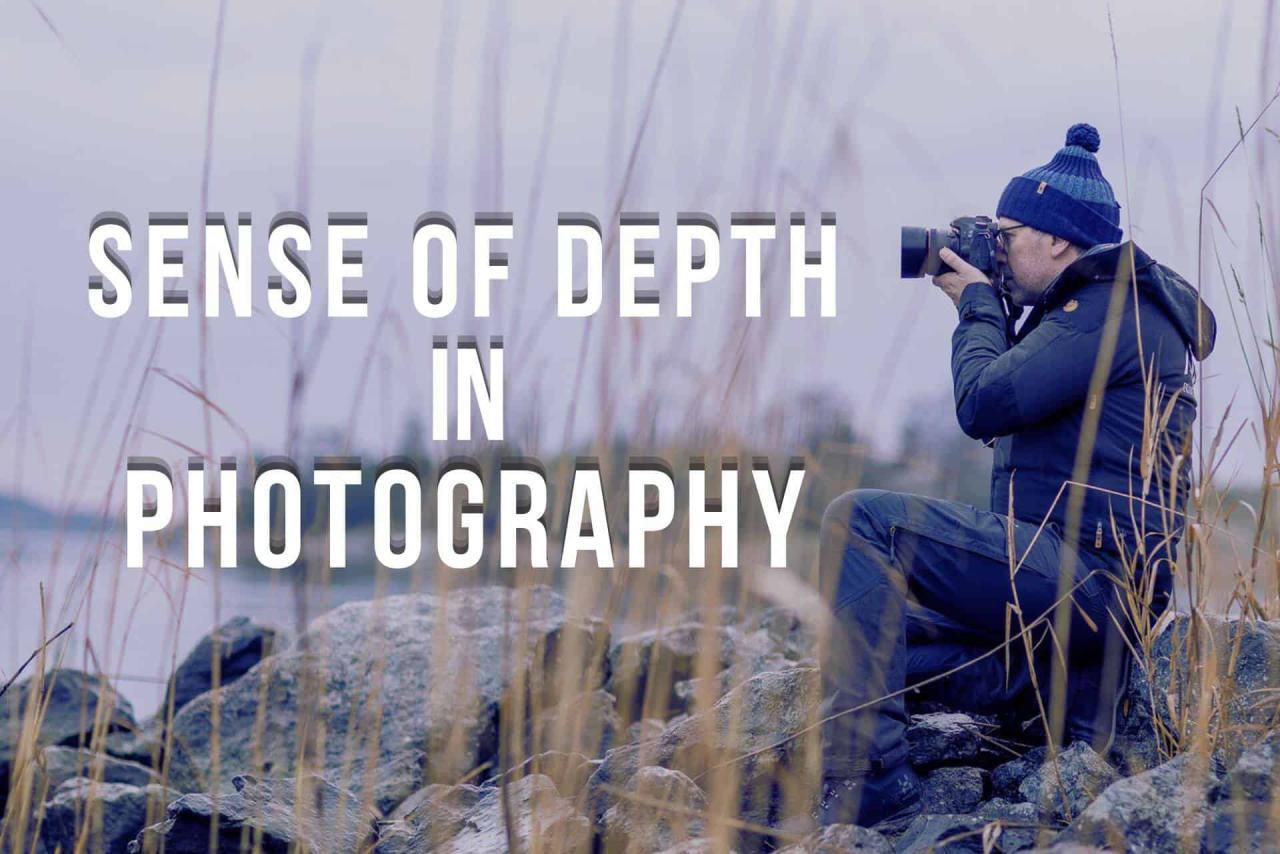
Creating a sense of depth in scenery is essential for enhancing the visual experience across various artistic mediums. The methods and techniques employed to achieve this effect can vary significantly depending on whether one is working with traditional painting, digital art, or photography. Each medium offers unique tools and approaches that can be leveraged to enhance depth perception and create more engaging compositions.
Methods for Applying Depth in Painting
In traditional painting, artists have various techniques at their disposal to create depth, utilizing elements such as color, perspective, and layering. These techniques work synergistically to provide a three-dimensional effect on a two-dimensional canvas.
- Atmospheric Perspective: This technique involves using lighter, less saturated colors for background elements, mimicking the effect of distance as the atmosphere scatters light. For instance, a mountain range may appear blue and faint compared to a vividly painted foreground.
- Overlapping Elements: Placing objects in front of each other can create a sense of spatial relationships, where the element in the foreground appears closer to the viewer. This is often employed in landscape paintings.
- Layering and Glazing: By applying multiple transparent layers of paint, artists can build up depth in color and texture, making parts of the scene appear closer or receding into the background.
Depth in Digital Art
Digital artists can utilize a variety of tools and techniques to convey depth, capitalizing on the flexibility of digital platforms. Techniques such as layering, blending, and the use of digital brushes can significantly enhance depth within a composition.
- Layer Management: Digital art allows artists to work in layers, which can be manipulated independently. By placing foreground elements on separate layers and adjusting their opacity or blending modes, artists can create a more dynamic sense of depth.
- Depth of Field Effects: Many digital art programs offer options to simulate camera effects such as blurring backgrounds to create depth of field, which directs the viewer’s focus to the subject in the foreground.
- 3D Modeling Techniques: Some digital artists incorporate 3D models and rendering techniques, allowing them to manipulate light and perspective effectively, creating realistic representations of depth.
Techniques for Photographers to Enhance Depth
Photography captures real-world scenes and presents unique challenges and methods for creating depth. Understanding how to utilize focus, composition, and lighting effectively can lead to more compelling images.
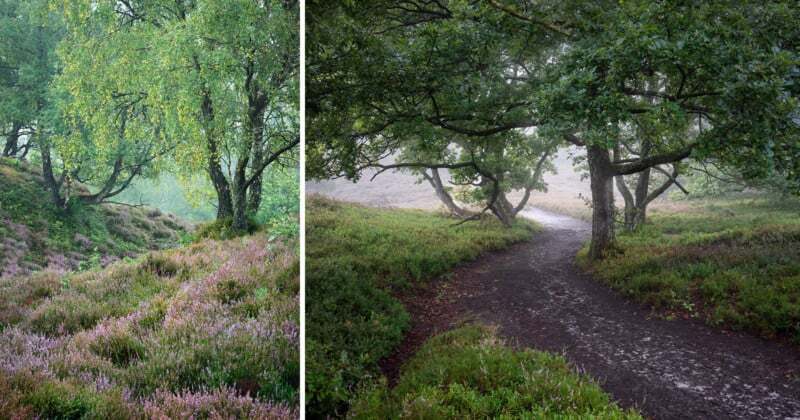
- Foreground Interest: Including elements in the foreground, such as rocks or plants, can lead the eye into the photograph and create a strong sense of depth.
- Leading Lines: Using natural lines, such as paths or rivers, can guide the viewer’s eye through the image, enhancing the feeling of depth.
- Layering in Composition: Arranging subjects at varying distances from the camera adds to the spatial complexity of the scene, making it feel more immersive.
“Depth in visual arts is not merely about scale but about creating a narrative through spatial relationships.”
Advanced Techniques for Depth
In the realm of creating depth within scenery, advanced techniques harness modern technology to enhance visual experiences. These innovations not only enrich the artistic expression but also provide viewers with immersive interactions that were previously unattainable. Through the use of virtual reality and digital manipulation, artists and creators can explore new dimensions in their work.Virtual reality (VR) has revolutionized the way depth is perceived and experienced.
By immersing users in a three-dimensional space, VR allows for an unparalleled interaction with depth, enabling individuals to walk through landscapes and experience depth as if they were physically present. This technology uses stereoscopic displays and spatial audio to replicate the human experience of depth perception, making it a powerful tool for artists seeking to convey complex environments.
Comparison of Traditional and Digital Techniques for Depth
Understanding the differences between traditional and digital methods for creating depth is essential for artists looking to expand their toolkit. Below is a comparison table that Artikels these techniques, highlighting the unique aspects and advantages of each approach.
| Aspect | Traditional Techniques | Digital Techniques |
|---|---|---|
| Medium | Paint, charcoal, pastels, and other physical materials | Digital software (e.g., Photoshop, Blender) and hardware |
| Layering | Physical layers of paint or materials | Digital layers with adjustable opacity and blending modes |
| Texture Creation | Brush strokes and physical texture | Textured brushes and image manipulation tools |
| Perspective Control | Manual adjustment through observation and practice | Grid and 3D modeling tools for precise perspective |
| Experimentation | Trial and error with materials | Non-destructive editing and instant modifications |
These traditional and digital techniques offer diverse approaches to crafting depth, each with its own strengths. The integration of technology not only enhances the ability to create depth but also broadens the scope of artistic expression, allowing for innovative creations that resonate with contemporary audiences.
As technology advances, the boundaries of artistic expression will continue to expand, inviting new interpretations of depth in scenery.
End of Discussion
In conclusion, the journey into creating a sense of depth in your scenery reveals the multifaceted nature of spatial perception in art and design. By synthesizing the discussed techniques—from compositional strategies to color and lighting—artists can craft immersive scenes that resonate with viewers on a deeper level. Embracing these principles not only enhances one’s artistic expression but also invites a richer engagement with the audience, ultimately transforming the way we perceive and appreciate scenic compositions.