How to Create a Fantasy Environment Concept sets the stage for this enthralling narrative, offering readers a glimpse into a story that is rich in detail and brimming with originality from the outset. The journey of crafting a fantasy environment involves understanding its foundational elements, from the unique characteristics that distinguish it from reality to the intricate world-building that breathes life into imagined realms.
By exploring the interplay between geography, culture, and the inhabitants of these worlds, one can create a captivating atmosphere that draws audiences into a vivid tapestry of imagination.
Understanding the Basics of Fantasy Environments
Fantasy environments transport audiences to realms vastly different from our own, characterized by their imaginative landscapes, mythical creatures, and magical elements. These worlds are crafted meticulously, often reflecting the ideals, beliefs, and cultures of the societies that create them. Understanding these environments is essential for creators looking to develop their own unique settings.Key characteristics of a fantasy environment often include magical elements, diverse species, altered laws of nature, and unique cultures.
These characteristics contribute to an immersive experience, allowing audiences to explore landscapes ranging from enchanted forests to sprawling kingdoms. The stark differences between fantasy settings and real-world environments lie primarily in the presence of magic, the existence of extraordinary creatures, and the freedom to defy the conventional laws of physics and nature.
Differences Between Fantasy and Real-World Settings
The contrast between fantasy environments and the real world is profound, encompassing a range of elements that define their uniqueness. Notably, the absence of real-world limitations in fantasy settings allows for the exploration of themes that may be impossible in reality.
Magic
Fantasy worlds often feature magical systems that govern their universes, which can influence everything from the natural environment to the characters’ abilities.
Mythical Creatures
Unlike the real world, where species are limited, fantasy environments can include dragons, elves, and other supernatural beings, enriching the narrative and aesthetic experience.
Alternate Histories and Futures
Many fantasy settings diverge from historical accuracy, presenting alternate versions of our world or entirely new timelines, which can convey complex themes and moral lessons.
Common Themes and Genres within Fantasy Worlds
Fantasy environments often embody specific themes and genres that serve to deepen the narrative and engage the audience. These themes can be categorized into several distinct genres, each with its own stylistic elements and storytelling approaches.
High Fantasy
This genre portrays epic tales set in entirely fictional worlds, where grand quests and battles against dark forces are prevalent. Notable examples include J.R.R. Tolkien’s “The Lord of the Rings”.
Urban Fantasy
Blending contemporary settings with magical elements, urban fantasy often explores the coexistence of the mundane and the mystical, as seen in works like Jim Butcher’s “The Dresden Files”.
Dark Fantasy
This genre combines elements of horror with fantasy, often exploring themes of morality and human nature amid a backdrop of supernatural events. Examples include “A Song of Ice and Fire” by George R.R. Martin.The incorporation of these themes not only enriches the narrative but also enhances the depth of the characters and the world-building, creating a captivating experience for the audience.
Fantasy environments serve as reflections of our deepest fears and greatest aspirations, illustrating the power of imagination in storytelling.
Elements of World-Building
Creating a vibrant fantasy environment requires a meticulous approach to world-building, which involves the careful assembly of various elements that form the foundation of the narrative. This process not only shapes the physical landscape but also enriches the cultural and social dimensions that breathe life into the world. Understanding these elements is essential for any creator aiming to construct a believable and immersive fantasy realm.Geography is a fundamental component of world-building that influences every aspect of a fantasy environment.
The physical landscape, including mountains, rivers, forests, and valleys, defines the boundaries of the world and determines how societies develop and interact. Each geographical feature shapes not only the climate and resources available but also the movement of people and trade, impacting cultural exchanges and societal structures significantly.
Geography in World-Building
Geography serves as the backbone of a fantasy world, dictating the interactions between different regions and fostering unique cultural identities. The impact of geography on world-building can be categorized into several key areas:
- Natural Resources: The availability of resources such as water, minerals, and fertile land directly affects the prosperity and advancement of civilizations. For example, a region rich in gold might encourage the development of mining towns, while a fertile valley could give rise to agricultural societies.
- Climate: Climate shapes the lifestyle and attire of inhabitants, influencing everything from architectural styles to agricultural practices. A desert climate may lead to community structures designed to conserve water, while a temperate climate may encourage open markets and outdoor gatherings.
- Trade Routes: The positioning of mountains, rivers, and seas can establish natural trade routes. Regions located along these routes often prosper due to trade and cultural exchange, while isolated areas may develop unique customs and self-sufficiency.
- Defense and Conflict: Geography can create natural barriers that serve as fortifications or contribute to conflict. For instance, a mountain range may separate two rival factions, while a river may serve as a strategic boundary for territorial disputes.
Cultures and Societies in Fantasy Environments
Cultures and societies play a pivotal role in shaping the narrative and atmosphere of a fantasy world. They bring depth and texture, influencing everything from traditions and social structure to language and art. The interplay between geography and culture is crucial, as the environment directly impacts the development of societal norms and values.The significance of culture can be observed through various elements:
- Traditions and Festivals: Cultural practices often arise from historical events or geographical features. For instance, a community near the sea may celebrate a maritime festival, honoring their reliance on the ocean for sustenance and trade.
- Social Hierarchies: The social structure within a society can be influenced by its environment. Agricultural societies may prioritize familial networks, while nomadic tribes might emphasize merit-based leadership due to their dynamic lifestyles.
- Art and Folklore: Artistic expressions often reflect the environment and historical experiences of societies. Stories passed down through generations serve as a means of preserving cultural heritage, showcasing the values and beliefs shaped by their surroundings.
- Language and Communication: The language spoken within a culture can reveal insights into their way of life, including local dialects that may evolve based on regional influences. A society that thrives in isolation may develop unique linguistic traits that differentiate them from neighboring cultures.
Designing Unique Creatures and Characters
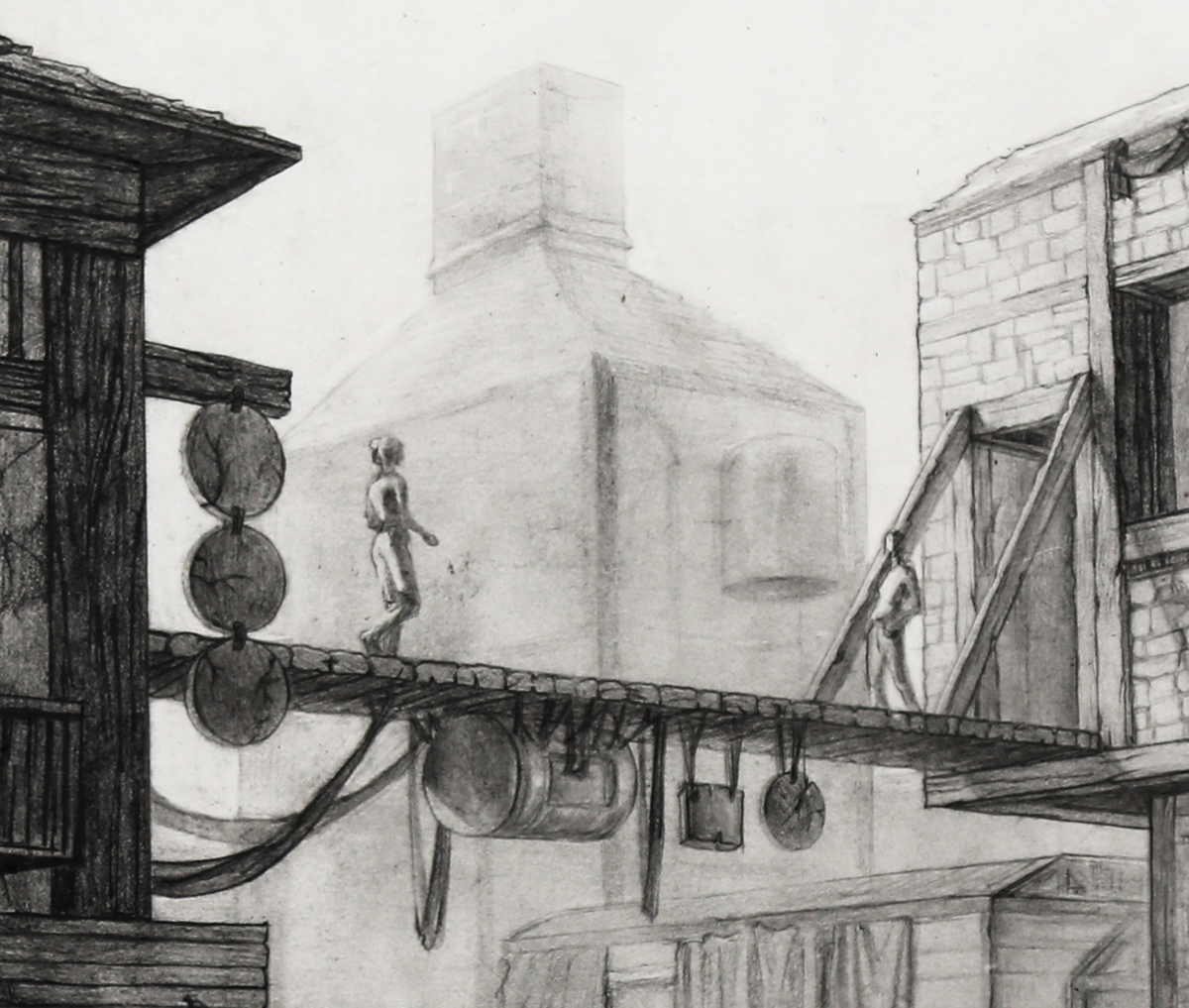
Creating a captivating fantasy environment requires not only an intricate setting but also the inhabitants that bring it to life. Unique creatures and characters serve as the backbone of your world, influencing its culture, mythology, and interactions. By thoughtfully designing these beings, you can enhance the richness of your narrative and provide readers with memorable experiences.When designing unique creatures, it is essential to consider their physical attributes, behaviors, and the roles they play within your fantasy landscape.
A well-rounded profile includes a creature’s habitat, diet, social structure, and any special abilities or traits that set them apart. By establishing these characteristics, you can create a more immersive environment that feels alive and interconnected.
Detailed Profiles for Original Fantasy Creatures
Creating detailed profiles for original fantasy creatures adds depth to your world-building. Each profile should encompass several key elements that define the creature’s essence. Here are the essential components to include:
- Name: Choose a name that reflects the creature’s nature or origin, enhancing its uniqueness.
- Appearance: Describe physical features, including size, shape, color, and distinguishing marks. For example, a creature may have iridescent scales, multiple limbs, or luminescent eyes.
- Habitat: Specify the environment where the creature thrives, such as forests, mountains, oceans, or deserts, and how it adapts to those conditions.
- Diet: Define the creature’s dietary habits, whether it is a herbivore, carnivore, or omnivore, and how it acquires food.
- Behavior: Detail social behavior, whether solitary or pack-oriented, and any notable habits, such as migration patterns or territorial instincts.
- Abilities: Highlight special powers or skills, such as flight, magic, or heightened senses, that make the creature extraordinary.
- Role in the Ecosystem: Discuss the creature’s impact on the environment, including its interactions with other species and its contribution to the food chain.
An example of a unique creature could be the “Glimmerwing,” a butterfly-like being with translucent wings that refract light into dazzling colors. It resides in enchanted forests, feeding on nectar from bioluminescent flowers, and plays a crucial role in pollinating plants, ensuring the ecosystem’s vitality.
Developing Character Backstories
Developing character backstories is essential in enriching the narrative and creating relatable characters. A well-crafted backstory not only provides context for a character’s motivations and behaviors but also enhances their integration into the fantasy environment. Here are some methods to create compelling character histories:
- Origins: Determine the character’s birthplace and cultural background, including any significant events that shaped their early life.
- Key Experiences: Identify crucial life events that impacted the character’s growth, such as loss, triumph, or personal challenges.
- Relationships: Explore the character’s relationships with family, friends, mentors, or adversaries, which can add complexity to their personality.
- Aspirations and Goals: Define the character’s ambitions and desires, which drive their actions within the story.
- Flaws and Strengths: Develop a balanced character by including both strengths that aid in their journey and flaws that create conflict and growth opportunities.
For instance, a character named Elara, a skilled mage, may come from a lineage of powerful sorcerers. However, after witnessing her family’s downfall due to a dark curse, she dedicates her life to mastering magic and seeks redemption, driven by the desire to reclaim her family’s honor.
The Role of Anthropomorphism in Character Design
Anthropomorphism plays a significant role in character design, allowing creators to imbue non-human entities with human traits, emotions, and motivations. This technique fosters a deeper connection between characters and the audience, making them more relatable and engaging. By attributing human-like characteristics to animals, mythical creatures, or even inanimate objects, you can evoke empathy and understanding in readers.
- Emotional Depth: Infusing characters with human emotions, such as joy, sadness, and fear, can resonate with audiences, allowing them to form emotional bonds.
- Relatable Motivations: Giving non-human characters desires and goals similar to human experiences can create relatable narratives and conflicts.
- Symbolism: Utilizing anthropomorphic characters can serve as powerful symbols for various themes, such as loyalty, courage, or the struggle between good and evil.
- Visual Appeal: Creatures designed with anthropomorphic features can capture attention through their unique aesthetics, enhancing their memorability.
An example of anthropomorphism is seen in the character of “Fable,” a wise owl who serves as a mentor to young adventurers. Fable exhibits human-like wisdom, empathy, and even quirky humor, making him a beloved figure within the fantasy realm.Through careful consideration of these elements, designing unique creatures and characters can significantly enhance the vibrancy and depth of your fantasy environment, inviting readers to explore and connect with your imaginative world.
Crafting Magical Systems and Rules
Creating a well-defined magic system is essential for any fantasy environment, as it shapes the interaction between characters, the environment, and the narrative. A coherent magic system can enhance the realism of your world and create a sense of wonder, while also setting clear boundaries that maintain the integrity of your story. The following sections delve into the fundamentals of crafting a magic system, various types of magic, and the implications of magic use within a fantasy setting.
Fundamentals of Creating a Magic System
A robust magic system should include a clear set of rules that govern how magic is accessed, utilized, and the consequences of its use. Establishing these fundamentals ensures consistency and enhances the narrative. Key elements to consider include:
- Source of Magic: Determine where the magic originates. Is it derived from nature, ancient artifacts, divine entities, or personal energy?
- Limitations: Every magic system should have restrictions to prevent it from becoming an all-powerful tool. Consider factors such as the availability of magical resources or the physical toll on the caster.
- Types of Magic: Differentiate between various forms of magic, such as elemental magic, necromancy, or healing arts, each with its unique rules and cultural significance.
- Cultural Impact: Explore how magic influences society, politics, and daily life. This includes the status of magic users, societal taboos, and the moral implications of using magic.
Examples of Different Types of Magic
Diverse magic systems can profoundly influence the environment and its inhabitants. A few examples of distinct types of magic and their implications include:
- Elemental Magic: Mastery over elements such as fire, water, earth, and air can lead to dramatic environmental changes, like creating floods or droughts, which can reshape ecosystems.
- Illusion Magic: The ability to create illusions can alter perception, leading to mistrust and paranoia among characters, impacting social dynamics.
- Necromancy: Raising the dead can disturb the natural order, leading to consequences such as an imbalance in life and death or societal fear and isolation of necromancers.
- Alchemy: Transforming materials can alter the economy and technology of a society, creating advancements but also potential risks like explosive reactions or environmental degradation.
Consequences of Using Magic
The utilization of magic often carries significant consequences that can affect the user, the environment, and societal norms. Understanding these repercussions is crucial for creating a believable magic system. Potential consequences may include:
- Physical Toll: Extensive use of magic may lead to physical exhaustion, illness, or even death for the user.
- Environmental Damage: Magic may alter landscapes, create unnatural phenomena, and disrupt ecosystems, leading to long-term ecological consequences.
- Social Stigma: Certain types of magic, like necromancy, might lead to societal exclusion or persecution of users, affecting their ability to integrate into communities.
- Curses and Backlash: Misuse of magic may result in curses affecting the caster and their surroundings, creating a cycle of chaos and retribution.
- Power Corruption: The temptation to misuse magic for personal gain can lead to moral decline and exploitation of weaker individuals or communities.
Integrating Technology and Magic
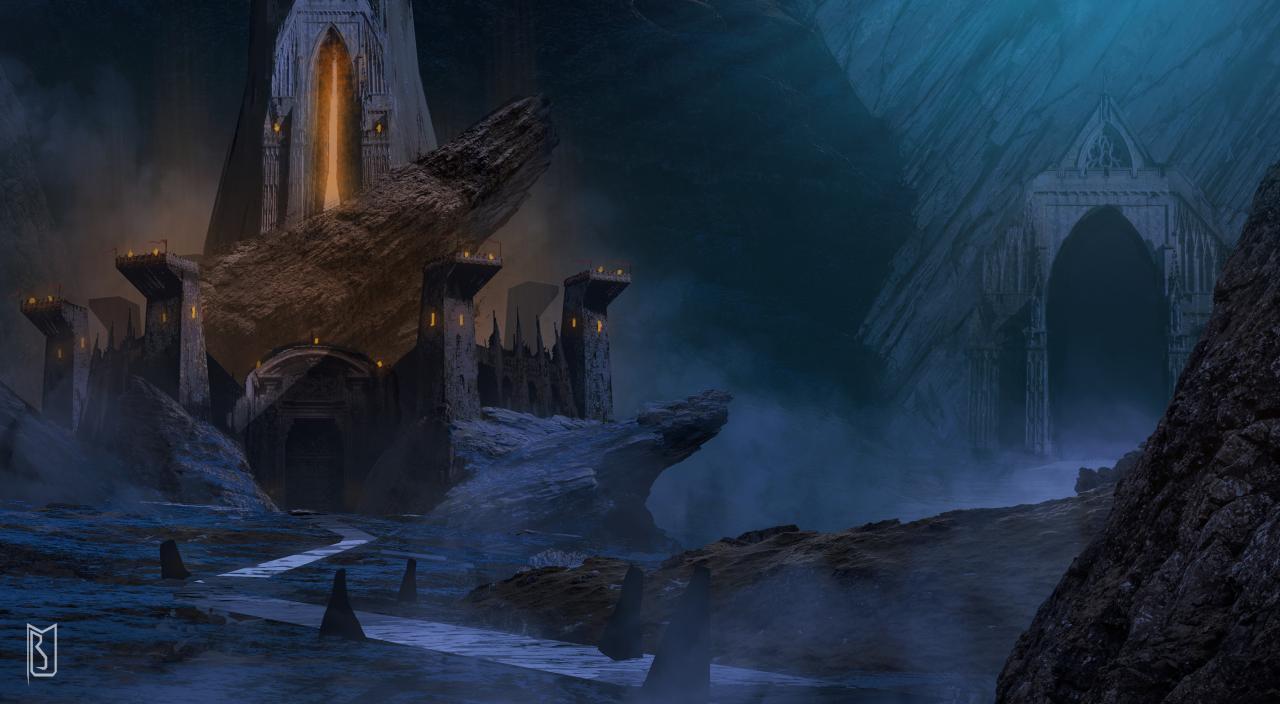
In many fantasy settings, the interplay between technology and magic can significantly enrich the narrative and the world itself. By examining how these elements can complement or conflict with one another, creators can develop immersive environments where the boundaries of reality and fantasy blur. The integration of technology and magic opens up avenues for complex storytelling, character development, and unique plot dynamics.The distinction between traditional technology and magical innovations lies in their fundamental principles and applications.
Traditional technology relies on scientific principles, engineering, and mechanics, while magical innovations stem from supernatural elements, often rooted in cultural lore and myth. This dichotomy can present opportunities for inventive storytelling, wherein characters may face conflicts arising from their reliance on either magic or technology, or even navigate the complexities of a world where both are essential for survival.
Comparison of Traditional Technology with Magical Innovations
In a fantasy setting, the comparison between traditional technology and magical innovations reveals a spectrum of possibilities. Each has its strengths and weaknesses, which can be explored through various scenarios. The implications of such comparisons can significantly influence the narrative landscape.
Efficiency and Limitations
Traditional technology, like steam engines or mechanical devices, often requires tangible resources and has physical limitations. In contrast, magic can offer instantaneous results but may have restrictions based on the user’s skill or the availability of magical resources. For example, a wizard may conjure fire with a spell, while an engineer may need to build a furnace.
Accessibility and Expertise
Technology may be more widely accessible, as it can be learned and reproduced, while magic often requires years of study and innate talent. This can lead to societal divides where those who possess magical abilities hold power over those who rely solely on technology.
Sustainability and Environmental Impact
Traditional technology can raise concerns about depletion of natural resources, while magical practices may emphasize harmony with nature. For instance, a civilization that harnesses magic to grow crops may face less environmental strain compared to one that relies on industrial agriculture.
Balance Between Magic and Technology in Storytelling
Achieving a balance between magic and technology is essential for creating a cohesive and engaging narrative. This balance can affect character motivations, plot dynamics, and the overall thematic elements of the story. A few key considerations for maintaining this balance include:
Character Development
Characters may represent the spectrum of reliance on magic or technology. For instance, a character who is technologically savvy might envy a mage’s abilities, leading to tension or collaboration. This dynamic can create depth and relatability within character interactions.
Conflict Resolution
The integration of technology and magic can lead to unique conflict resolutions. For example, a magical creature may be subdued through technological means, or a technological failure can be rectified by a spell. This interplay allows for inventive story arcs and unexpected resolutions.
Cultural Implications
The coexistence of magic and technology can shape the cultural landscape of the fantasy world. Societies may form around the dominance of one over the other, leading to rich world-building opportunities. A city that thrives on technological advancement might view magic with skepticism, while a kingdom ruled by sorcery might shun technological developments.
Scenarios Where Technology and Magic Coexist and Interact
Designing scenarios where technology and magic coexist can create captivating narratives and environments. These scenarios should highlight both the synergy and conflict that arises from their interaction.
Magical Transportation Systems
Imagine a world where trains powered by steam also utilize magical crystals to enhance speed and safety. Passengers could experience a blend of technological comfort and magical wonder, leading to intriguing adventures during travel.
Hybrid Creatures
Consider a scenario where engineers and mages collaborate to create hybrid creatures, such as a mechanical dragon that can breathe fire. This combination enhances the narrative by exploring the ethical implications and challenges of merging magic with technology.
Crisis Management
In a storyline where a magical disaster threatens the realm, technology could play a vital role in containing or reversing the effects. Engineers might develop devices that can siphon magical energy while wizards work to mend the rift in reality, showcasing teamwork and the necessity of both disciplines.These scenarios not only enrich the plot but also encourage readers to ponder the relationships between technology, magic, and the implications of their intersection in a fantasy world.
Creating Immersive Atmospheres
In the realm of fantasy environments, the creation of immersive atmospheres is essential for engaging the audience’s senses and transporting them into an imaginative world. This involves the careful integration of sensory experiences such as sight, sound, and even smell, crafting a rich tapestry that captivates the imagination. The atmosphere not only enhances the narrative but also influences how characters and events are perceived.
Building Sensory Experiences
An immersive atmosphere is built through a combination of visual, auditory, and olfactory elements that resonate with the audience. Employing vivid descriptions and symbolic imagery can evoke emotions and stimulate the imagination. Here are key techniques used in creating such sensory experiences:
- Descriptive Language: Utilizing evocative adjectives and metaphors to paint a picture in the reader’s mind. For example, describing a forest with “trees towering like ancient sentinels, their leaves whispering secrets in the gentle breeze” creates a specific ambiance.
- Ambient Sounds: Incorporating sounds such as rustling leaves, chirping birds, or distant thunder can enrich the setting. These auditory cues enhance realism and make the environment feel alive.
- Environmental Textures: Describing the feel of surfaces, such as the cool dampness of a cave or the rough bark of a tree, helps the audience visualize and almost physically interact with the environment.
- Climate and Weather: Weather conditions can dramatically set the mood. For example, a stormy night might evoke tension and danger, while a sunny day can create a sense of joy and peace.
Influence of Weather and Climate on Mood
Weather and climate play a crucial role in shaping the emotional tone of a fantasy setting. The interplay between atmospheric conditions and the narrative can evoke powerful feelings. For instance, a desolate, arid wasteland can convey hopelessness and despair, while a vibrant, lush landscape can inspire hope and renewal. Here are some examples of how different weather conditions affect mood:
- Rain: Often symbolizes sadness or cleansing. A sudden downpour during a pivotal moment can heighten emotional stakes.
- Fog: Creates mystery and uncertainty, often used to obscure danger or hidden truths in a story.
- Snow: Can represent purity or isolation, affecting character dynamics and journey progress.
- Sunshine: Typically symbolizes happiness and warmth, setting a positive tone for gatherings and celebrations.
Integrating Sounds and Visuals
Integrating soundscapes and visuals effectively enhances the fantasy atmosphere. These elements should work synergistically to create a cohesive backdrop. Here are methods to achieve this integration:
- Layering Sounds: Use a mix of natural and fantastical sounds to create depth. For instance, combining the sound of flowing water with the distant call of a mythical creature can enrich the listening experience.
- Visual Effects: Describing vivid scenes with striking colors and unusual phenomena—like skies filled with swirling galaxies or trees that glow at night—can create unforgettable images in the reader’s mind.
- Sound Cues in Narratives: Using specific sounds to signal important events, such as the tolling of a distant bell for a call to arms or the sudden silence before a battle, can enhance dramatic tension.
- Symbolic Imagery: Employing recurring visual motifs that resonate with the themes of your narrative, such as the presence of a phoenix in a land of rebirth, can create a deeper connection with the audience.
Developing Histories and Myths
In the creation of a fantasy environment, the development of histories and myths serves as a crucial foundation for world-building. The past experiences, conflicts, and triumphs of a world significantly shape its present and influence the narratives that arise within it. These elements not only enrich the environment but also provide depth to the characters and their motivations, creating a more immersive experience for the audience.The importance of history in shaping the present of a fantasy world cannot be overstated.
It provides context for current events, informs the relationships between different factions, and offers insights into the cultural practices and belief systems of the inhabitants. A well-developed history can serve as a backdrop against which stories unfold, lending authenticity and relatability to the fantastical elements of the setting.
Creating Legends and Myths
Crafting legends and myths is essential for adding depth and intrigue to a fantasy environment. These narratives can explain natural phenomena, provide moral lessons, or celebrate heroic deeds from the past. To formulate compelling legends and myths, consider the following strategies:
Cultural Reflection
Develop myths that reflect the values and beliefs of the culture within your fantasy world. For instance, a society that values bravery might have legends featuring courageous heroes who overcame insurmountable odds.
Natural Phenomena
Create stories that explain unique geographical features or natural events. A river that flows in reverse might be attributed to the wrath of a forgotten deity.
Historical Events
Integrate actual historical events into the lore of the world. A great war or a significant discovery can morph into a mythic tale over generations. Illustrating these points, one might envision a mythical creature that guards a sacred forest, believed to be the last remnant of an ancient civilization’s pact with nature. Such legends not only define the creature’s role in the ecosystem but also influence the actions and beliefs of the surrounding inhabitants.
Timeline of Significant Historical Events
Establishing a timeline of key historical events can be instrumental in providing structure and clarity to the fantasy world. This timeline serves as a reference point, allowing for the integration of various plots and characters. Below is an example of how to organize significant events:
Year 0
The Great Sundering – A cataclysmic event that split the continent into several islands, leading to the rise of multiple civilizations.
Year 150
The Founding of Eldoria – The establishment of a powerful city-state known for its scholars and mages, becoming a center of learning and magic.
Year 300
The War of Shadows – An extensive conflict between light and dark forces that results in the sealing of a dark sorcerer beneath the earth.
Year 500
The Age of Peace – Following the War of Shadows, a period of prosperity and cultural exchange blossoms among the nations.This timeline not only highlights pivotal moments in the world’s history but also provides fertile ground for character development and plot progression. By intertwining characters’ backgrounds with these events, the narrative gains complexity and resonance, allowing readers to engage more fully with the fantasy environment.
Using Visual Aids for Inspiration
In the realm of fantasy environment creation, visual aids serve as essential tools that can spark imagination and bring abstract ideas to life. Illustrations and concept art are pivotal in crafting a cohesive and immersive world, providing visual stimuli that can inform and influence the design process. Through careful observation and thoughtful integration of these elements, creators can enhance their storytelling and world-building efforts.Illustrations and concept art play a crucial role in establishing the visual language of a fantasy setting.
They allow creators to communicate ideas effectively, offering a tangible representation of concepts that might otherwise remain abstract. Conceptual artists often use a variety of styles and techniques to convey different moods and themes, which can significantly impact how a fantasy environment is perceived. By studying these artworks, creators can identify key visual elements that resonate with their intended atmosphere.
Importance of Visual Elements in Setting
Describing visual elements that inspire a fantasy setting involves attention to detail and an understanding of how various components contribute to the overall narrative. The following aspects are essential when considering visual elements for a fantasy environment:
- Color Palette: The choice of colors can evoke specific emotions and set the tone for a scene. For example, vibrant greens and blues may suggest a lush, thriving environment, while muted grays and browns could indicate a desolate, abandoned area.
- Architecture: The design of structures, whether they are castles, villages, or enchanted forests, reflects the culture and history of the inhabitants. Unique architectural styles can hint at technological advancement or magical influences.
- Natural Landscapes: The inclusion of diverse terrains, such as mountains, rivers, or forests, adds depth and variety. Each landscape can serve as a backdrop for specific narratives or adventures.
- Lighting: The way light interacts with the environment can create dramatic effects. For instance, soft, diffused light may suggest a peaceful scene, while harsh shadows could indicate danger or mystery.
- Flora and Fauna: Unique plant life and creatures can enhance the fantasy element of a setting. Describing unusual characteristics or behaviors can make the environment feel alive and dynamic.
Utilizing mood boards can be particularly effective in conceptualizing fantasy environments. These visual collages compile images, textures, colors, and concepts that resonate with the creator’s vision, serving as a reference point throughout the design process. A well-curated mood board can help maintain consistency and inspire creativity.
“Visual aids amplify the creative process by providing a reference point that helps align ideas and themes.”
By including various materials—such as illustrations, photographs, and textures—creators can evoke emotions and themes that guide their storytelling. A mood board not only serves as a source of inspiration but also helps to clarify the direction of the project, ensuring that all elements of the fantasy environment align harmoniously with the overarching narrative. The thoughtful integration of these visual aids ultimately enriches the world-building experience, leading to a more immersive and engaging fantasy setting.
Engaging with Your Audience
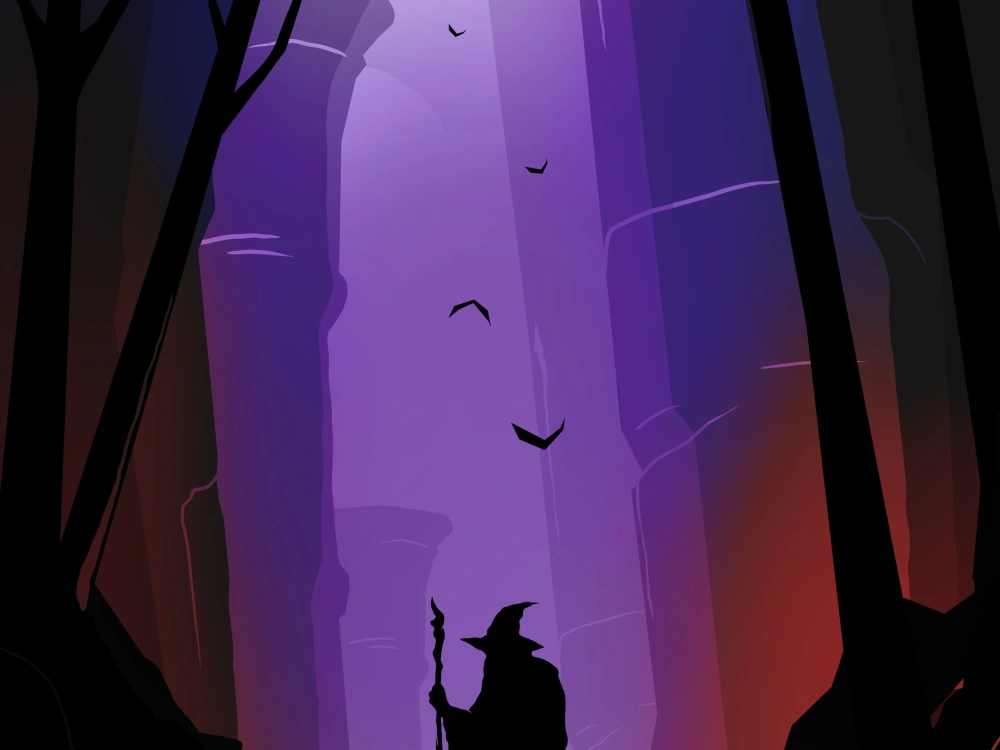
Effective engagement with your audience is crucial in bringing your fantasy environment concepts to life. By utilizing strategic communication and interactive experiences, creators can ensure that their audiences feel connected and invested in the fantastical worlds being presented. This engagement not only enhances the audience’s experience but also fosters a collaborative atmosphere where feedback and creativity can flourish.One effective strategy for presenting fantasy concepts is to utilize storytelling techniques that resonate with your audience.
Storytelling can captivate listeners by creating vivid imagery and emotional connections. When showcasing your fantasy world, consider the following methods to enhance audience engagement:
Strategies for Presenting Fantasy Concepts
Engaging presentations should embody clarity, creativity, and enthusiasm. Here are some recommended strategies for effectively sharing your fantasy environment ideas:
- Visual Storytelling: Use illustrations, concept art, and maps to visually represent your world. These visuals can help your audience better understand the landscape and its unique features.
- Character Interactions: Introduce key characters from your fantasy world. Role-play or narrative techniques can bring these characters to life, allowing your audience to connect with the story on a personal level.
- Live Demonstrations: If possible, conduct live demonstrations where you showcase elements of your world, such as magic systems or creature behaviors, to immerse your audience in the experience.
- Creating a Narrative Arc: Structure your presentation around a compelling narrative, providing a beginning, middle, and end. This keeps your audience engaged and invested in the unfolding story.
Gathering feedback is essential to refining your fantasy environment ideas. Feedback not only helps in improving the concept but also involves the audience in the creative process.
Methods for Gathering Feedback
Collecting constructive feedback can significantly enhance your fantasy world-building process. Here are some effective methods to gather insights and perspectives:
- Surveys and Questionnaires: Distributing surveys after presentations allows you to gather specific feedback regarding what resonated with your audience and what could be improved.
- Focus Groups: Organizing small focus group discussions can provide in-depth feedback and ideas from a diverse group of individuals, enabling a richer array of perspectives.
- Online Platforms: Utilize social media or dedicated forums to share concepts and solicit feedback. Engaging with a broader audience can lead to innovative ideas and insights.
- Interactive Workshops: Hosting workshops where participants can engage with your fantasy environment actively can yield valuable feedback and ideas based on their experiences.
Creating interactive experiences is a powerful way to immerse your audience in your fantasy setting, fostering a deeper connection and enjoyment.
Tips for Creating Interactive Experiences
Interactive experiences can significantly heighten engagement and understanding of your fantasy world. Here are some tips to create memorable interactions:
- Immersive Role-Playing: Facilitate role-playing sessions where audiences can take on the roles of characters within your world, allowing them to experience the narrative firsthand.
- Hands-On Activities: Integrate hands-on activities, such as crafting objects or solving puzzles related to your fantasy environment, to encourage active participation.
- Augmented Reality Experiences: Consider incorporating augmented reality elements that allow audiences to explore your world interactively through their devices, enhancing the immersion.
- Community Events: Organize events where fans can gather, share their interpretations, and participate in discussions about your fantasy world, creating a sense of community and investment.
Final Wrap-Up
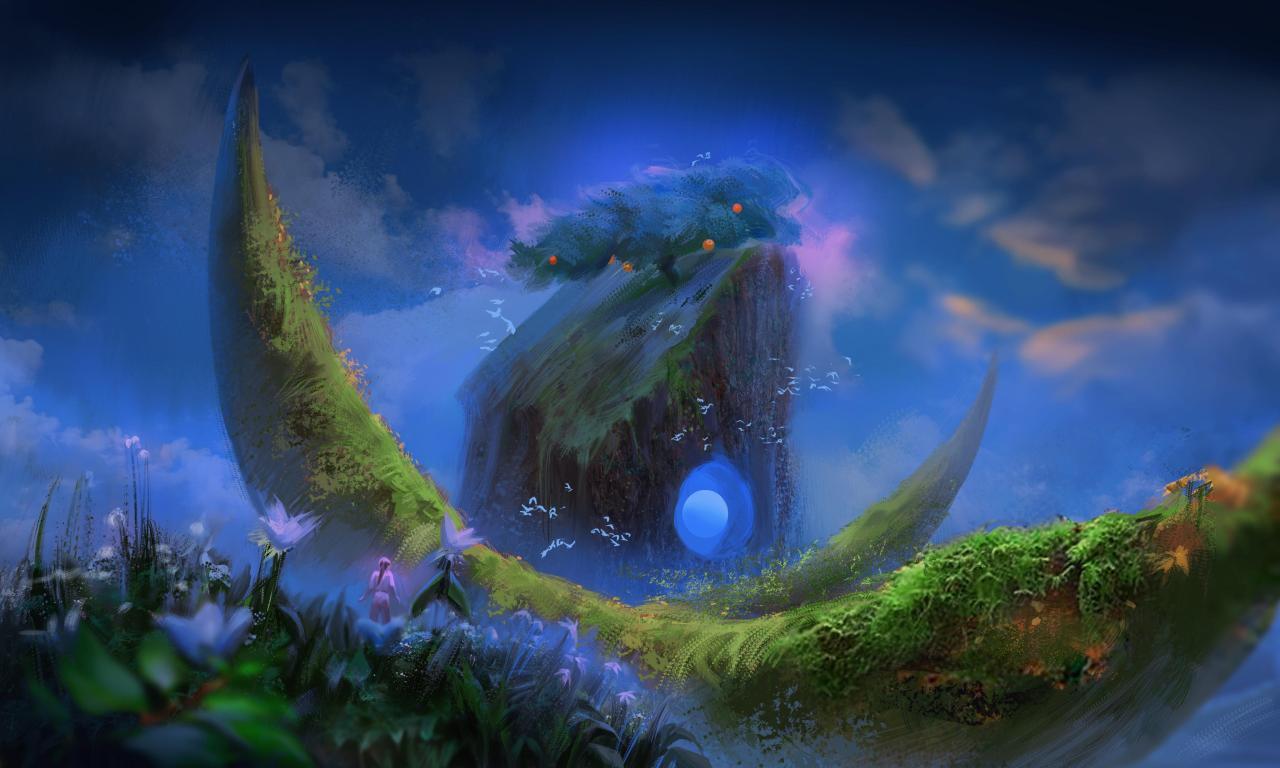
In conclusion, creating a fantasy environment is a multifaceted endeavor that requires careful consideration of various elements, including magic, technology, and history. By utilizing visual aids for inspiration and engaging effectively with an audience, creators can develop an immersive experience that resonates deeply. Ultimately, the art of crafting a fantasy setting not only enriches storytelling but also invites others to explore the limitless boundaries of creativity.