How to Draw Dynamic Poses for Your Characters establishes a foundation for artists seeking to enhance their skills in creating lively and captivating character expressions. This guide delves into the essence of dynamic poses, emphasizing their significance in character design while equipping readers with the knowledge to avoid common pitfalls. By examining human anatomy, tools, and techniques, artists can bring their characters to life through movement and emotion, thereby enriching their storytelling capabilities.
The exploration of dynamic posing will cover essential aspects such as anatomy’s influence on movement, effective drawing techniques, the role of composition and perspective, and how to convey emotion through body language. Each section aims to provide valuable insights and practical tips to elevate your drawing experience and foster a greater understanding of dynamic character representation.
Understanding Dynamic Poses
Dynamic poses are essential in character design, providing a sense of movement, emotion, and narrative depth. These poses create an engaging visual experience by allowing characters to interact with their environment in a believable manner. Recognizing the significance of dynamic poses is crucial for artists aiming to convey action and personality effectively in their illustrations.Dynamic poses are characterized by various elements that contribute to their aesthetic appeal and emotional impact.
A pose is considered dynamic when it conveys a clear sense of motion, energy, and intention. Key characteristics include strong lines of action, balanced weight distribution, and exaggerated forms that enhance the feeling of movement. Additionally, the use of foreshortening, perspective, and varied body angles can further contribute to the dynamism of a pose.
Characteristics of Dynamic Poses
To create compelling dynamic poses, certain characteristics must be taken into account. Understanding these elements can aid artists in crafting more engaging and lifelike representations of their characters. The following points highlight the essential traits of dynamic poses:
- Line of Action: A clear line of action guides the viewer’s eye and conveys the overall movement within the pose. It serves as the backbone of the character’s stance, establishing fluidity and direction.
- Weight Distribution: Proper balance of weight in a pose helps in depicting realism. A character should not appear awkward; instead, the distribution of weight should reflect their actions and surroundings.
- Exaggeration: Emphasizing certain features or movements can enhance the impact of a pose. Exaggeration helps to capture the emotion and energy of the moment, making the character’s actions more dynamic.
- Foreshortening: This technique involves adjusting the proportions of body parts to create the illusion of depth and perspective, making the pose appear more three-dimensional and lifelike.
- Varied Angles: Utilizing different angles in character positioning adds visual interest and can emphasize the action or emotion being portrayed.
Common Mistakes to Avoid
In the pursuit of creating dynamic poses, artists often fall into specific pitfalls that hinder the effectiveness of their designs. Recognizing these common mistakes can help in refining the artistic process and improving overall outcomes. The following points Artikel crucial errors to be mindful of:
- Rigid Poses: Avoid creating poses that appear stiff or unnatural. Incorporate fluidity and motion to breathe life into the character’s stance.
- Lack of Clear Direction: Ensure that the pose has a defined direction or purpose, which helps in maintaining focus and engagement for the viewer.
- Poor Weight Distribution: Improperly balanced poses can lead to unnatural stances that may confuse the viewer about the character’s actions.
- Ignoring Body Language: Body language plays a vital role in conveying emotion and intention. Neglecting this aspect can result in poses that lack depth and connection.
- Over-Complexity: While dynamic poses can be intricate, overly complicated designs can detract from clarity. Aim for a balance between detail and readability.
“Capturing the essence of movement is fundamental to portraying characters that resonate with the audience.”
Anatomy in Dynamic Posing

Understanding the intricacies of human anatomy is vital for artists aiming to create dynamic poses that resonate with realism and movement. A solid grasp of anatomical structure not only aids in depicting characters with precision but also enhances the overall flow and expressiveness of the artwork. By examining muscle groups and the skeletal framework, artists can achieve a level of dynamism that captivates the viewer’s attention.The human body operates through a complex interplay of muscles and bones, which dictate movement and posture.
Each muscle group contributes to the overall anatomy, allowing for varied expressions of action and emotion. To effectively capture dynamic poses, it is essential to analyze these elements, focusing on how they work together to create fluidity and balance in the character’s stance.
Key Muscle Groups Contributing to Movement
Muscles play a crucial role in facilitating movement, and understanding their functions is paramount for artists. The following key muscle groups are fundamental in generating dynamic poses:
- Deltoids: Located in the shoulder region, these muscles are essential for arm movements, particularly in raising and rotating the arm. Illustrating the deltoids can add a sense of action and dynamism to poses.
- Quadriceps: The muscles at the front of the thigh are crucial for leg movements such as kicking or jumping. Highlighting the quadriceps in a dynamic pose can enhance the sense of power and propulsion.
- Hamstrings: Positioned at the back of the thigh, these muscles are key to actions such as running and bending. Proper representation of the hamstrings can provide balance and realism to poses.
- Abdominals: The core muscles support the spine and are vital for maintaining balance during movement. Accentuating the abdominals in poses can convey strength and stability.
The Role of Skeletal Structure in Posing
The skeletal structure serves as the framework for the body, influencing how poses are constructed and perceived. Knowledge of the skeletal system is fundamental for artists wishing to create believable and anatomically correct representations.The following aspects of the skeletal structure are critical in creating dynamic poses:
- Joint Mobility: Joints allow for a range of motion that is essential for dynamic poses. Understanding how different joints—such as the elbow, knee, and shoulder—function can help artists depict movement accurately.
- Bone Length and Proportions: The proportions of bones significantly affect the character’s overall appearance and posture. For example, longer limbs can suggest speed, while shorter limbs can convey stability.
- Spinal Alignment: The spine is central to maintaining balance and posture. Artists should consider the natural curvature of the spine when creating poses to ensure they appear authentic and fluid.
- Weight Distribution: The skeletal structure determines how weight is distributed across the body. Understanding this distribution is essential for creating poses that depict motion and balance effectively.
By analyzing both muscle groups and skeletal structures, artists can infuse their characters with a sense of movement and life, enhancing their work’s dynamism and emotional impact.
Tools and Techniques for Drawing
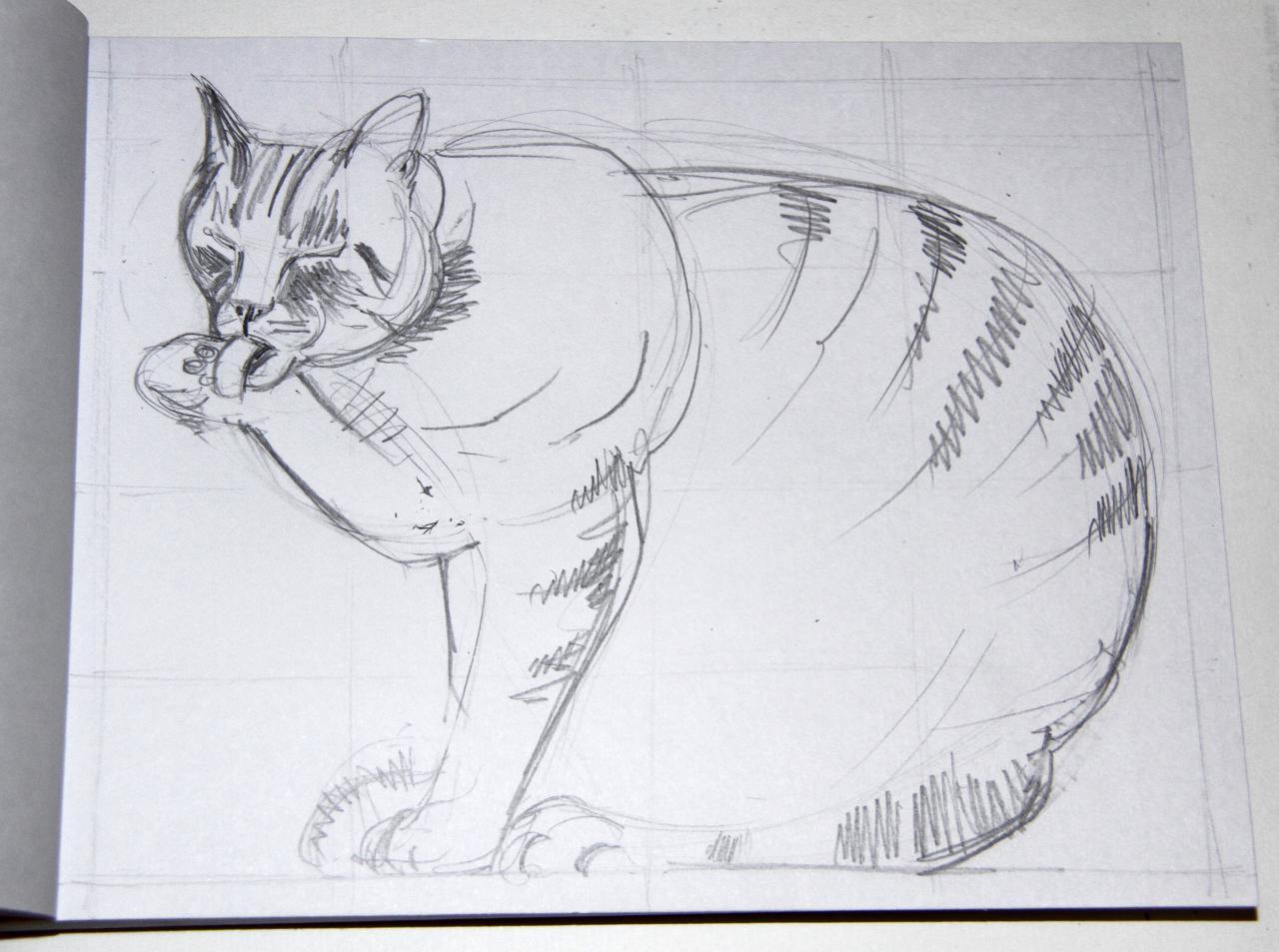
Understanding the tools and techniques available for drawing dynamic poses is crucial for artists looking to improve their skills. The right tools can enhance the creative process, while effective techniques can lead to more expressive and lifelike renditions of characters in motion. This section will explore essential tools for sketching dynamic poses and the techniques that can be employed to achieve dynamic results.
Essential Tools for Sketching Dynamic Poses
Selecting the right tools is foundational for artists working on dynamic poses. Various tools can aid in creating detailed and fluid sketches, both traditionally and digitally. Below are some essential instruments for artists.
- Pencils: A range of graphite pencils (from H to B grades) allows for different levels of shading and detail. Soft pencils (B grades) are ideal for dynamic sketches because they can create fluid lines and shading quickly.
- Erasers: Kneaded and vinyl erasers assist in correcting mistakes and refining sketches without damaging the paper.
- Sketchbooks: High-quality drawing paper with a smooth texture can enhance the drawing experience, allowing for clean lines and details.
- Digital Tablets: Devices like Wacom or iPad Pro provide a versatile platform for drawing, with the ability to undo mistakes easily and utilize layers for complex poses.
- Software: Programs like Adobe Photoshop, Procreate, and Clip Studio Paint offer tools specifically designed for artists, including brushes and perspectives grids that help in drawing dynamic poses.
Gesture Drawing Techniques
Gesture drawing is a vital technique that captures the essence of movement and form in a short amount of time. This method focuses on the overall action of a subject, rather than the details, providing a foundation for more detailed work later. Implementing gesture drawing can significantly enhance an artist’s ability to depict dynamic poses.The primary goals of gesture drawing include:
- Capturing the movement of the pose quickly, typically within 30 seconds to 2 minutes.
- Focusing on the flow and energy of the pose rather than accuracy.
To apply gesture drawing effectively:
- Start with simple shapes to Artikel the basic form of the character.
- Use sweeping lines to suggest movement and direction, creating a sense of dynamism.
- Practice regularly from live models or online platforms offering timed poses to improve speed and accuracy.
Using Reference Images Effectively
Reference images are invaluable for artists aiming to create realistic dynamic poses. Employing references can enhance understanding of anatomy, movement, and proportions. However, the use of reference images must be strategic and purposeful.To utilize reference images effectively:
- Select high-quality images that clearly depict the desired pose, ensuring multiple angles are available to illustrate depth and motion.
- Analyze the image before starting your drawing. Take note of the weight distribution, body angles, and how limbs interact with one another.
- Consider using multiple references for a single pose, allowing for a better understanding of how a character’s body moves in space.
- Utilize speed drawing techniques in conjunction with references to improve your ability to capture dynamic poses quickly.
“Reference images serve as a guide to enhance creativity; they should inspire rather than restrict your artistic vision.”
Composition and Perspective
The use of composition and perspective in drawing dynamic poses significantly enhances visual storytelling. These elements not only guide the viewer’s eye but also evoke emotions and highlight the action within a scene. By thoughtfully arranging the elements in your artwork, you can create a more compelling narrative and a sense of urgency that complements the dynamic nature of your characters’ movements.Composition plays a pivotal role in how dynamic poses are perceived.
A well-composed piece can draw attention to the focal point, whether it is the character in motion or the environment surrounding them. The arrangement of elements can also establish a sense of balance or tension, all of which impact how the viewer interprets movement. To effectively compose dynamic poses, consider the following guidelines.
Guidelines for Establishing Engaging Perspective
Creating a captivating perspective involves a deliberate approach to angle, viewpoint, and spatial relationships. Below are essential guidelines that can help artists enhance their compositions:
- Utilize the Rule of Thirds: Divide your canvas into a grid of nine equal segments. Position key elements along these lines or at their intersections to create a more balanced and engaging composition.
- Experiment with Angles: Different angles can significantly alter the perception of movement. A low-angle shot may exaggerate the height and power of a character, while a high-angle shot can evoke a sense of vulnerability.
- Incorporate Leading Lines: Use natural lines within the composition, such as roads or beams of light, to guide the viewer’s eye toward the action, enhancing the sense of movement.
- Frame the Action: Use foreground elements to frame your character in motion. This technique provides depth and draws attention to the dynamic pose.
- Varying Depth of Field: Consider the depth of field in your artwork. A blurred background can create a sense of speed and focus attention on the character, while a detailed background enhances the context of the scene.
Examples of how angle and viewpoint can alter the perception of movement are abundant in both animation and illustration. For instance, in action sequences, a dramatic low angle can make a character appear larger-than-life, suggesting power and dominance. Conversely, a high-angle view can create a feeling of insignificance, particularly when depicting a character in flight or evasion. In another instance, consider the use of perspective in a dance pose.
A slightly tilted viewpoint can convey the fluidity and grace of movement, while a direct side profile might emphasize the character’s form and balance. The dynamic interaction between characters and their environment can also be highlighted through strategic placement and angle selection, resulting in an engaging visual experience that resonates with viewers.
Motion and Action Lines
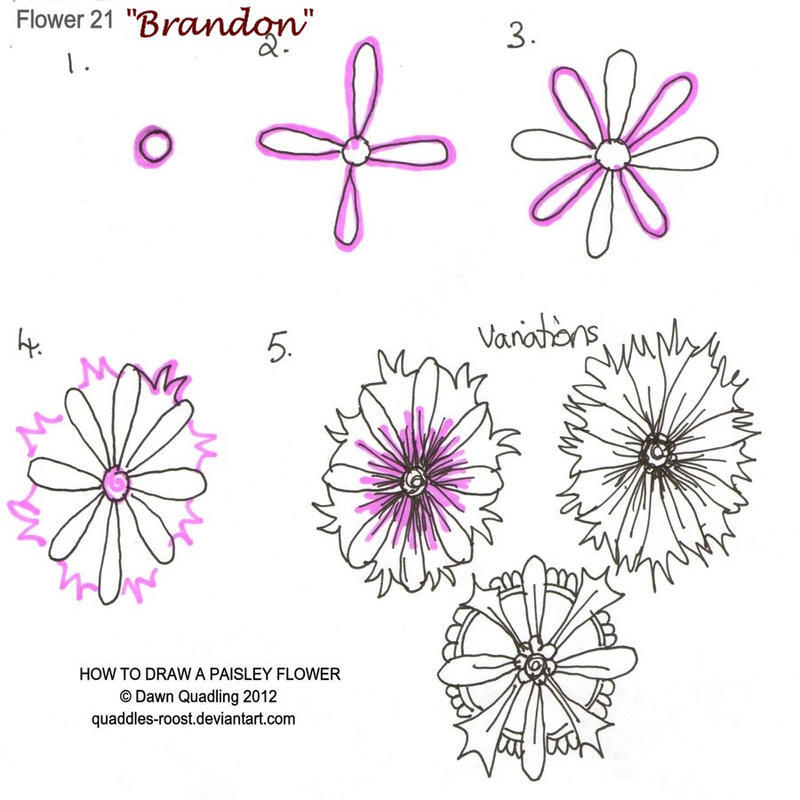
Motion lines are fundamental elements in illustrating dynamic poses, as they convey movement and energy within a scene. By incorporating these lines into your character sketches, you can significantly enhance the viewer’s perception of action, making your artwork more engaging and dynamic.To effectively use motion lines, it is essential to understand their role in guiding the viewer’s eye and amplifying the sense of action.
Action lines can vary in style and can be applied in numerous ways, depending on the nature of the movement being depicted. Their strategic placement can suggest speed, direction, and intensity, transforming a static image into a moment filled with life and motion.
Types of Action Lines and Their Effects
The application of action lines can greatly affect how motion is perceived in artwork. Here are various types of action lines along with their specific effects:
- Curved Action Lines: These lines flow smoothly, suggesting a gentle or fluid motion. They are often used in scenes depicting dancing, running, or any movement that has a graceful quality.
- Straight Action Lines: Straight lines imply speed and urgency. They are effective in action scenes involving quick movements, such as a punch or a swift sprint.
- Multiple Action Lines: Using several lines in parallel or clustered formations can emphasize rapid movement. This technique is particularly useful for illustrating fast-paced actions like flying or dodging.
- Explosive Action Lines: These lines radiate outwards from a central point and are often used to depict sudden bursts of energy, such as an explosion or a powerful strike.
Integrating action lines into character sketches requires careful consideration of the scene’s context. The following tips can help you effectively incorporate these lines into your work:
- Identify the primary direction of movement before adding action lines. This awareness will help you place the lines in a way that supports the pose.
- Vary the thickness and opacity of the action lines to create depth. Thicker lines can suggest closer action, while thinner lines can indicate movement farther away.
- Use color to differentiate between different types of motion. For instance, warm colors can suggest aggressive action, while cool colors may convey a more subdued motion.
- Ensure that action lines complement the character’s anatomy and the overall composition of the artwork. They should enhance the pose without overwhelming it.
“Well-placed motion lines not only indicate action but also guide the viewer’s eye through the narrative of the artwork.”
Practicing Dynamic Poses
Developing proficiency in drawing dynamic poses requires a structured practice routine that nurtures both skill and creativity. Engaging in routine practice not only enhances one’s ability to capture movement but also contributes to a deeper understanding of anatomy and the principles of dynamic composition.To improve posing skills, it is essential to incorporate various activities and exercises into your practice regimen.
Such exercises can help build muscle memory and enhance observational skills, allowing artists to depict more lifelike and energetic characters.
Structured Practice Routine
Establishing a consistent practice routine is critical for mastering dynamic poses. This routine should encompass both fundamental exercises and more advanced techniques. Here is a suggested framework for a structured practice routine:
- Warm-Up Exercises: Begin with quick sketches of dynamic poses using timed intervals (e.g., 30 seconds to 2 minutes per pose) to enhance speed and fluidity.
- Reference Studies: Utilize references from life or photographs, focusing on athletes, dancers, or action scenes to study how bodies move in dynamic situations.
- Gesture Drawing Sessions: Engage in dedicated gesture drawing sessions where the focus is on capturing the essence of movement rather than detail.
- Focal Point Exercises: Draw a series of poses emphasizing various focal points, like the hands or the head, to understand how these elements influence the overall dynamism of the pose.
- Character Development: Integrate character design into your dynamic poses by imagining unique scenarios that require specific movements, allowing for creative expression while practicing.
Activities to Improve Posing Skills
In addition to a structured routine, engaging in diverse activities can further enhance your ability to draw dynamic poses. These activities can provide fresh perspectives and inspire creativity in your work.
- Life Drawing Classes: Attend life drawing sessions where live models pose in dynamic positions, providing an invaluable opportunity to observe and capture real movements.
- Action Movies and Sports: Analyze scenes from action movies or sporting events, studying the athletes’ movements, body language, and how they convey energy and action.
- Animation Studies: Study principles of animation, particularly those that pertain to dynamic poses, such as squash and stretch, which can greatly influence your understanding of motion.
- Pose Reference Websites: Utilize online resources that offer a wide range of dynamic poses for study and practice, allowing you to challenge yourself with various angles and movements.
Checklist for Evaluating Dynamism
A checklist can serve as a useful tool for evaluating the dynamism of poses in your work. This checklist should focus on critical aspects that contribute to the overall effectiveness and energy of the poses.
| Criteria | Description |
|---|---|
| Line of Action | Does the pose have a clear line of action that guides the viewer’s eye through the motion? |
| Balance | Is the weight distribution in the pose believable, and does it convey a sense of stability or instability as needed? |
| Exaggeration | Are the forms and movements exaggerated enough to enhance the sense of action without losing realism? |
| Foreshortening | Is foreshortening effectively used to create depth and perspective within the pose? |
| Emotion | Does the pose communicate an emotion or intention that aligns with the character’s narrative? |
Character Emotion and Expression
In the realm of character design and illustration, the ability to effectively convey emotion through dynamic poses is paramount. A character’s physical stance can speak volumes about their feelings, intentions, and reactions, ultimately enhancing the viewer’s connection to the story being told. By mastering the art of merging body language with emotional cues, artists can create more relatable and engaging characters.The relationship between body language and emotional expression is intricate and multifaceted.
Poses can be meticulously crafted to reflect a wide spectrum of feelings, from joy and excitement to anger and despair. To achieve this, artists must consider the nuances of posture, movement, and even the subtle angles of limbs and torso. Here are several techniques that can be employed to effectively communicate emotions through poses:
Techniques for Merging Emotional Cues with Body Language
To successfully convey emotions through poses, it is essential to understand how specific body movements correlate with particular feelings. The following points highlight key aspects that can enhance the emotional depth of a character’s pose:
- Posture: An upright posture often signifies confidence and openness, while a slumped or hunched position may suggest defeat or sadness. For instance, a character standing tall with shoulders back can radiate empowerment, whereas a character cowering with shoulders rounded can express vulnerability.
- Gestures: Dynamic hand movements can dramatically alter the perception of a pose. For example, clenched fists can indicate anger or determination, while open hands can symbolize receptiveness or fear.
- Weight Distribution: The way a character places their weight can exhibit their emotional state. A character leaning forward may express eagerness or interest, while leaning back can convey hesitance or discomfort.
- Spatial Relationship: The distance between characters can also indicate emotional dynamics. For example, a close distance may suggest intimacy or aggression, depending on the context.
- Dynamic Movement: Fluid movements can express joy and excitement, while abrupt or jerky movements might denote anger or panic. Capturing motion in poses can further enhance the emotional resonance.
In addition to body language, facial expressions play a crucial role in reinforcing the emotions depicted in dynamic poses. The synergy between a character’s facial cues and body language can create a powerful narrative.
Importance of Facial Expressions in Enhancing Dynamic Poses
Facial expressions serve as a vital complement to body language, providing clarity and depth to the emotional context of a pose. They can transform an ordinary stance into a compelling depiction of feeling. Here are several ways in which facial expressions enhance the communication of emotions:
- Alignment with Body Language: An angry pose accompanied by a furrowed brow and gritted teeth will convey a stronger message than the pose alone. Facial expressions should mirror the emotional intent of the body to provide coherence.
- Subtlety Matters: Minor changes in facial expression, such as a slight raise of the eyebrows or a curled lip, can significantly alter the interpretation of a pose. Subtlety is key in conveying complex emotions like uncertainty or contemplation.
- Emphasizing Contrast: Juxtaposing a calm body pose with a tense facial expression, or vice versa, can create dramatic tension and intrigue. This contrast can develop the narrative and engage the audience more effectively.
- Expressive Eyes: The eyes are often considered the windows to the soul. Their direction, openness, and the intensity of gaze can convey a plethora of emotions, from innocence to malice, enriching the character’s overall portrayal.
- Facial Details: Features such as furrows, dimples, and changes in skin tone can enhance the expressiveness of a character’s face. Artists should pay attention to how these details can reflect the emotional state, adding layers to the character’s presence.
By harmonizing body language with facial expressions, artists create dynamic poses that not only reflect a character’s physicality but also their emotional landscape. The ability to portray emotion through visual storytelling is a powerful tool that captivates audiences and enhances the depth of character development.
Analyzing Popular Art Styles
Analyzing popular art styles provides valuable insights into how dynamic poses can be effectively portrayed. Different artistic movements and individual artists have developed unique techniques that enrich our understanding of movement and expression in visual storytelling. Exploring these styles not only enhances artistic skills but also broadens the appreciation for the diverse ways artists convey dynamic action.Various art styles, such as comic art, anime, and expressionism, utilize dynamic poses to convey energy and emotion.
Each style showcases specific techniques that contribute to the overall impact of the artwork. Understanding these differences is crucial for artists seeking to implement dynamic posing in their own work.
Art Styles That Effectively Utilize Dynamic Posing
In examining art styles that excel in dynamic posing, the following categories stand out, each characterized by distinctive techniques and visual languages.
- Comic Art: Comic artists often employ exaggerated poses and perspectives to emphasize action. The use of motion lines and impact frames enhances the sensation of movement. Renowned artists like Jim Lee and Frank Miller have mastered these techniques to create iconic dynamic scenes.
- Anime and Manga: This style is known for its expressive characters and fluid motion. Artists like Masashi Kishimoto in “Naruto” use dynamic angles and body language to convey a sense of urgency and emotion. Techniques such as speed lines and dramatic perspective shifts are common to amplify the effect of movement.
- Expressionism: This style focuses on conveying emotional experience rather than physical reality. Artists like Edvard Munch utilize distorted forms and dynamic compositions to express intense feelings. The poses in expressionist art often appear exaggerated, contributing to a heightened sense of drama.
- Realism: While realism aims to depict subjects accurately, many realist artists incorporate dynamic poses to capture fleeting moments of movement. Edgar Degas, known for his ballet dancers, used innovative angles and poses to convey grace and motion, showcasing the beauty of dynamic human forms.
Artists Known for Dynamic Poses
Several artists are particularly notable for their ability to convey dynamic poses in their work. Their techniques often serve as inspiration for budding artists.
- Andrew Loomis: Renowned for his instructional books, Loomis emphasized the importance of understanding anatomy and perspective in dynamic posing. His detailed sketches demonstrate how to create convincing movement that feels both natural and expressive.
- Stan Lee and Jack Kirby: The duo revolutionized comic art with their dynamic storytelling and innovative poses. Kirby’s use of exaggerated anatomy and dramatic foreshortening helped establish iconic characters and action sequences that remain influential in the genre.
- Gustave Courbet: As a key figure in realism, Courbet’s works, especially depicting wrestlers and athletes, focus on the physicality of movement. His attention to anatomical correctness and motion captures the essence of dynamic poses beautifully.
- Hajime Isayama: The creator of “Attack on Titan,” Isayama utilizes dynamic poses to illustrate the intense action and emotional stakes of his narrative. His characters often exhibit exaggerated movements that convey urgency and intensity, further enhancing the storytelling.
Influence of Styles on Movement Portrayal
Different art styles profoundly influence how movement is portrayed, as each has its own principles and techniques that artists can adopt. For instance, comic art’s emphasis on bold Artikels and dramatic angles allows for a clear depiction of dynamic action, while anime’s focus on fluid motion and character expression conveys both excitement and emotional depth. Expressionism, with its emphasis on emotional resonance, may not prioritize realism but instead captures the essence of movement through abstraction and distortion.
Understanding these influences enables artists to select and adapt techniques suited to their narrative needs, ensuring that their dynamic poses resonate with the intended audience. By analyzing these varying styles, artists can develop a more versatile approach to dynamic posing in their own work, enhancing the overall impact of their characters and stories.
End of Discussion
In conclusion, mastering the art of depicting dynamic poses is a rewarding journey for any artist. By incorporating the principles discussed, from understanding anatomy and using motion lines to analyzing popular art styles, you will be better equipped to create compelling characters that resonate with viewers. Embrace the practice and experimentation necessary to develop your unique style, as each dynamic pose brings your characters closer to life, fostering deeper engagement with your audience.