How to Draw Trees and Foliage Efficiently invites artists of all levels to explore the intricate beauty of trees and their surroundings. This guide delves into the essential techniques and tools required for capturing the essence of various tree types and their foliage, providing a comprehensive overview that enhances both skill and understanding.
From the foundational aspects of sketching trunks and branches to the detailed rendering of leaves and bark, this resource will equip you with the knowledge needed to elevate your drawings. By understanding the characteristics of different trees and foliage, along with practical drawing methods, you will be well on your way to creating stunning representations of nature.
Basics of Drawing Trees

Drawing trees is an essential skill for artists, as trees are a fundamental element of natural landscapes. They come in various shapes and sizes, each with unique characteristics that can enhance the beauty of artwork. Understanding how to draw trees effectively can add depth and realism to your compositions.Different types of trees can be represented in art, such as deciduous trees, coniferous trees, and tropical trees.
Each type has distinct features, including leaf shapes, trunk structures, and overall proportions. Recognizing these differences is critical for creating accurate and compelling representations of trees.
Types of Trees
The most common categories of trees to draw include:
- Deciduous Trees: These trees shed their leaves annually and exhibit a wide range of shapes, from the round-topped oak to the tall, slender birch. Their leaves can vary in color and texture, showcasing vibrant hues during autumn.
- Coniferous Trees: Known for their needle-like leaves and conical shapes, conifers such as pines, spruces, and firs are often depicted in winter scenes. Their branches are typically more horizontal compared to deciduous trees.
- Tropical Trees: These trees, which include palms and banyans, have large, broad leaves and often feature unusual heights and trunk shapes. They are commonly found in warm climates and can provide a distinctive look to artwork.
Sketching the Trunk and Branches
To create a convincing tree, one must start with a solid trunk and branch structure. Here is a step-by-step guide on how to sketch the trunk and branches:
- Begin by drawing the trunk. Use a slightly tapered shape to indicate that the trunk is wider at the base and narrows as it rises.
- Add bark texture by sketching irregular, vertical lines along the trunk. This detail adds realism and character to the tree.
- Next, extend the branches from the trunk. Start with the main branches, which should grow outward and slightly upward. Remember that branches can vary in thickness; larger branches should be thicker than smaller ones.
- Add smaller branches that extend from the main branches, ensuring they follow a natural growth pattern. Vary the length and angle of each branch to mimic the organic nature of trees.
Essential Tools and Materials
Having the right tools can significantly enhance your tree drawing experience. The following list includes essential materials:
- Pencils: A range of pencils (HB to 6B) will allow you to create fine lines and rich shading.
- Erasers: A kneaded eraser is ideal for gently lifting graphite without damaging the paper.
- Paper: Use high-quality drawing paper that can withstand repeated sketching and erasing.
- Inking Pens: Fine-tipped pens can be used for outlining and adding details after the pencil sketch is complete.
- Colored Pencils or Watercolors: To add color and enhance your drawing, these mediums can bring your trees to life.
Understanding Foliage
Foliage plays a crucial role in the overall aesthetic and ecological function of trees. It encompasses the leaves, branches, and reproductive parts of trees, contributing significantly to their identity and health. This segment will delve into the various types of leaves, compare broadleaf and coniferous trees, and examine how seasonal changes impact foliage.
Types of Leaves and Their Characteristics
Understanding the different types of leaves is essential for effectively rendering trees and foliage. Leaves can be categorized primarily into two types: broadleaf and needle-like leaves.
- Broadleaf Leaves: These leaves are typically flat and wide, allowing for a larger surface area for photosynthesis. They often display intricate patterns of veins and can vary greatly in shape and size, from the large maple leaf to the delicate ginkgo leaf.
- Needle-like Leaves: Found predominantly on coniferous trees, these leaves are long, thin, and often have a waxy coating that helps in conserving moisture. Examples include pine, spruce, and fir trees, which remain green throughout the year.
- Deciduous Leaves: These leaves are shed seasonally, often changing colors before falling. They are characteristic of trees like oaks and birches.
- Evergreen Leaves: These leaves persist year-round, maintaining their color and vitality. Examples include holly and various conifers.
Comparison of Broadleaf and Coniferous Trees
The distinction between broadleaf and coniferous trees is fundamental in understanding tree morphology and ecology. Each type exhibits unique characteristics that influence their environments and adaptations.
- Broadleaf Trees: Generally found in temperate regions, these trees have wide, flat leaves that allow for efficient photosynthesis. Examples include oaks, maples, and elms.
- Coniferous Trees: Typically adapted to harsher climates, conifers have needle-like leaves that reduce water loss and can withstand cold temperatures. Common coniferous trees include pines, spruces, and cedars.
- Growth Patterns: Broadleaf trees often grow larger and have a more complex branching structure compared to the typically more uniform and conical shape of coniferous trees.
- Seasonality: Broadleaf trees experience dramatic seasonal changes, showcasing vibrant autumn colors before leaf drop, while conifers maintain their foliage throughout the year.
Seasonal Changes and Their Effects on Foliage
Seasonal changes greatly influence the appearance of foliage, affecting both color and texture.
“The changing seasons are a testament to nature’s cyclical rhythm, showcasing the dynamic beauty of foliage.”
During spring, trees awaken from dormancy, producing new leaves that are often tender and bright green. As summer approaches, foliage may become lush and vibrant, providing shade and habitat for wildlife. In autumn, broadleaf trees exhibit a spectacular transformation, with leaves turning shades of red, orange, and yellow before falling. This change is due to the breakdown of chlorophyll, revealing other pigments such as carotenoids and anthocyanins.
Conversely, coniferous trees maintain their green needles, which may become less vibrant in winter due to cold stress but do not undergo significant color change as broadleaf trees do. Understanding these variations not only enhances artistic representation but also deepens appreciation for the complex life cycles of trees.
Techniques for Efficient Drawing
In the realm of drawing trees and foliage, mastering efficient techniques is crucial for artists seeking to enhance their skills and productivity. The following section Artikels valuable methods to streamline the drawing process, making it easier to capture the essence of trees and their intricate foliage.
Methods for Quickly Sketching Tree Shapes and Forms
To effectively sketch tree shapes and forms, artists can employ various approaches that simplify the process. Utilizing basic geometric shapes as the foundation for tree structures allows for quicker execution. For example, starting with a triangle for the canopy and a rectangle for the trunk can serve as a guideline. Additionally, applying the “blocking in” technique involves sketching large shapes first without focusing on details.
This helps in visualizing the overall composition before refining the drawing. Another useful method is to use quick, gestural strokes to capture the dynamic shapes of branches and leaves, allowing the artist to convey movement and character in the trees.
Importance of Using Reference Images
Utilizing reference images is essential for artists seeking accuracy and inspiration in their drawings. Reference images provide a visual basis for understanding the structural elements of trees and foliage. When selecting reference images, it is important to choose images that represent various types of trees in different seasons, lighting conditions, and angles. This not only aids in understanding the diversity of tree forms but also helps in recognizing how foliage behaves under various circumstances.
“Reference images serve as a bridge between observation and imagination, enhancing the artist’s ability to create realistic and expressive works.”
Time-Saving Tips for Drawing Foliage
Time management is a vital skill for artists, particularly when it comes to the intricate task of drawing foliage. The following tips can help streamline the process while maintaining a high level of quality:
- Simplify Leaf Shapes: Focus on capturing the general shape and clusters of leaves rather than detailing each leaf. This approach allows for a more impressionistic representation while saving time.
- Use a Variety of Brushes: For digital artists, employing a variety of brushes can create different textures and effects for foliage quickly, reducing the need for extensive detailing.
- Layering Techniques: Building up layers of foliage with varying opacities creates depth without the need for meticulous detailing in each layer.
- Group Elements: Instead of drawing every leaf individually, grouping elements together can create a fuller appearance in less time.
- Practice Speed Sketching: Regularly engaging in speed sketching sessions can improve an artist’s ability to capture essential forms and details quickly.
Incorporating these techniques into your drawing practice can significantly enhance efficiency, allowing for more time to focus on creativity and expression within your artwork.
Adding Texture and Detail
The addition of texture and detail is essential in enhancing the realism of tree and foliage drawings. Through effective techniques, artists can create the illusion of rough bark, delicate leaves, and the interplay of light and shadow, which contribute significantly to the overall depth and richness of the artwork. In this section, we will explore methods for rendering bark and leaf textures, utilizing shading to add depth, and layering colors for a more lifelike representation of foliage.
Rendering Bark and Leaf Textures
To accurately depict the textures of bark and leaves, various techniques can be employed that emphasize the unique characteristics of each element. The following methods are instrumental in achieving these textures:
- Hatching and Cross-Hatching: These techniques involve creating parallel or intersecting lines to mimic the surface texture of bark. Varying the density and direction of the lines can give the bark a more three-dimensional appearance.
- Stippling: By using small dots or points, artists can depict the roughness of bark and the subtle variations in leaf surfaces. This technique adds depth and interest without overwhelming the viewer.
- Textured Brushes: In digital drawing, utilizing brushes designed specifically for textures can greatly enhance realism. These brushes can emulate natural patterns found in bark and foliage.
Shading Techniques for Depth
Shading is crucial in creating an impression of volume and dimension in drawings. Effective shading techniques can dramatically improve the depth of tree drawings. The following points highlight essential shading practices:
- Light Source Identification: Determine the direction of the light source before shading. This allows for consistent highlights and shadows throughout the drawing.
- Gradient Shading: Use gradients to transition smoothly between light and dark areas. This technique enhances the three-dimensional effect, particularly on rounded tree trunks and foliage.
- Blending: Employ blending tools, such as a blending stump or a soft cloth, to soften harsh lines and create a more natural appearance in shaded areas.
Layering Colors for Realistic Foliage Effects
Layering colors is an effective strategy for achieving vibrant and realistic foliage. This process adds depth and complexity to the colors used in tree drawings. The following techniques are beneficial:
- Base Layer Application: Start with a light base color to establish the foundation for the foliage. This layer sets the tone and creates a uniform background.
- Building Up Layers: Gradually apply additional layers of darker shades and complementary colors. This technique helps in creating the illusion of depth and light variation, similar to how light filters through leaves.
- Highlighting and Detailing: Finish with the application of lighter hues and detailed strokes to represent light reflections and intricate leaf structures. The contrast between light and shadow is vital for realism.
Composing Tree Scenes
Creating compelling compositions that feature trees requires an understanding of various elements that enhance the visual impact of the artwork. Composition is the arrangement of elements within the frame, and when trees are the focal point, their placement can significantly influence the viewer’s experience. This section will delve into the principles of composition that can elevate tree drawings, how to effectively integrate trees into different landscape settings, and the importance of balancing foreground and background elements.
Elements of Composition for Tree Drawings
Effective composition involves several key elements that work together to create harmony and focus in a tree scene. These elements include the rule of thirds, leading lines, and focal points.
- Rule of Thirds: Dividing the canvas into a three-by-three grid allows artists to position trees at the intersection points, enhancing visual interest.
- Leading Lines: Utilizing paths, rivers, or branches that lead towards the trees can guide the viewer’s eye and create depth.
- Focal Points: Establishing a main subject, such as a grand oak tree, while ensuring surrounding elements support this focus without overwhelming it is crucial.
Understanding these composition elements helps in creating aesthetically pleasing artworks that resonate with viewers.
Incorporating Trees in Landscape Settings
Integrating trees into various landscape settings enhances the overall composition and provides context to the artwork. Different environments can showcase trees uniquely, impacting the mood and story of the piece.
- Forests: A dense arrangement of trees can evoke feelings of mystery and exploration. Layering trees with varying heights can create depth.
- Urban Settings: Trees in city landscapes can provide a contrast between nature and architecture. Positioning trees near buildings can illustrate harmony between nature and human structures.
- Rural Scenes: Open fields with solitary trees can symbolize isolation or tranquility. Placing a tree along a horizon can create balance and draw attention to the sky.
Each setting offers unique challenges and opportunities for artists to explore the relationship between trees and their environments.
Balancing Foreground and Background Elements
Achieving a balance between foreground and background elements is vital for effective tree compositions. The interaction between these layers can enhance depth and visual storytelling in the artwork.
- Foreground Elements: Including details such as grass, flowers, or rocks in the foreground can create immediacy and draw the viewer into the scene. These elements should complement the trees, not distract from them.
- Background Elements: Mountains, skies, or distant trees in the background provide context and scale. The use of atmospheric perspective, where distant elements are rendered lighter and less detailed, can enhance the illusion of depth.
Striking the right balance between these elements not only supports the main subject but also enriches the overall narrative of the piece.
Common Mistakes and Solutions
Often, artists encounter challenges when drawing trees and foliage, leading to common mistakes that can hinder their progress. Understanding these errors is crucial for improvement. Addressing these pitfalls can elevate one’s drawing skills significantly, transforming basic representations into more realistic and expressive artworks.
Frequent Errors in Tree and Foliage Drawing
Identifying common mistakes is the first step towards refining one’s skills in tree drawing. The following points Artikel prevalent errors that artists, particularly beginners, may face:
- Improper Proportions: Trees may be drawn with trunks that are too thick or branches that are disproportionately thin, leading to an unrealistic appearance.
- Lack of Variation: Foliage often appears uniform and lacks the natural variety found in real life, resulting in a flat depiction.
- Ignoring Light and Shadow: Failing to account for light sources leads to a lack of depth and dimension in the drawing.
- Over-Simplification: Beginners may reduce complex foliage into basic shapes, neglecting the intricate details that enhance realism.
- Static Poses: Trees are often drawn in stiff, unnatural poses, which detracts from their dynamic presence.
Corrective Actions for Improvement
To overcome these common mistakes, artists can adopt several corrective measures aimed at enhancing their drawing techniques:
- Study Proportions: Reviewing anatomy and proportions of different tree species helps achieve balance in tree drawings.
- Incorporate Variety: Observing real trees and varying foliage, including differences in shape, size, and density, will create a more natural look.
- Utilize Light and Shadow: Practicing shading techniques will add depth and realism, emphasizing the three-dimensional quality of trees.
- Focus on Details: Instead of simplifying, artists should invest time in detailing leaves, bark textures, and branch structures to create lifelike representations.
- Emphasize Movement: Incorporating flowing lines and varied angles can convey a sense of life and movement in tree poses.
Comparison of Beginner versus Advanced Techniques
The transition from beginner to advanced techniques involves a deeper understanding of the elements that contribute to realistic tree drawings. Beginner techniques often focus on basic shapes and Artikels, resulting in flat representations. Conversely, advanced techniques entail a comprehensive approach that integrates form, texture, and context. Advanced artists utilize layering and blending to render foliage more convincingly, capturing the nuances of light filtering through leaves.
They also emphasize atmospheric perspective, which adds depth to compositions by manipulating color and detail based on distance.For instance, beginners might draw a tree with a singular color for the foliage, while advanced artists employ a palette that includes various shades and tones to depict highlights and shadows, simulating the effects of sunlight. This sophisticated technique not only enhances the visual appeal but also conveys the complexity of nature.In conclusion, recognizing common mistakes and implementing corrective strategies fosters growth in tree drawing skills, bridging the gap between novice and expert artistry.
Practice Exercises for Improvement
Engaging in practice exercises is essential for developing and refining your tree drawing skills. By systematically exploring different tree types, angles, and foliage styles, artists can enhance their understanding and proficiency in rendering trees effectively. These exercises will provide a solid foundation for both novice and experienced artists seeking to elevate their skills.Experimenting with various tree types not only broadens your artistic repertoire but also helps you better understand the unique characteristics of each species.
This understanding aids in making informed choices when incorporating trees into your artwork. Below are structured exercises designed to challenge your creativity and encourage exploration.
Exercises Focused on Drawing Different Tree Types
Begin with a series of structured exercises that promote familiarity with diverse tree species. By focusing on the distinct features of each type, you can learn to capture their essence more accurately. Each exercise encourages you to observe and interpret the unique qualities of the trees you choose to draw.
- Deciduous Trees: Draw three different types of deciduous trees, focusing on their varied leaf shapes and branch structures. Pay attention to the seasonal changes in foliage.
- Coniferous Trees: Illustrate a selection of coniferous trees, emphasizing their needle-like leaves and overall shape. Experiment with different perspectives to capture their height and density.
- Fruit Trees: Select two different fruit-bearing trees and highlight their fruits along with the foliage. This exercise can help in understanding how fruit affects the tree’s overall structure.
Challenge of Drawing Trees from Various Angles
Understanding perspective is crucial when drawing trees. This challenge will encourage you to explore how trees appear from different viewpoints, which adds depth and realism to your artwork. To successfully complete this challenge, select a specific tree type and depict it from multiple angles.
- Frontal View: Capture the tree head-on, focusing on its trunk and canopy.
- Side View: Illustrate the tree from the side to emphasize its height and shape.
- Top-Down View: Draw the tree from above, showcasing the layout of branches and foliage.
Experimentation with Diverse Foliage Colors and Styles
One of the most enjoyable aspects of drawing trees is the opportunity to experiment with foliage colors and styles. This exploration not only enhances your artistic expression but also allows for creative interpretations of nature. When experimenting with colors, consider the following approaches:
- Seasonal Colors: Depict trees in various seasons, such as vibrant greens for summer, warm reds and oranges for autumn, and stark browns for winter.
- Light Effects: Experiment with how light influences color perception, such as creating highlights and shadows in your foliage.
- Abstract Styles: Try incorporating different styles, like impressionism or surrealism, to represent trees in imaginative ways.
“Art is a collaboration between God and the artist, and the less the artist does the better.” – André Gide
These exercises and challenges are designed to encourage ongoing practice and experimentation. By consistently applying yourself to these tasks, you will see marked improvements in your ability to draw trees and foliage effectively.
Wrap-Up
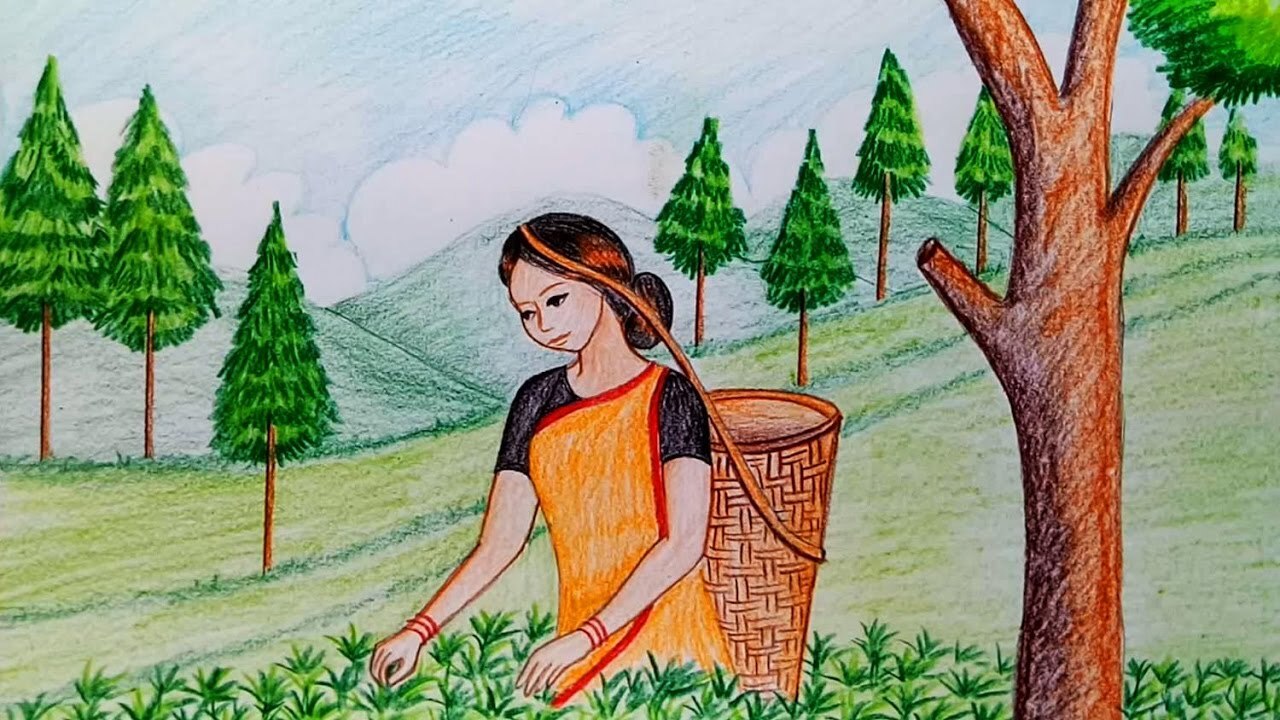
In summary, mastering the art of drawing trees and foliage not only enriches your artistic repertoire but also deepens your appreciation for nature’s wonders. By applying the techniques discussed, you can overcome common challenges and refine your skills, leading to more dynamic and captivating artwork. Embrace the journey of continual practice and exploration, and let your creativity flourish in every stroke.