How to Draw in a Classic Cartoon Style sets the stage for this enthralling narrative, offering readers a glimpse into a story that is rich in detail and brimming with originality from the outset. This guide will explore the essential aspects of classic cartoon art, from its defining characteristics to the tools and techniques that bring these whimsical creations to life.
Whether you are a novice artist or looking to refine your skills, this overview will provide you with foundational knowledge and insights into the charming world of classic cartoons.
Understanding Classic Cartoon Style
Classic cartoon style is a distinctive artistic expression characterized by its exaggerated features, vibrant colors, and imaginative themes. This style often evokes nostalgia, transporting audiences back to a simpler time through its playful and whimsical nature. Classic cartoons have shaped visual storytelling, not only entertaining audiences but also influencing contemporary animation and illustration techniques.The classic cartoon style is defined by several key characteristics, including exaggerated proportions, simple shapes, bold Artikels, and a focus on humor.
These elements together create a playful and engaging visual appeal. The use of anthropomorphism, where animals or inanimate objects are given human traits, adds charm and relatability. Additionally, the color palette is typically bright and vivid, enhancing the overall lively atmosphere.
Famous Classic Cartoon Artists and Their Contributions
Numerous artists have significantly impacted the classic cartoon style, each bringing their unique flair and innovation. Their contributions have laid the foundation for animation as an art form.
- Walt Disney: Renowned for creating iconic characters like Mickey Mouse, Disney’s work revolutionized animation by establishing narrative depth and emotional engagement in cartoons.
- Tex Avery: A pioneer in the field of slapstick comedy, Avery’s cartoons are famous for their fast pacing and surreal humor, influencing the tone and rhythm of cartoons thereafter.
- Chuck Jones: Known for his work on Looney Tunes, Jones introduced clever character dynamics and sophisticated humor, helping to elevate animation to a respected art form.
- Max Fleischer: Creator of characters such as Betty Boop and Popeye, Fleischer’s use of rotoscoping techniques brought a unique fluidity to animation, contributing to the era’s visual style.
Evolution of Classic Cartoon Style Over Time
The evolution of classic cartoon style reflects societal changes and advancements in animation technology. Initially, cartoons were brief, silent films with simple visuals. However, with the introduction of sound and color, the medium transformed significantly.The transition from black-and-white to color brought a vibrant new dimension to animation. For example, the first color cartoon, “Steamboat Willie,” showcased how sound and color worked in harmony to enhance storytelling.
Similarly, as animation techniques advanced, such as the development of cel animation and later digital animation, the style continued to evolve, incorporating more complex narratives and character development.
The progression of cartoon animation illustrates a blend of artistic innovation and cultural influence, making it a dynamic and ever-changing medium.
Today, while maintaining its core characteristics, classic cartoon style has diversified, integrating modern themes and technology, ensuring its relevance and appeal to new generations. This adaptability highlights the timeless nature of classic cartoons, which continue to inspire both viewers and creators alike.
Essential Tools for Drawing
In the pursuit of mastering classic cartoon style drawing, having the right tools is paramount. These tools not only facilitate the creative process but also ensure that artists can effectively translate their visions onto paper or digital screens. Below is a comprehensive guide that addresses both essential materials and considerations for beginners and advanced artists alike.
Necessary Materials for Drawing in Classic Cartoon Style
A well-equipped artist is a prepared artist. Here is a list of essential materials that every aspiring cartoonist should consider incorporating into their toolkit:
- Pencils: Graphite pencils of varying hardness (HB, 2B, 4B) are ideal for sketching and outlining.
- Erasers: A kneaded eraser is useful for gentle corrections, while a precision eraser is great for fine details.
- Inking Pens: Fine-tip pens, such as Micron or Gelly Roll, provide clean lines essential for cartoon Artikels.
- Markers: Alcohol-based markers are excellent for vibrant colors and blending, suitable for character design.
- Paper: Smooth bristol board or marker paper is preferred for its ability to handle ink without bleeding.
Guide on Selecting the Right Tools for Beginners versus Advanced Artists
Understanding the preferences and needs of different skill levels can greatly enhance the drawing experience. Beginners may seek simplicity and affordability, while advanced artists often require a wider variety of tools to experiment with style and technique.
- Beginners: Start with basic graphite pencils, a quality sketchbook, and a set of fine-liners. These tools facilitate easy practice without overwhelming complexity.
- Advanced Artists: Invest in a broader range of materials, including specialized inking brushes, markers, and papers that cater to diverse mediums. The use of professional-grade materials can significantly elevate the quality of work.
Importance of Digital versus Traditional Drawing Methods
Both digital and traditional drawing methods possess unique advantages that can complement the classic cartoon style.
Digital tools offer flexibility and ease of correction, while traditional methods provide a tactile connection to the art.
Digital drawing software, such as Adobe Photoshop and Procreate, allows for endless experimentation with color, layers, and effects, which can streamline the creative process. The digital medium is particularly advantageous for artists who wish to share their work online or create animations.Conversely, traditional methods can help artists develop fundamental skills such as line control and shading techniques. The physical act of drawing with pencils and inks can foster a deeper understanding of form and character expression.
Traditional artworks also carry a unique charm and authenticity that some artists and collectors highly value.Ultimately, the choice between digital and traditional tools depends on personal comfort and artistic goals, and many artists find themselves utilizing a combination of both to create their masterpieces in the classic cartoon style.
Basic Shapes and Forms
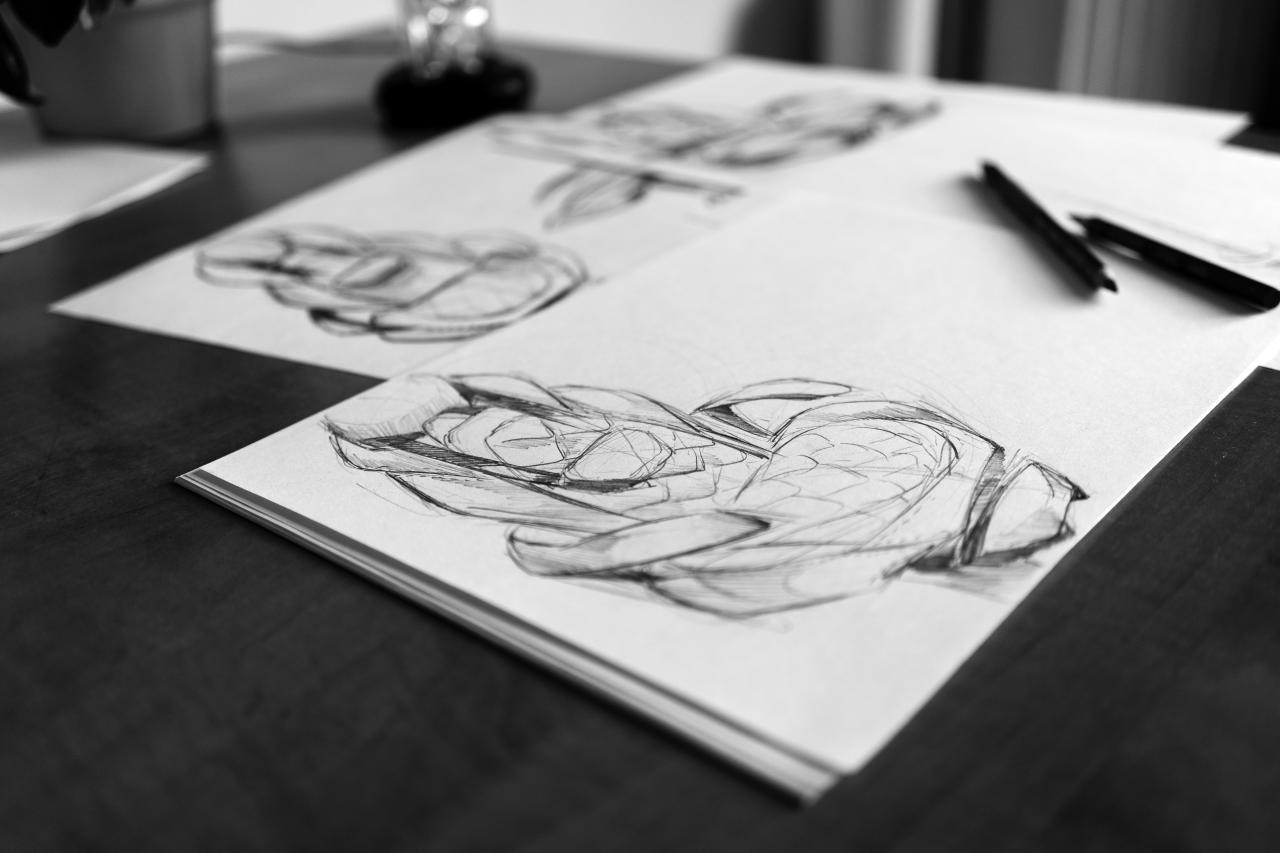
Understanding the fundamentals of cartoon drawing begins with recognizing and utilizing basic shapes and forms. These simple geometric figures serve as the building blocks for creating characters and objects in a classic cartoon style. By mastering these shapes, artists can more easily construct and manipulate their characters, enhancing their artistic abilities and confidence.Breaking down characters into basic shapes involves identifying their core components.
Most cartoon characters can be simplified into circles, ovals, rectangles, and triangles, which can then be combined and modified to create more complex forms. This technique not only streamlines the drawing process but also aids in achieving correct proportions and perspectives.
Sketching Simple Forms
To successfully sketch simple forms as a foundation for cartoon drawings, it is essential to follow a systematic approach. Start by visualizing the character you want to create and breaking it down into the primary shapes that represent its features. For example, a character’s head might be an oval, while their body could be a rectangle. Begin with light pencil strokes to Artikel these shapes, allowing for adjustments as needed.
Once the basic forms are established, you can gradually refine the shapes into the unique characteristics of your character, adding features such as eyes, mouth, and limbs. This method not only facilitates a cleaner overall design but also ensures a strong structural foundation.The following table provides a visual guide comparing different shapes and their applications in cartoon drawing. The table highlights how each shape can be utilized to create various elements of a character, illustrating the versatility of basic forms in cartoon art.
| Shape | Application | Example Character Feature |
|---|---|---|
| Circle | Used for heads and round features | Head of a character like Mickey Mouse |
| Oval | Creates softer shapes and bodies | Body shape of a cartoonish animal |
| Rectangle | Forms limbs and sturdy objects | Arms and legs of a superhero character |
| Triangle | Defines sharp features and direction | Pointy hat or sharp nose of a villain |
Utilizing these basic shapes effectively can lead to more dynamic and expressive characters in your cartoon drawings. Emphasizing the use of these foundational elements will enhance your skills and understanding of cartoon art, allowing for greater creativity and innovation in your work.
Character Design Fundamentals
Character design is a pivotal aspect of classic cartoons, serving as the visual representation of personality and story. To create memorable characters, it is essential to understand the key elements that contribute to their uniqueness and appeal. Classic cartoon characters often possess distinct traits that help them resonate with audiences, from exaggerated features to identifiable clothing and colors.One fundamental element in character design is the use of shape and silhouette, which can convey a character’s personality just as much as their facial expressions.
For example, round shapes may suggest friendliness, while sharp angles can imply danger or villainy. Additionally, understanding how to integrate expressive facial features and body language enhances the character’s emotional range, making them more relatable.
Key Elements of Character Design
When designing characters for classic cartoons, several essential elements should be taken into consideration to ensure they are effective and engaging. These elements include:
- Silhouette: A strong and recognizable silhouette allows for quick identification of the character, even from a distance.
- Exaggeration: Features can be exaggerated to emphasize personality traits, such as large eyes for innocence or a large chin for strength.
- Color Palette: Colors evoke emotions and should align with the character’s personality; warm colors may indicate friendliness, while cool colors could suggest calmness or seriousness.
- Costume: The clothing and accessories worn by a character often provide insight into their background and motivations, making them more relatable and memorable.
- Facial Expression: A character’s face can convey a wide range of emotions, essential for storytelling and audience connection.
Techniques for Expressive Facial Features and Body Language
Expressive facial features and body language are vital in conveying emotions and actions in cartoon characters. Techniques such as exaggeration and simplification can enhance these elements. Expressions can be crafted using a few key principles:
- Eyebrows: The positioning and shape of eyebrows can drastically alter a character’s expression, indicating surprise, anger, or joy.
- Mouth Shape: Varying the shape of the mouth can express a character’s feelings; a wide smile or a frown can instantly communicate happiness or sadness.
- Body Posture: The stance of a character’s body can reflect confidence, fear, or relaxation, contributing to the overall narrative.
- Agestures: Incorporating dynamic gestures into a character’s animation helps to express their feelings and intentions, making them more lively and engaging.
Common Archetypes in Classic Cartoons
Understanding archetypes in character design aids in creating relatable and recognizable figures. Classic cartoons often feature several common archetypes, which embody specific traits that resonate with audiences:
- The Hero: Typically brave, optimistic, and determined, often facing obstacles with resilience. Examples include characters like Mickey Mouse.
- The Sidekick: Loyal and supportive, they often provide comic relief and assist the hero. An example is Tonto from the Lone Ranger.
- The Villain: Often characterized by cunning and malice, they provide conflict for the hero. Classic examples include the Wicked Witch from “The Wizard of Oz.”
- The Comic Relief: Always providing laughter, this character often highlights the absurdities of situations, like Donald Duck.
- The Mentor: Wise and knowledgeable, guiding the hero through their journey. Characters like Yoda from “Star Wars” serve this role.
Mastering Line Work and Inking
Effective line work and inking are fundamental aspects of producing captivating classic cartoon art. Mastering these techniques enables artists to elevate their sketches into polished pieces, showcasing distinct character traits and expressions through precise lines. This section will delve into the essential techniques for achieving effective line work and Artikel a systematic approach to inking pencil sketches.
Techniques for Effective Line Work
The quality of line work significantly impacts the overall aesthetic of cartoon drawings. A few key techniques can enhance line work in your art:
- Consistency in Line Weight: Varying the thickness of lines gives depth and can suggest movement or importance within the drawing. Thicker lines can emphasize the Artikel of a character, while thinner lines can be used for details.
- Fluidity and Confidence: Practicing smooth, confident strokes leads to cleaner lines. Avoid hesitating when drawing, as it can create shaky or inconsistent lines.
- Use of Negative Space: Understanding and incorporating negative space can enhance the composition and clarity of your work, allowing the character to stand out more prominently.
- Cross-Hatching and Shading: These techniques can add dimension and texture, providing depth to your characters without overwhelming them with details.
Incorporating these techniques will improve the overall quality of line work, leading to a more polished final product.
Step-by-Step Procedure for Inking a Pencil Sketch
Transitioning from a pencil sketch to a completed ink drawing involves several steps that ensure accuracy and refinement. Follow these Artikeld steps for effective inking:
- Prepare Your Workspace: Ensure that your workspace is well-lit and organized, with all necessary tools within reach.
- Choose Your Inking Tool: Select an appropriate inking tool, such as a fine liner or brush pen, based on the desired effect.
- Lightly Sketch in Pencil: Ensure that your pencil lines are clear but not too dark, as these will be covered during inking.
- Start Inking Artikels: Begin by drawing the outer contours of your character. Use a consistent pressure to maintain a uniform line weight.
- Add Internal Details: Once the Artikels are complete, move on to inking internal details such as facial features, clothing, and any accessories.
- Check for Mistakes: Regularly inspect your work for any errors. If mistakes occur, correct them gently with an eraser before proceeding.
- Allow Drying Time: Once finished, allow the ink to dry completely before erasing any remaining pencil lines, to avoid smudging the ink.
Following these steps will ensure a clean and professional look to your final inked artwork.
Comparison of Inking Tools and Their Effects
The choice of inking tool significantly influences the final appearance of your cartoon artwork. Below is a comparison of various inking tools and the effects they produce:
| Inking Tool | Effect on Artwork |
|---|---|
| Fine Liners | Produce crisp, precise lines ideal for detailed work; excellent for outlining characters and intricate features. |
| Brush Pens | Offer versatility in line thickness through varied pressure; suitable for dynamic and expressive line work. |
| Dip Pens | Allow for a traditional ink feel; can create dramatic effects with varying line weights but require more skill and maintenance. |
| Markers | Excellent for bold lines and filling in larger areas; some markers bleed, affecting the precision of line work. |
Understanding the characteristics of each tool allows artists to select the best option for their artistic vision, ultimately enhancing the impact of their work.
Color Theory in Cartoon Art
Color theory plays a crucial role in the aesthetic appeal and emotional impact of cartoon art. Understanding how colors interact, evoke feelings, and convey messages can significantly enhance the effectiveness of your cartoon creations. This section will delve into the fundamental principles of color theory as they pertain to the classic cartoon style, as well as provide practical guidance on selecting suitable color palettes for your artwork.
Basics of Color Theory for Cartoon Art
At the core of color theory are concepts such as the color wheel, color harmony, and the psychological effects of colors. The color wheel consists of primary, secondary, and tertiary colors, which form the basis for understanding color relationships. In cartoon art, color harmony is essential, creating a visually appealing composition. Complementary colors (colors opposite each other on the color wheel) create contrast, while analogous colors (colors next to each other) deliver a more cohesive look.
Color choices can evoke specific moods or themes; for example, bright colors such as yellow and pink may convey cheerfulness, while darker shades like blue and black might suggest mystery or sadness. Understanding these principles allows artists to strategically select colors that align with the personality of their characters and the narrative of their cartoons.
Methods for Selecting a Color Palette
Choosing a color palette that complements the classic cartoon style involves several methods, each contributing to effective storytelling and visual coherence. One effective approach is to establish a central theme or emotion for your cartoon, aiding in color selection that resonates with that theme. Additionally, utilizing color swatches and tools can provide visual inspiration. Below are a few methods for selecting a color palette:
- Theme-based paletting: Create a palette based on the emotional tone of your cartoon, ensuring each color aligns with the intended mood.
- Character-driven colors: Assign specific colors to characters that reflect their traits; for instance, warm colors for energetic characters and cool colors for calm ones.
- Environmental context: Consider the setting of the cartoon; vibrant colors may work for a whimsical scene, while muted tones suit a more serious background.
Color Combinations for Various Cartoon Settings
Selecting the right colors for different settings in your cartoon can greatly enhance the audience’s experience. The following table illustrates effective color combinations suitable for various cartoon environments, along with their possible emotional impacts:
| Setting | Color Combination | Emotion/Impact |
|---|---|---|
| Fantasy | Bright pink, vibrant turquoise, sunny yellow | Joyful and whimsical |
| Adventure | Deep green, earthy brown, sky blue | Natural and explorative |
| Comedy | Orange, bright blue, lime green | Fun and energetic |
| Horror | Dark purple, black, deep red | Sinister and foreboding |
| Romance | Soft pink, pastel blue, cream | Gentle and affectionate |
Utilizing these combinations can enhance the visual narrative of your cartoons, making them more engaging and emotionally resonant for the audience. By applying the principles of color theory, cartoonists can create dynamic and compelling artwork that captivates viewers.
Adding Depth and Dimension
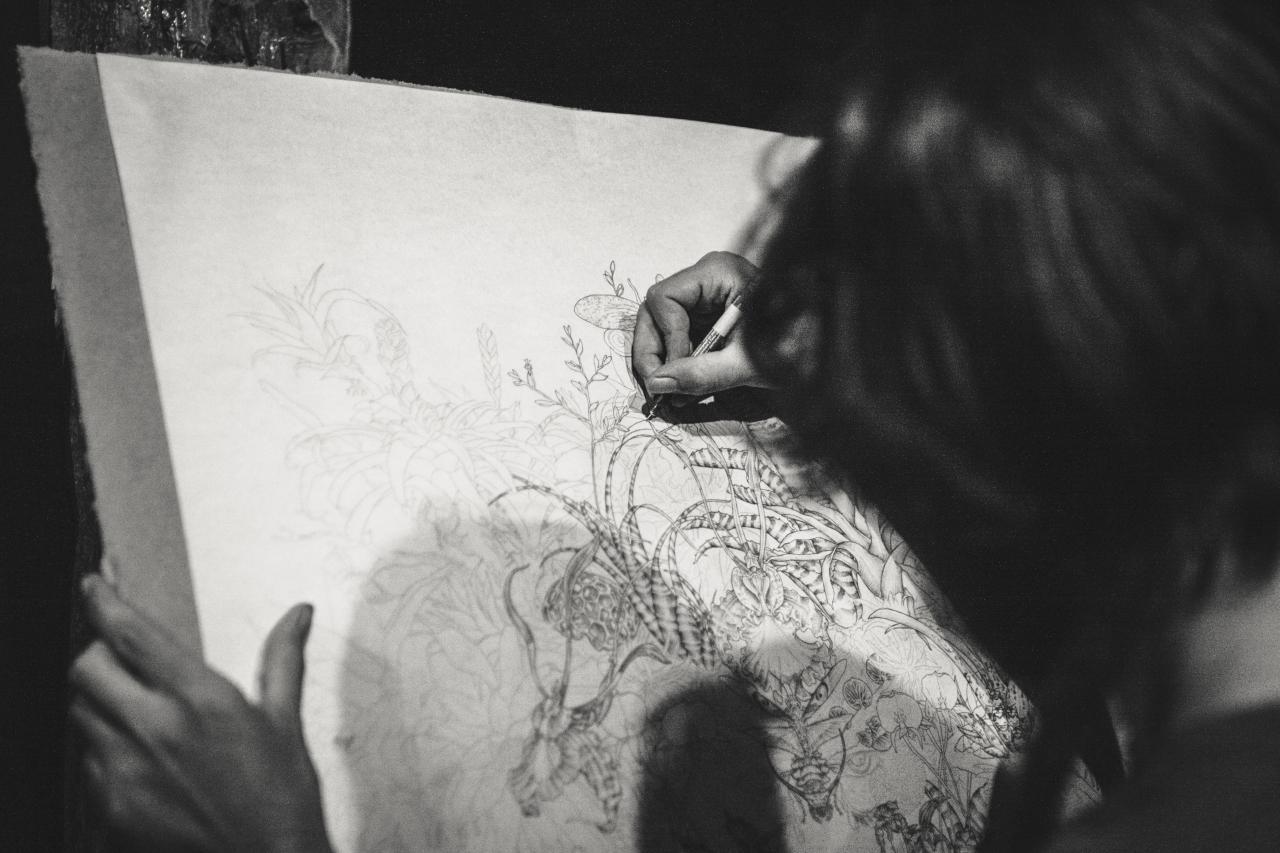
Creating depth and dimension in cartoon drawings enhances the overall visual appeal and makes characters and scenes come alive. It allows the viewer to experience a sense of space and realism, even within the stylized boundaries of classic cartoon art. By mastering techniques for shadowing and highlighting, artists can effectively convey volume and form, significantly improving the quality of their artwork.Understanding how to manipulate light and shadow is essential in achieving this depth in cartoon styles.
Shadows typically fall on the opposite side of a light source and can be used to create contrast, while highlights add brightness where light hits an object directly. Utilizing these techniques effectively can transform flat images into dynamic compositions.
Techniques for Creating Depth
When adding depth to cartoon drawings, several techniques can be employed. These methods enhance the dimensionality and overall effectiveness of the artwork:
1. Layering Elements
Placing foreground, midground, and background elements at varying distances creates a sense of space.
2. Overlapping Shapes
When one object overlaps another, it visually indicates which is closer to the viewer, thus establishing depth.
3. Size Variation
Drawing objects smaller as they recede into the background mimics perspective and contributes to a three-dimensional effect.
4. Atmospheric Perspective
Using lighter colors and less detail for background elements simulates the effect of distance, enhancing the illusion of depth.
Effective Use of Shadows and Highlights
Shadows and highlights play a crucial role in giving life to cartoon characters and scenes. To utilize these aspects effectively, consider the following points:
Direction of Light
Always determine the light source’s direction before applying shadows and highlights. This will ensure consistency across your entire drawing.
Soft vs. Hard Shadows
Depending on the light source, shadows can be soft (diffused) or hard (sharp). Soft shadows are often more natural, while hard shadows can create dramatic effects when used wisely.
Color Choices
Shadows do not always have to be black or gray. Using colors that complement the object’s hue can result in a more cohesive and visually pleasing piece.
Remember that well-placed shadows and highlights can greatly enhance the perception of depth, making the cartoon art feel more three-dimensional.
Common Mistakes to Avoid
When attempting to add depth and dimension to cartoon drawings, artists often encounter pitfalls that can hinder their progress. Being mindful of these common mistakes can lead to improved results:
Ignoring the Light Source
Failing to establish a consistent light source can lead to unrealistic shading and highlights.
Overusing Black Shadows
Relying solely on black for shadows can make drawings look flat and lifeless. Consider using shades of the base color or complementary colors instead.
Neglecting Overlapping
Forgetting to overlap elements may make a scene appear cluttered but flat. Overlapping is crucial for indicating depth.
Uniform Highlighting
Applying highlights uniformly across surfaces can make the drawing look artificial. Highlights should vary based on the surface texture and light source.By incorporating these strategies and avoiding common mistakes, cartoon artists can significantly enhance the depth and overall visual impact of their work, leading to more engaging and dynamic illustrations.
Storytelling Through Cartoons
In the realm of classic cartoons, storytelling is an integral component that breathes life into characters and narratives. Through skillful use of expressions and poses, artists can convey emotions and tell compelling stories without the need for dialogue. This ability to communicate visually is what distinguishes outstanding cartoon art from the mundane.Character expressions and poses play a vital role in narrative development.
Emotions such as joy, sadness, anger, and surprise can be powerfully depicted through exaggerated facial features and body language. For instance, a character with wide-open eyes and a broad smile can instantly convey happiness, while furrowed brows and slumped shoulders might suggest despair or defeat.
Effective Storytelling Techniques in Classic Cartoons
Classic cartoons often utilize specific techniques to enhance storytelling. These techniques allow for an engaging narrative that resonates with audiences. Here are some notable methods:
- Visual Gags: Incorporating humor through visual puns or slapstick comedy can enhance the comedic aspect of storytelling. For example, characters may comically react to unexpected events, such as a pie in the face, which delivers immediate humor and engages viewers.
- Character Arcs: Developing characters with distinct personalities and growth throughout the story fosters emotional connections with the audience. A classic example is the transformation of characters like Bugs Bunny, who evolves through various scenarios, showcasing adaptability and quick wit.
- Symbolism: Using visual symbols can effectively represent themes or emotions. For instance, a stormy background might symbolize a character’s internal conflict, while bright colors may represent joy and freedom, enhancing the emotional depth of the story.
- Timing and Pacing: The timing of actions and reactions is crucial in cartoons. Well-timed comedic beats or dramatic pauses can heighten the impact of a scene, making it memorable. Classic shorts often use exaggerated timing to maximize comedic effect.
Creating a short cartoon storyboard involves a structured approach that enables clarity in storytelling. A typical storyboard includes the following elements:
- Title and Concept: Begin by defining the title and the main concept of the cartoon. This serves as the foundation for the entire storyboard.
- Scene Breakdown: Divide the story into key scenes, indicating the setting, characters involved, and the primary action taking place in each scene.
- Character Actions and Expressions: Artikel the specific actions and emotions of the characters within each scene. This includes detailed descriptions of their expressions and poses, highlighting how they contribute to the narrative.
- Dialogue and Sound Effects: If applicable, note any dialogue or sound effects that accompany the scenes. While classic cartoons often rely on visual storytelling, sound can enhance the experience.
- Transitions: Describe how each scene transitions to the next, ensuring a smooth flow of the story.
“Visual storytelling in cartoons relies on the effective use of expressions and poses to communicate emotions and narratives without words.”
Critiquing and Improving Your Work
Critiquing your own artwork is an essential part of the artistic process, particularly in mastering cartoon styles. By developing a keen eye for detail and an understanding of your strengths and weaknesses, you can effectively enhance your drawing skills. This section will delve into methods for self-critique, the value of feedback from peers and professionals, and a checklist to assess the quality of your cartoon art.
Methods for Self-Critique
Self-critique involves evaluating your own work objectively to identify areas that require improvement. This practice is crucial for growth as an artist. To effectively critique your work, consider the following methods:
1. Take a Break
Allow yourself some time away from your artwork. This distance can provide a fresh perspective when you return to review your work.
2. Compare with References
Use reference images or successful cartoons in your genre to compare your work. Analyze differences in style, proportion, and composition.
3. Create a Review Journal
Document your thoughts on each piece, noting what you feel works well and what doesn’t. This reflective practice can help you track your artistic evolution.
4. Focus on Specific Elements
Break down your critique into specific categories like line work, color choice, and character expressions to identify precise areas for improvement.
5. Set Goals
After identifying weaknesses, set clear and achievable goals for your next projects to guide your practice.
Benefits of Seeking Feedback
Feedback can be invaluable for artistic growth, but the source of that feedback can significantly impact its usefulness. Here are some differences between peer feedback and professional critiques:
Peer Feedback
Often more supportive, peer feedback can provide insights from fellow artists at similar skill levels. This type of feedback can foster a collaborative environment and enhance motivation. However, it may lack the depth that a more experienced critique can offer.
Professional Critiques
Feedback from professionals can offer critical insights that come from years of experience and expertise in the field. Professionals can provide concrete advice on technique and style, but their feedback may be less personal, focusing more on industry standards.
Checklist for Assessing Cartoon Art Quality
Using a consistent set of criteria allows for more structured evaluations of your cartoon art. The following checklist can help assess your work’s quality:
1. Proportions and Anatomy
Are the character proportions consistent and believable within the cartoon style?
2. Line Quality
Is the line work clean and expressive? Do the lines convey the intended emotions or actions?
3. Color Harmony
Are the colors used complementary and appropriate for the character’s personality and the scene’s mood?
4. Composition
Is the layout of the artwork visually appealing? Does it guide the viewer’s eye effectively through the piece?
5. Character Expression
Do the characters display emotions that align with their actions and the story being told?
6. Storytelling
Does the artwork convey a narrative or theme clearly and engagingly?
7. Originality
Does the piece reflect your unique style or voice, or does it feel derivative of existing works?By applying these methods for self-critique and actively seeking feedback, you can foster a more productive artistic journey, culminating in improved cartoon art skills.
Resources for Further Learning
Exploring classic cartoon drawing can be a rewarding journey, and accessing the right resources can greatly enhance the learning experience. This section provides a curated list of valuable books, websites, and courses that focus on the art of classic cartoon drawing, as well as highlights the importance of community engagement among artists.Online forums and communities play a crucial role in the artistic development of aspiring cartoonists.
Engaging with fellow artists, sharing experiences, and receiving constructive feedback fosters a supportive environment where creativity can flourish. These platforms allow artists to connect, learn from each other, and stay motivated, significantly contributing to their growth.
Recommended Books and Online Resources
A variety of books and online resources can significantly aid in mastering classic cartoon drawing techniques. Below is a list of recommended materials that provide insights into the art form:
- The Cartoon Guide to Drawing: A comprehensive book that covers the basics of cartooning, from character design to storytelling elements.
- Cartooning: The Ultimate Character Design Book: An essential guide focused on character creation, showcasing various styles and techniques.
- Animation Resources: A website offering a wealth of articles, tutorials, and historical references related to animation and cartooning.
- Skillshare Courses: A platform with various classes dedicated to cartoon drawing, taught by experienced artists.
- Proko: An educational resource specializing in figure drawing and anatomy, which is fundamental for cartoonists.
Importance of Community Engagement
Participating in artistic communities is vital for aspiring cartoonists to advance their skills. Such engagements provide opportunities for networking, collaboration, and exposure to diverse styles and techniques.
“Art thrives in community; the exchange of ideas and constructive criticism fosters growth and innovation.”
Recommended Art Supplies for Cartoonists
Having the right tools at hand can elevate a cartoonist’s work. Below is a table of recommended art supplies, along with their uses, tailored for those embarking on the cartooning journey.
| Art Supply | Use |
|---|---|
| Pencil (Graphite) | Ideal for sketching initial concepts due to its ease of erasure and blending. |
| Fine-tip Pens (Micron) | Perfect for inking clean lines and adding details to cartoon drawings. |
| Markers (Copic) | Exceptional for coloring and shading, providing vibrant colors and smooth application. |
| Watercolor Paints | Useful for adding washes and subtle tones, enhancing the cartoon’s depth. |
| Sketchbook | A dedicated space for practice and experimentation with new ideas and techniques. |
Final Thoughts
In conclusion, mastering the art of drawing in a classic cartoon style is an exciting journey that blends creativity with technique. As you explore the intricacies of character design, line work, and storytelling, you will not only enhance your artistic abilities but also discover the joy of bringing your imaginative worlds to life. Embrace the learning process, seek inspiration, and enjoy creating your own unique cartoon masterpieces.