Delving into How to Create Art in an Anime or Manga Style offers a fascinating exploration of the vibrant and diverse artistic expressions that have captivated audiences worldwide. These art forms, rich in history and cultural significance, have evolved over decades, garnering a global following and influencing various creative mediums.
From understanding the essential tools and materials needed for creation to mastering character design, poses, and backgrounds, this guide equips aspiring artists with valuable insights and techniques. The journey through anime and manga art is not just about skill, but also about embracing creativity and storytelling, making it an exciting endeavor for anyone passionate about art.
Introduction to Anime and Manga Art Styles
Anime and manga represent a distinctive and vibrant art form that has captivated audiences around the globe. Originating from Japan, these styles have evolved through various historical phases, reflecting changes in society, technology, and artistic expression. Today, anime and manga not only serve as entertainment but also as valuable cultural artifacts that convey deep narratives and emotional experiences.The history of anime and manga can be traced back to the early 20th century, with the emergence of hand-drawn animations and illustrated stories that paralleled Western developments.
Over time, these art forms have undergone significant transformations, influenced by advancements in technology, shifts in public tastes, and global interactions. The post-World War II era marked a notable expansion in the popularity of manga, leading to the birth of iconic series that laid the foundation for the anime boom of the 1980s and 1990s. These developments have contributed to the international appeal of anime and manga, making them integral to global pop culture.
Key Characteristics of Anime and Manga Art Styles
Anime and manga are characterized by several unique features that set them apart from other art forms. Understanding these characteristics provides insight into their popularity and cultural relevance.One prominent characteristic is the distinct visual style, which typically includes exaggerated facial expressions, elongated limbs, and large, expressive eyes. This aesthetic allows for a wide range of emotional expressions and has become synonymous with the genres.
In addition, the use of vibrant colors and dynamic action scenes contributes to the overall appeal of anime.Another important aspect is the narrative structure and themes often explored in anime and manga. These stories frequently delve into complex subjects, such as personal identity, morality, and societal issues, while maintaining accessibility through engaging storytelling techniques. This duality of depth and entertainment resonates with diverse audiences.The following points summarize the key characteristics that define anime and manga art styles:
- Visual Aesthetics: Character designs featuring large eyes and exaggerated expressions facilitate emotional storytelling.
- Narrative Depth: Engaging plots that often explore profound themes, appealing to both young and adult audiences.
- Diverse Genres: A wide range of genres exists, catering to varied tastes, from action and romance to horror and slice-of-life.
- Cultural Influences: Elements of Japanese culture are often intertwined with universal themes, creating a unique blend that resonates globally.
The global success of anime and manga can also be attributed to their adaptability and potential for cross-cultural storytelling. These art forms have not only inspired countless creators worldwide but also fostered a sense of community among fans, transcending geographical and linguistic barriers.
“The emotional depth and artistic style of anime and manga have made them powerful mediums for storytelling across cultures.”
Essential Tools and Materials for Creating Anime or Manga Art
Creating anime or manga art requires a diverse array of tools and materials, each serving a specific purpose in the artistic process. Whether you are a traditional artist or someone who prefers digital mediums, understanding the resources available can significantly enhance your creative output. The choice between traditional and digital methods often depends on the artist’s preferences, work style, and the desired outcome of the artwork.
Traditional Tools for Anime and Manga Art
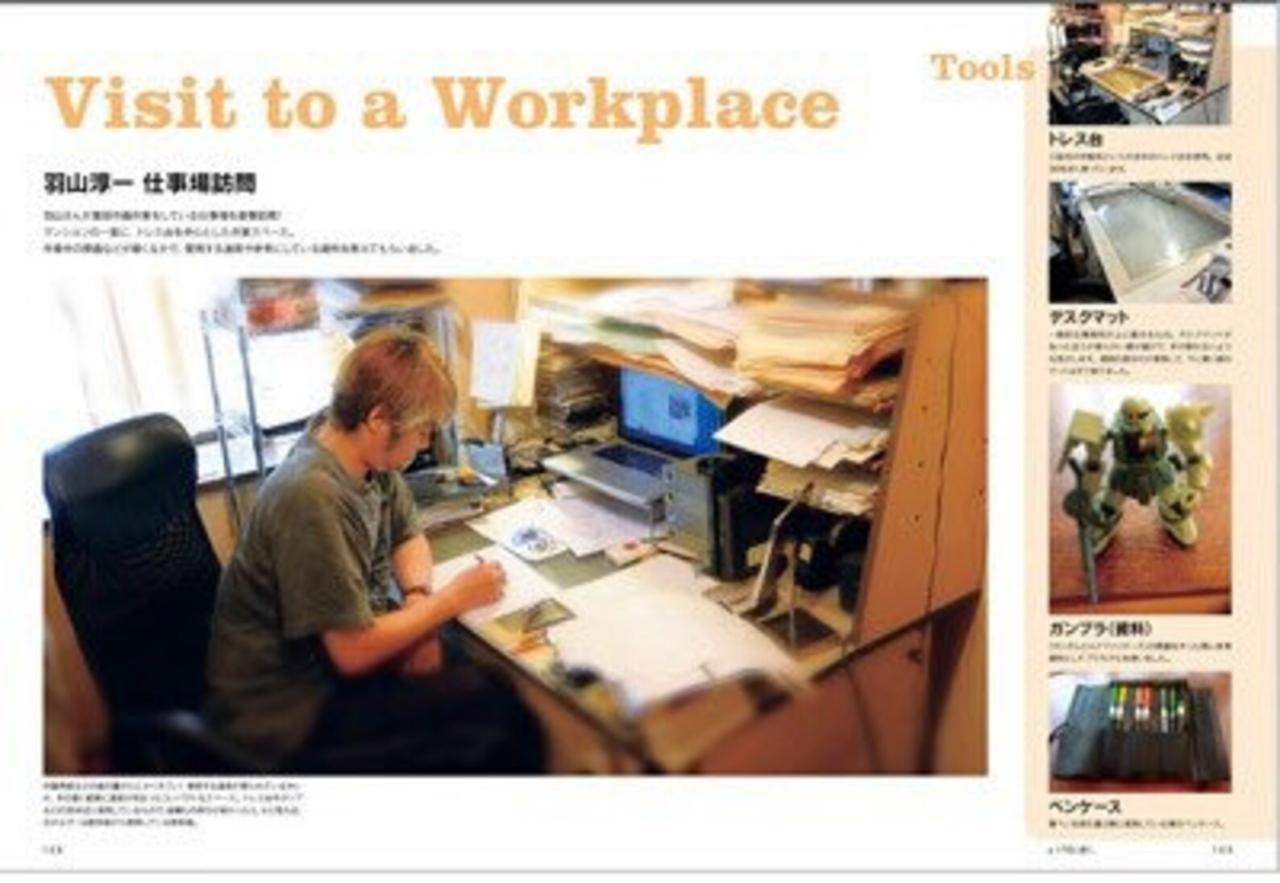
Traditional art tools provide a tactile experience that many artists find beneficial. The following list highlights essential traditional tools and their uses:
- Pencils: Various grades of graphite pencils are used for sketching and preliminary drawings, from hard (H) for fine lines to soft (B) for shading.
- Inking Pens: Fineliners, brush pens, and dip pens are essential for defining Artikels and adding intricate details.
- Markers: Alcohol-based markers are popular for coloring, providing vivid colors and blending capabilities.
- Watercolors: Ideal for softer, more fluid color applications, allowing for layering and gradients.
- Paper: Specialized manga or Bristol board is used for its smooth surface, which is suitable for pen work and erasing.
- Erasers: Kneaded and vinyl erasers help in correcting mistakes while preserving the integrity of the paper.
Digital Tools for Anime and Manga Art
Digital art tools offer a unique set of advantages, including ease of editing and the ability to work in layers. The following list Artikels critical digital tools utilized by anime and manga artists:
- Graphic Tablets: Devices like Wacom or Huion tablets provide pressure sensitivity and precision, essential for drawing.
- Software: Programs such as Clip Studio Paint, Adobe Photoshop, and Paint Tool SAI are tailored for digital illustration and enhance an artist’s workflow.
- Styluses: Sensitive and precise styluses enable detailed artwork creation on graphic tablets, mimicking traditional drawing experiences.
- Brush Packs: Customizable brushes in software allow for various artistic effects, from line art to textured coloring.
- Color Palettes: Digital applications often come with custom color palettes, facilitating quick access to preferred color schemes.
Advantages and Disadvantages of Digital versus Traditional Methods
Understanding the benefits and drawbacks of both digital and traditional art forms is crucial for artists to choose the method that best suits their needs.
“Digital art offers flexibility and ease of correction, while traditional art brings a unique authenticity and texture to the work.”
- Advantages of Digital Art:
- Undo/Redo functions enable quick corrections.
- Layer management allows for complex compositions without damaging earlier work.
- Access to an extensive array of tools and effects enhances creative possibilities.
- Digital storage eliminates physical space concerns.
- Disadvantages of Digital Art:
- Initial costs for hardware and software can be significant.
- May lack the personal touch and texture found in traditional works.
- Learning curve associated with software can deter beginners.
- Advantages of Traditional Art:
- Physical materials can create unique textures and depth.
- Artistic process can be more intuitive and immediate.
- No reliance on technology; accessible in all settings.
- Disadvantages of Traditional Art:
- Corrections can be challenging and may require starting over.
- Physical space is needed for materials and finished works.
- Limited ability to reproduce works compared to digital formats.
Materials and Their Purposes in Anime and Manga Creation
A well-curated selection of materials is vital for successful anime and manga art creation. Each material plays a specific role in the artistic process, reflecting the artist’s style and technique.
- Inking Materials: These include various types of pens and brushes that provide distinct line qualities and finishes, enhancing illustrations.
- Coloring Agents: Markers, watercolors, and digital color tools contribute to the vibrancy and mood of the artwork.
- Texturing Supplies: Special tools like sponges or stippling brushes add depth and richness to the art.
- Reference Books: Instructional materials or art books serve as inspirations to understand techniques and styles in anime and manga.
- Storage Solutions: Proper storage is essential to preserve physical artwork, including portfolios or archival boxes.
Understanding Character Design in Anime and Manga
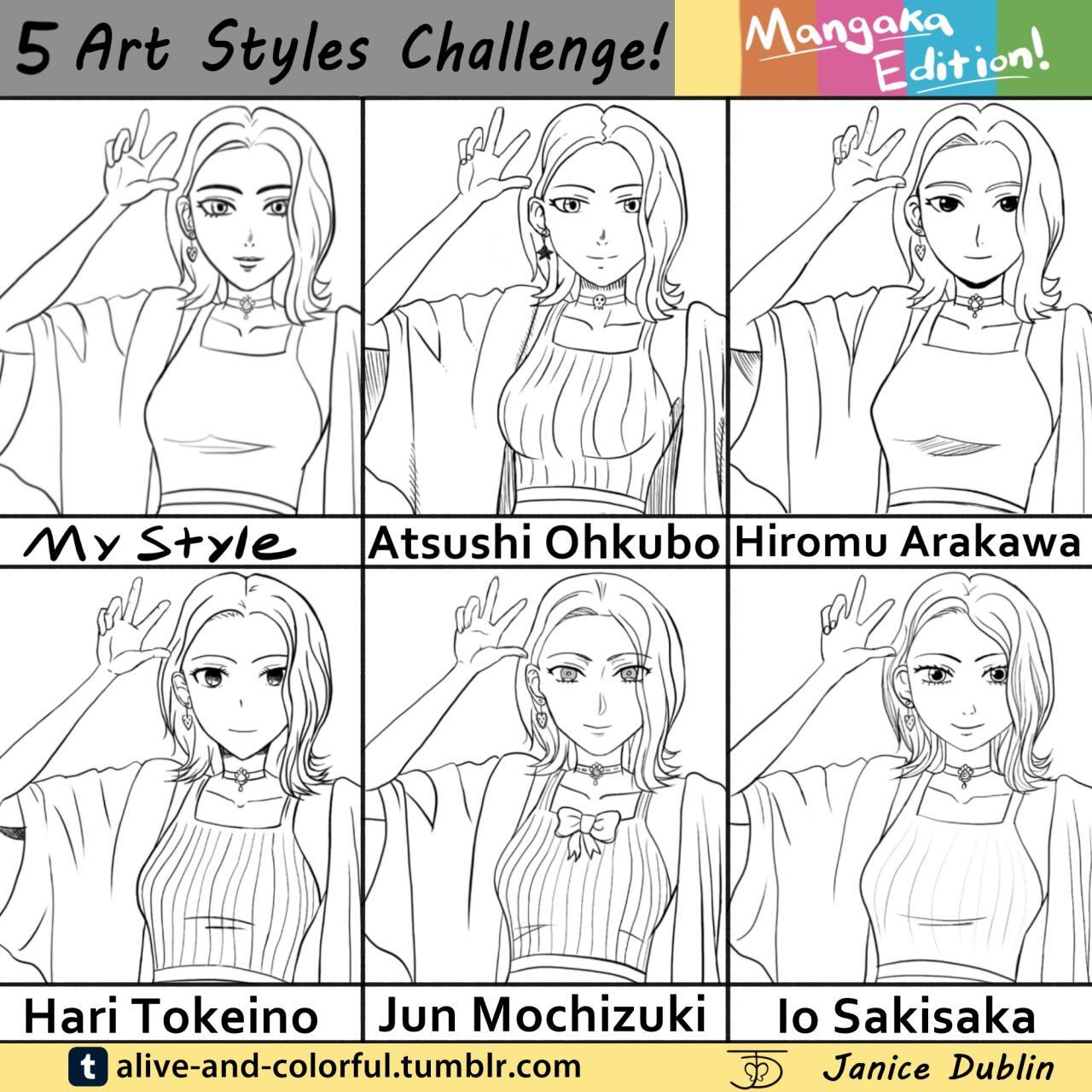
Character design is a pivotal element in the creation of anime and manga, serving as the visual and emotional cornerstone of storytelling. It encompasses the development of characters that resonate with the audience, embodying distinct personalities, backgrounds, and visual appearances. This section delves into the fundamental principles of character design, the methods for crafting unique characters, and the critical role of color theory in enhancing character aesthetics.
Fundamental Principles of Character Design
The essence of character design lies in understanding basic proportions and features that define anime and manga characters. Typical proportions often deviate from realism, with exaggerations that enhance expressiveness. For instance, characters may have oversized eyes to convey emotions vividly, while the body proportions may range from chibi styles, characterized by short limbs and large heads, to more realistic human-like structures.
Key principles include:
- Proportions: Standard anime characters often follow the 8-heads tall rule for adults, while chibi characters may be about 4 heads tall.
- Facial Features: Eyes are typically large and expressive, with detailed irises and highlights that reflect light, capturing attention.
- Body Structure: Slim waists and elongated limbs are common, complemented by stylized hairstyles that further enhance character identity.
Understanding these principles allows artists to create visually appealing characters that attract and retain viewer interest.
Creating Unique Characters
The process of creating unique characters in anime and manga involves thoughtful integration of personality traits and backstories. Characters should not only look distinct but also exhibit behaviors and motivations that resonate with the audience. This can be achieved through the following steps:
- Personality Traits: Define key traits, such as bravery, intelligence, or humor, that align with the character’s role in the narrative.
- Backstory Development: Craft a compelling backstory that explains the character’s motivations, experiences, and growth throughout the story.
- Relationships: Establish connections with other characters, which can influence their development and make them more relatable.
These methods enrich the character’s depth, making them memorable and engaging for viewers.
Importance of Color Theory in Character Design
Color theory plays an essential role in character design, influencing the emotional tone and audience perception of characters. The choice of colors can convey personality, mood, and thematic elements effectively. When designing characters, consider the following aspects of color usage:
- Color Psychology: Different colors evoke various feelings; for instance, red may signify passion or aggression, while blue can represent calmness or reliability.
- Color Harmony: Ensure that the color palette is cohesive, often utilizing complementary or analogous color schemes to create visual balance.
- Symbolism: Colors can symbolize specific traits or themes, such as green for growth or renewal, which can enhance character storytelling.
By thoughtfully applying color theory, artists can create characters that not only stand out visually but also resonate on a deeper emotional level with the audience.
Creating Dynamic Poses and Expressions
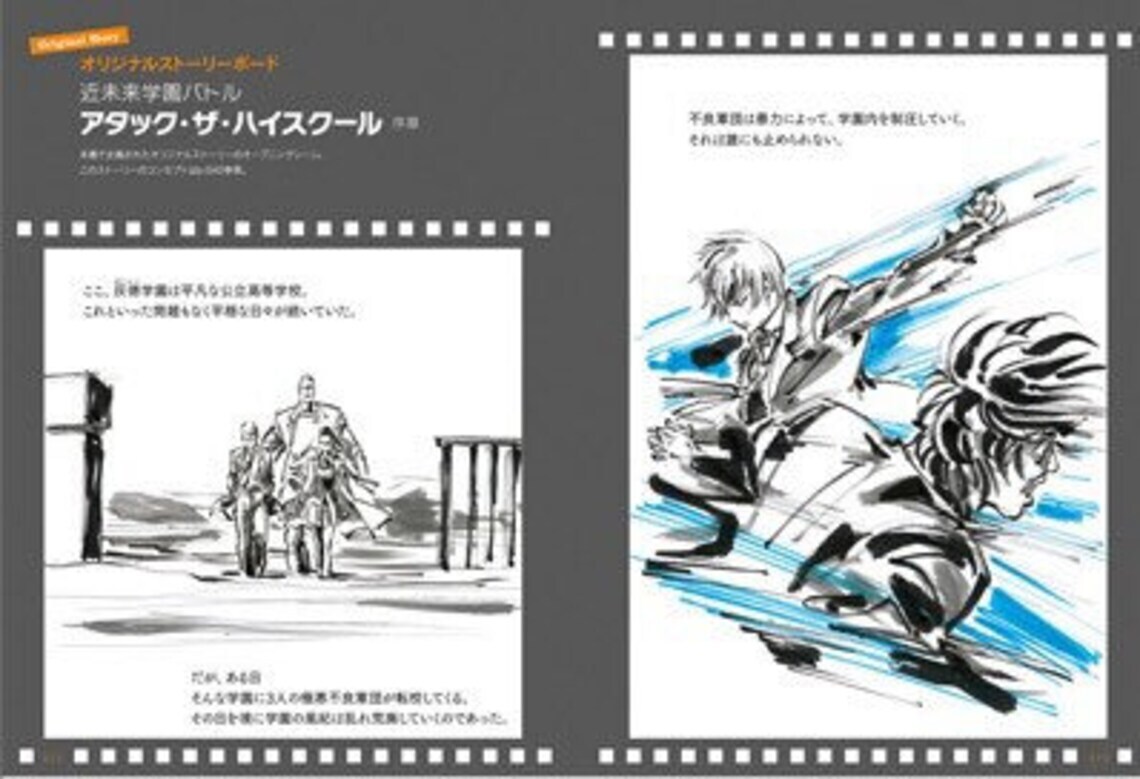
Dynamic poses and expressions are essential elements in anime and manga art that breathe life into characters and narratives. Capturing the essence of movement and emotion not only enhances the visual appeal but also deepens the audience’s connection to the artwork. This section will explore techniques for achieving fluid and dynamic poses, illustrate various facial expressions, and compare the impact of different pose references on storytelling.
Techniques for Achieving Fluid and Dynamic Poses
Creating fluid and dynamic poses involves understanding the principles of movement and the human body. Utilizing anatomical knowledge allows artists to depict characters in a way that feels both believable and captivating. One effective method is to employ the “line of action,” which is an imaginary line that runs through a character’s pose, guiding the overall direction and energy. In addition, artists should consider the following techniques:
- Gesture Drawing: Quick sketches that capture the essence of movement and posture can help artists understand how to represent dynamic poses accurately.
- Reference Images: Using references from life or photography can provide insight into how characters might move in various scenarios, aiding in the illustration of naturalistic poses.
- Exaggeration: Overemphasizing certain features can enhance the sense of action and energy, making poses more engaging and visually striking.
- Foreshortening: This technique involves depicting an object or figure in a picture in depth, creating a three-dimensional effect that enhances realism and dynamism.
Illustrating Facial Expressions and Emotions
Facial expressions are crucial for conveying emotions in anime and manga art. Artists can effectively illustrate a wide range of feelings through careful attention to facial features, head position, and eye shapes. Different emotions often manifest distinctly, allowing viewers to intuitively understand a character’s feelings.When illustrating emotions, consider the following examples of facial expressions:
- Happiness: Bright, wide eyes and a smiling mouth convey joy. The character may also have raised eyebrows and a slightly blushing complexion.
- Anger: Furrowed brows, narrowed eyes, and clenched teeth or a tight-lipped expression signify frustration or rage. The body language may also become tense, further emphasizing the emotion.
- Sadness: Downturned eyes and a frown can express sorrow. Drooping shoulders and a slightly bowed head may accompany this expression, enhancing the feeling of despair.
- Surprise: Wide eyes and an open mouth depict shock or amazement. The eyebrows often arch upwards, emphasizing the suddenness of the emotion.
Impact of Pose References on Storytelling
The choice of pose not only affects the aesthetic qualities of an artwork but also plays a crucial role in storytelling. Different poses can convey various narratives and emotions, influencing how viewers perceive characters and their relationships. For instance, a character standing tall with an open stance can suggest confidence and power, while a slouched figure may imply defeat or insecurity.
Observing how poses change in context can significantly alter the interpretation of a scene. Here are additional considerations regarding pose references:
- Action Scenes: Dynamic poses in action scenes can heighten tension and excitement, making the story more engaging.
- Character Relationships: The proximity and posture between characters can highlight their relationship dynamics, such as intimacy, conflict, or camaraderie.
- Environmental Context: Poses that interact with the surrounding environment can enhance the storytelling experience, providing clues about the character’s situation or emotional state.
Background and Environment Design
The backgrounds in anime and manga play a crucial role in establishing the setting and enhancing the overall storytelling experience. They serve not only as a visual foundation for the characters but also as a narrative tool that can convey mood, time, and place. A well-designed background can elevate a scene, providing context that enriches the characters’ experiences and actions.Creating environments that complement the character actions involves a thoughtful approach to design.
The background should align with the story’s emotional tone and thematic elements. For example, a vibrant cityscape can reflect excitement and energy, while a serene landscape may evoke tranquility or introspection. Key considerations in background design include perspective, color palettes, and the integration of environmental details that interact with the characters’ movements and emotions.
Common Elements in Anime and Manga Backgrounds
In designing backgrounds for anime and manga, certain elements are frequently utilized to create immersive environments. Below is a list of commonly used elements that can enhance the visual storytelling:
- Landscapes: Natural scenery such as mountains, forests, and rivers that create a sense of place.
- Urban Settings: Buildings, streets, and parks that reflect modern life and societal dynamics.
- Sky and Weather: Varying designs of skies and weather conditions that influence the mood, such as sunny days, starry nights, or ominous storm clouds.
- Architecture: Specific styles that represent different cultures or time periods, contributing to world-building.
- Props and Furniture: Elements within a scene that ground characters in their environment, adding realism and detail.
- Lighting and Shadows: Techniques that enhance depth and dimension, creating a more lifelike appearance.
- Textures: Detailed surfaces that add richness to backgrounds, such as rough stone walls or smooth glass windows.
The integration of these common elements into backgrounds is essential for creating engaging environments that resonate with the audience. Each component contributes to the visual narrative and plays an integral role in the storytelling of anime and manga.
Mastering Coloring Techniques
Coloring is a fundamental aspect of anime and manga art that brings characters and scenes to life. Mastering effective coloring techniques not only enhances visual appeal but also conveys emotions and mood. By understanding various coloring methods and their applications, artists can create rich and immersive artworks that resonate with viewers.A variety of coloring techniques are commonly used in anime and manga art, including cel shading and gradients.
Each technique serves a distinct purpose and can dramatically alter the appearance of the artwork. The choice of technique often depends on the desired aesthetic and the specific needs of the characters or scenes being illustrated.
Cel Shading and Gradients
Cel shading is a popular technique characterized by its flat, bold colors and stark contrasts. This method simplifies the shading process by using large blocks of color instead of gradual transitions, maintaining a clean and defined look. Cel shading is effective in creating a dynamic appearance, particularly in character design, where it highlights the features without overwhelming with detail. On the other hand, gradients allow for smoother transitions between colors, providing a more realistic depiction of light and depth.
Gradients can enhance the three-dimensionality of objects, making them appear more lifelike. This technique is especially useful in background elements and environmental designs, where subtle shifts in color can create atmospheric effects.
The Significance of Lighting and Shadows
Lighting and shadow play a crucial role in the coloring process, as they dramatically influence the mood and interpretation of a scene. Properly executed lighting can draw attention to focal points, while shadows can add depth and dimension. Artists must consider the light source, its intensity, and the direction when applying colors to their work. A well-placed highlight can enhance a character’s features or an object’s texture, while strategically applied shadows can provide contrast and aid in visual storytelling.
For example, a character illuminated by a warm light source might exhibit softer, warmer tones, while shadows can convey mood changes or signify tension within the narrative.
Creating a Color Palette
Developing a cohesive color palette is essential for maintaining consistency throughout a character or scene. A well-thought-out color palette helps unify the artwork and ensures that the colors work harmoniously together. To create a color palette, consider the following steps:
1. Research and Inspiration
Gather inspiration from existing works, nature, or color theory. Identify the emotions and themes you want to convey.
2. Base Colors
Select a few base colors that represent the main elements of your character or scene. These should be the primary colors used throughout the artwork.
3. Shades and Tints
For each base color, create a range of shades (darker versions) and tints (lighter versions). This variety allows you to apply depth and dimension effectively.
4. Accent Colors
Choose one or two accent colors that complement your base colors. These can be used to highlight specific features or add interest without overwhelming the overall palette.
5. Testing Compatibility
Apply the colors to a small test area of your artwork to see how they interact. Adjust as necessary to ensure they work well together.By following these steps, artists can establish a strong foundation for their coloring work, ensuring that their characters and scenes have a visually appealing and cohesive look.
Incorporating Text and Effects
Integrating text and effects into anime and manga art is essential for enhancing storytelling and visual engagement. Text elements like dialogue and sound effects bring characters and scenes to life, while visual effects emphasize emotions and actions. Understanding the proper techniques for incorporating these elements can significantly elevate the quality of your artwork.
Integrating Text Elements
Effective integration of text, such as dialogue and sound effects, requires careful consideration of placement, size, and style. The text should complement the artwork without overpowering it. When positioning dialogue, consider the flow of the scene and the characters’ emotional states. Sound effects are typically bold and dynamic, designed to capture attention and enhance the action depicted in the artwork.To achieve this, follow these guidelines:
- Placement: Position dialogue bubbles close to the speaking character, ensuring they do not obstruct important visual elements.
- Size: Use varying text sizes to indicate volume; larger text can signify shouting, while smaller text can suggest whispering.
- Styling: Choose typography that reflects the tone of the dialogue; playful fonts for humorous scenes or bold fonts for dramatic moments.
Creating Impactful Visual Effects
Visual effects are crucial for conveying movement, emotion, and atmosphere in anime and manga art. Techniques for creating these effects include the use of motion lines, speed lines, and impact bursts, which help to depict action and intensity. Incorporating effects can be done through the following methods:
- Motion Lines: Use lines that radiate from moving objects or characters to indicate speed and direction.
- Impact Effects: Create bursts or shockwaves around characters or objects to enhance the effect of actions, such as punches or explosions.
- Background Effects: Add elements like blurred backgrounds or gradient overlays to create depth and emphasize focus on the main subject.
Common Typography Styles
Typography plays a significant role in conveying tone and enhancing the overall aesthetic of the artwork. Various styles are commonly utilized in anime and manga, each serving a distinct purpose.The following typography styles are prevalent:
- Comic Sans: Often used for light-hearted or humorous dialogues, providing a casual and friendly feel.
- Gothic Fonts: Best suited for dramatic and intense scenes, these fonts convey a sense of seriousness and urgency.
- Handwritten Fonts: Employed for personal touches, such as thoughts or informal dialogue, making the text feel more relatable.
Including well-integrated text and effects not only enhances visual storytelling but also helps to maintain the unique style characteristic of anime and manga art. Through practice and experimentation, artists can master these elements to create captivating and immersive works.
Tips for Storyboarding and Composition
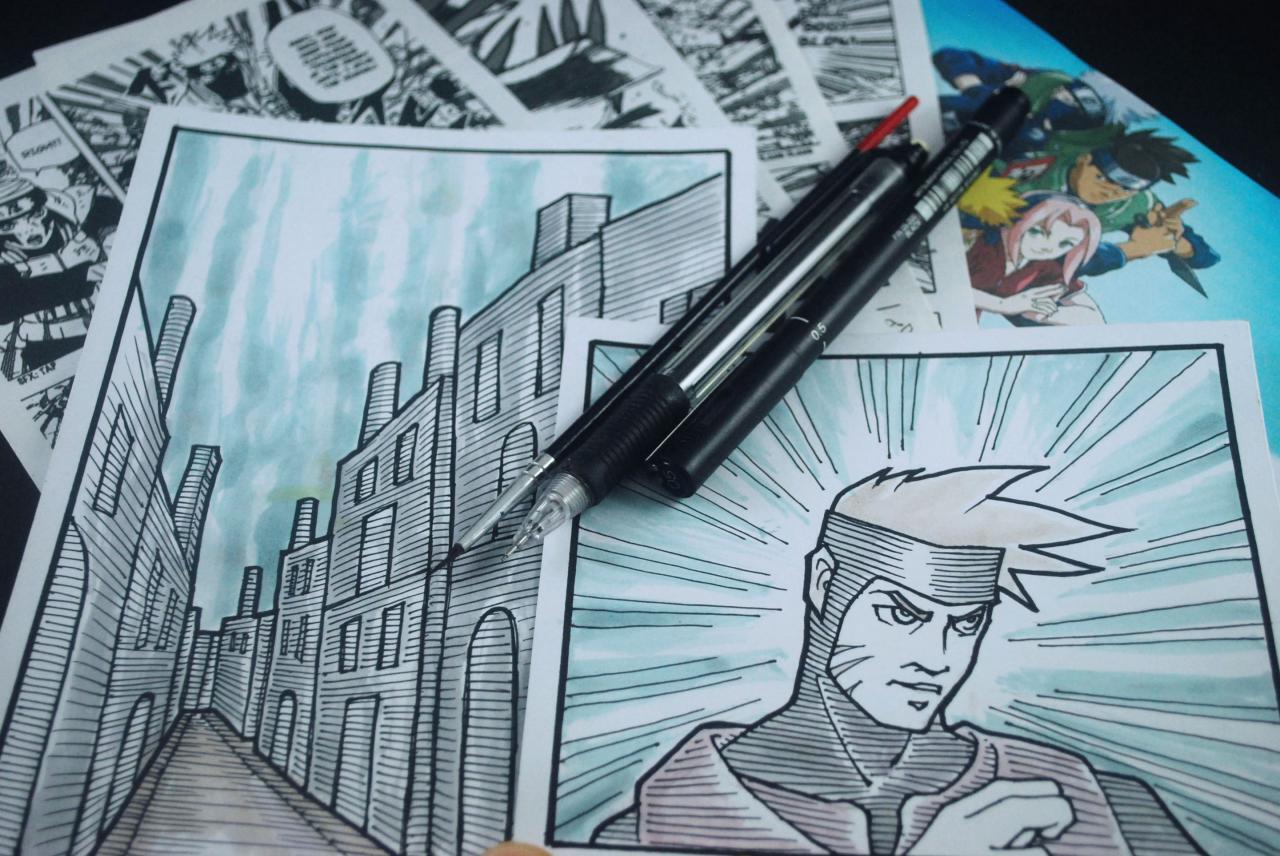
Creating compelling manga and anime art requires a well-structured approach to storyboarding and composition. Storyboarding serves as the blueprint for the visual narrative, allowing artists to plan scenes effectively and convey emotions, actions, and the overarching storyline clearly. This process not only enhances the flow of the artwork but also guides the viewer’s eye through each panel, ensuring an engaging experience.Composition involves arranging elements within a frame to create a cohesive and aesthetically pleasing scene.
Effective layouts guide the viewer’s gaze and emphasize key components of the story. Understanding common composition techniques is essential for artists aiming to polish their manga or anime style.
Storyboarding Process for Manga and Anime Scenes
The storyboarding process for manga and anime involves several critical steps that help transform a narrative into visual storytelling. The following points Artikel key components of this process:
- Script Development: Begin by writing a detailed script that includes dialogue, scene descriptions, and character actions. This foundation is crucial for a coherent storyboard.
- Thumbnail Sketches: Create small, rough sketches (thumbnails) of each scene to visualize the layout and pacing without detailing. This allows for quick adjustments and brainstorming.
- Panel Planning: Decide on the number of panels for each page. Consider panel size and shape, as these can influence how the viewer’s eye moves across the page.
- Scene Breakdown: Break down each scene into individual actions and emotions, ensuring that pivotal moments are highlighted within the storyboard.
- Revision and Feedback: Review the storyboard with peers or mentors for constructive criticism. Iteration based on feedback is vital for refining the narrative flow.
Techniques for Effective Layouts
Creating an effective layout is essential for guiding the viewer’s eye and ensuring that the story is communicated clearly. The following techniques are commonly employed:
- Rule of Thirds: Divide the frame into thirds, both horizontally and vertically, placing key elements along these lines or at their intersections to create balance and focus.
- Leading Lines: Use lines within the artwork, such as roads or pathways, to direct the viewer’s gaze toward focal points.
- Framing: Incorporate natural frames, such as trees or buildings, around the subject to draw attention and create depth.
- Contrast and Color: Utilize contrasting colors or shades to highlight important elements, allowing them to stand out from the background.
- Visual Hierarchy: Establish a hierarchy by varying the size and placement of elements, ensuring that the most important aspects of the scene are the most noticeable.
Common Composition Techniques in Anime and Manga Art
Various composition techniques can enhance the visual impact of manga and anime art. Familiarizing oneself with these can improve storytelling and artistic expression:
- Dynamic Angles: Employing unusual perspectives or angles can create a sense of movement and energy in a scene, making it more engaging for the viewer.
- Close-ups and Extreme Close-ups: These techniques are effective for conveying emotion and detail, allowing viewers to connect with characters on a deeper level.
- Negative Space: Utilize negative space effectively to prevent clutter, allowing the main subject to stand out and providing the viewer with a moment of visual rest.
- Symmetry and Asymmetry: Balance the composition with symmetrical elements for harmony or asymmetrical arrangements for a more dynamic feel, depending on the desired effect.
- Motion Lines: Incorporate motion lines to illustrate speed and action, enhancing the perception of movement within the artwork.
Effective storyboarding and composition are fundamental components in anime and manga art, greatly influencing how narratives are perceived and experienced.
Resources for Learning and Improving Skills
Aspiring artists in the anime and manga realm have an abundance of resources available to enhance their skills and refine their craft. The journey of mastering these art styles requires not only dedication but also the right tools and guidance. By utilizing both structured learning and community engagement, artists can effectively progress in their artistic pursuits.A variety of resources can greatly contribute to an artist’s growth.
These resources range from online courses and books focusing on specific techniques to interactive communities where feedback can be shared and constructive criticism can flourish. Engaging with these materials and communities is essential for continuous improvement in one’s artistic journey.
Online Courses and Books
Several well-regarded online platforms offer courses specifically tailored for anime and manga art styles. These courses often include instructional videos, assignments, and peer feedback, which are invaluable for developing technical skills and artistic understanding. The following are notable resources:
- Skillshare: Offers various anime and manga art classes covering character design, coloring techniques, and digital art software.
- Udemy: Features a range of courses focusing on specific skills such as dynamic posing, background creation, and anatomy for manga artists.
- Books: Essential reads include “Mastering Manga” by Mark Crilley, which provides detailed techniques for beginners, and “How to Draw Anime” by the Anime Artist Academy, which focuses on character creation and storytelling through art.
Communities and Forums
Connecting with fellow artists is crucial for growth and feedback. Various online communities and forums provide spaces for artists to share their work, receive constructive criticism, and engage in discussions about techniques and styles. Recommended platforms include:
- DeviantArt: A platform where artists can showcase their work, receive feedback, and connect with a community of like-minded creators.
- ArtStation: A professional community that allows artists to display portfolios and engage with industry professionals.
- Reddit: Subreddits like r/AnimeArt and r/manga provide a platform for critiques and sharing resources among enthusiasts.
Importance of Practice and Critique
Regular practice is fundamental in developing any artistic skill. Engaging in consistent drawing and experimentation with new techniques leads to improvement over time. A structured practice routine can include the following components:
- Daily Sketching: Setting aside time each day for sketching can help solidify skills and reinforce muscle memory.
- Study from Life and References: Observing real-life subjects and referencing other artworks allows artists to understand anatomy, perspective, and styles better.
- Seek Critique: Actively seeking feedback from peers or mentors can provide insights that are often missed in self-evaluation.
“Art is not freedom from discipline, but disciplined freedom.” – John F. Kennedy
Incorporating these resources and practices into your artistic journey will foster growth and creativity, ultimately leading to mastery in anime and manga art styles.
Ultimate Conclusion
In conclusion, the journey of creating art in an anime or manga style is both rewarding and enriching, allowing artists to express themselves while honing their skills. By embracing the principles discussed, from character creation to effective storytelling through visuals, aspiring artists can find their unique voice within this captivating genre. With dedication and practice, the world of anime and manga art can be an avenue for limitless creativity.