How to Develop Your Own Unique Art Style invites aspiring artists to embark on a transformative journey, merging personal experiences with artistic expression. In this exploration, we delve into the essence of art styles, examining their historical significance and how individual narratives shape them. From identifying sources of inspiration to adopting experimentation techniques, this comprehensive approach fosters an enriching environment for artists to cultivate their distinctive voices.
Throughout our discussion, we will uncover practical methods for self-reflection, community engagement, and marketing strategies, all aimed at helping you to not only create a cohesive body of work but also to connect deeply with your audience. By embracing the diverse facets of artistic development, you can truly refine and evolve your unique style.
Understanding Art Styles
Art styles serve as a distinctive visual language through which artists express their emotions, concepts, and perspectives. An art style encompasses the specific techniques, materials, and thematic elements that characterize an artist’s work, influencing how audiences interpret and engage with the art. The significance of art styles lies in their ability to reflect cultural values, historical moments, and individual creativity, establishing a framework within which artists can innovate and communicate effectively.Throughout history, a multitude of art styles has emerged, each marked by unique characteristics and cultural influences.
Understanding these styles provides insight into the evolution of art and its impact on society. Notable styles include:
Types of Art Styles Throughout History
The evolution of art styles is integral to understanding the cultural and historical context of artistic expressions. The following are key art styles that have shaped the art world:
- Renaissance: Characterized by a revival of classical learning and aesthetics, Renaissance art focused on realism, perspective, and human emotion. Prominent artists such as Leonardo da Vinci and Michelangelo exemplified this style through their mastery of anatomy and spatial composition.
- Baroque: Known for its dramatic use of light and shadow, Baroque art evoked emotion and tension. Artists like Caravaggio and Rembrandt used chiaroscuro to enhance the theatricality of their subjects.
- Impressionism: Emerging in the late 19th century, Impressionism marked a departure from traditional techniques, focusing on the effects of light and color. Artists such as Claude Monet captured fleeting moments in their artworks, emphasizing spontaneity.
- Modernism: Encompassing various movements like Cubism and Surrealism, Modernism sought to break away from realism and traditional forms. Artists like Pablo Picasso and Salvador Dalí experimented with abstraction and unconventional representations of reality.
- Contemporary Art: Encompassing various styles and media, contemporary art reflects current societal themes and challenges traditional boundaries. Artists like Damien Hirst and Yayoi Kusama explore concepts of identity, technology, and consumerism in their work.
Personal experiences play a crucial role in shaping an artist’s unique style. An artist’s background, cultural influences, and individual life events contribute to their artistic expression, resulting in a distinct voice that resonates through their work. The interplay between personal experiences and artistic development manifests in various ways:
Influence of Personal Experiences on Art Style
The relationship between an artist’s life and their artistic style is profound and multifaceted. Several factors contribute to this dynamic:
- Cultural Background: An artist’s heritage and upbringing can deeply influence their thematic choices, subject matter, and techniques. For instance, artists from indigenous backgrounds may incorporate traditional motifs and storytelling into their works.
- Life Experiences: Significant life events, such as travel, relationships, or trauma, can inspire an artist’s work and inform their stylistic choices. The emotional weight of personal narratives can lead to the creation of deeply resonant art.
- Education and Training: Formal training can shape an artist’s technical skills, but exposure to diverse influences—such as different art movements and philosophies—can lead to an eclectic, evolving style that blends various elements.
- Social and Political Context: The environment in which an artist works, including socio-political issues, often impacts their artistic direction. Artists may respond to current events through their art, reflecting their views or provoking thought.
Through the continuous interaction of these factors, artists cultivate a distinctive style that not only communicates their personal vision but also engages with broader cultural conversations.
Sources of Inspiration
Art is a reflection of the world around us, and finding inspiration is essential for developing a unique art style. Inspiration can be derived from various sources, ranging from nature and everyday life to the rich tapestry of cultures and historical art movements. Engaging with these elements not only enhances creativity but also fosters a deeper understanding of the personal experiences that shape one’s artistic voice.
Observing and interpreting the world around you is a crucial method to fuel your creative process. By being attentive to the details of your surroundings, you can discover intricate patterns, colors, and forms that resonate with you. Documenting these observations through sketches, photographs, or notes can serve as a valuable reference for your artistic practice. This practice enhances one’s ability to translate observed beauty into visual representations that reflect individual perception.
Observation Techniques
Employing specific observation techniques can greatly enrich your ability to draw inspiration from the world. Below are methods to enhance your observational skills:
- Sketching Daily: Committing to sketching every day, even simple objects or scenes, sharpens your ability to notice details and nuances in your environment. This habit encourages spontaneity and experimentation.
- Mindful Photography: Taking photographs with a mindful approach allows you to capture fleeting moments and unexpected compositions. It can help in identifying interesting color palettes and textures that may inform your art.
- Nature Walks: Spending time in nature cultivates awareness of organic forms and color variations. Observing different times of day and seasons can lead to a deeper understanding of light and shadow.
- Cultural Exploration: Engaging with different cultures through travel or research broadens your perspective. Exploring traditional art forms and techniques can inspire new ideas and methods in your own work.
Studying the techniques of other artists also plays a critical role in developing your unique art style. By analyzing and understanding their approaches, you can incorporate elements that resonate with you while also distinguishing your artistic voice. Observing artists from various backgrounds and styles offers insights into their creative processes, allowing for a richer understanding of diverse artistic expressions.
“Art is not what you see, but what you make others see.”
Edgar Degas
In conclusion, the journey to creating a unique art style is deeply intertwined with the sources of inspiration encountered in everyday life and through the study of other artists. Embracing observation techniques and learning from the world ensures a continuous flow of ideas and creativity that is essential for artistic growth.
Experimentation Techniques
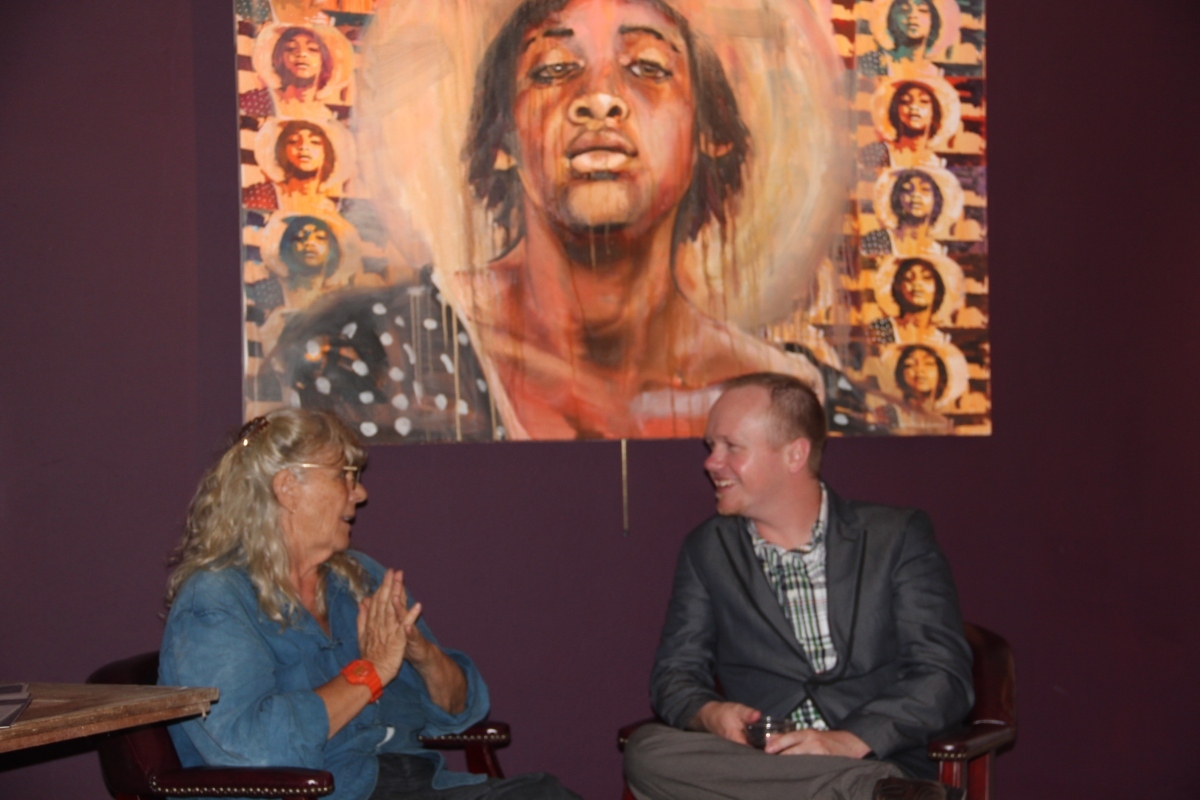
Experimentation is a vital aspect of artistic development, allowing artists to explore and refine their unique styles. Through various techniques, artists can push the boundaries of their creativity, leading to personal discoveries and innovative expressions. The following sections Artikel diverse approaches to experimentation that can inspire and enhance an artist’s journey.
List of Experimental Techniques for Discovering New Styles
Exploring new techniques can significantly broaden an artist’s artistic repertoire. The following list presents various experimental methods that can help artists discover and develop their unique styles:
- Color Exploration: Experiment with unconventional color palettes to evoke different emotions and atmospheres in your artwork.
- Texture Play: Integrate various materials such as fabric, sand, or found objects to create unique textures and layers in your pieces.
- Unorthodox Tools: Use tools not typically associated with art, such as kitchen utensils or natural objects, to create unexpected marks and patterns.
- Digital Manipulation: Explore digital tools or apps to alter traditional art forms, merging analog and digital techniques for innovative outcomes.
- Artistic Constraints: Set specific limitations, such as using only two colors or a single medium, to spark creativity and encourage innovative problem-solving.
Mixing Different Artistic Mediums
The integration of various mediums can lead to distinctive art styles that encapsulate the strengths of each material. Combining mediums allows artists to explore new dimensions in their work, fostering originality. The process of mixing different artistic mediums typically involves several steps:
1. Selection of Mediums
Choose complementary mediums that can enhance each other’s qualities, such as acrylic paint and ink or charcoal and watercolor.
2. Layering Techniques
Begin by applying one medium as the base layer, allowing it to dry before introducing the next layer. This method allows for depth and complexity.
3. Blending Methods
Use brushes, sponges, or fingers to blend mediums where appropriate, facilitating smooth transitions and harmonious compositions.
4. Experimentation with Effects
Test how different mediums react with one another, such as applying water to acrylics to create washes or using oil pastels over charcoal for added vibrancy.
5. Documenting the Process
Keep a record of techniques, successes, and failures, which can serve as a reference for future projects and personal growth.
Role of Play in Developing Artistic Skills and Styles
Play serves as a powerful catalyst in the artistic process, encouraging exploration and experimentation without the constraints of judgment. Engaging in playful activities can enhance creativity and foster the development of unique artistic styles. The significance of play in art can be summarized as follows:
“Play is the highest form of research.” – Albert Einstein
1. Creative Freedom
Play allows artists to experiment with ideas freely, often leading to unexpected results that can become foundational to their style.
2. Reduction of Pressure
This approach alleviates the pressure to create a “perfect” piece, focusing instead on the joy of creation and discovery.
3. Inspiration from Mistakes
Mistakes made during playful exploration often lead to new techniques or concepts that can evolve into distinct artistic styles.
4. Enhanced Problem-Solving
Engaging in playful experimentation encourages flexible thinking and innovative solutions, allowing artists to overcome creative blocks.
5. Community Engagement
Participating in collaborative play with other artists can provide diverse perspectives and inspire new artistic directions. Through these methods of experimentation, artists can not only refine their skills but also embark on a fulfilling journey toward discovering their unique artistic voice.
Personal Reflection and Growth

Self-reflection is a crucial component of artistic development, providing artists with the insight needed to understand their progress and areas for improvement. Engaging in self-reflection allows artists to connect their emotional responses to their work, facilitating a deeper awareness of their personal style and the evolution of their creative expression. This process not only fosters growth but also encourages the exploration of new ideas and the willingness to embrace change.Documenting artistic progress over time can significantly enhance an artist’s journey.
Keeping a record of artwork, sketches, and even thoughts about each piece can provide valuable insights into one’s development. This documentation might include maintaining a sketchbook, creating a digital portfolio, or journaling about the artistic process. The following strategies can aid in effectively tracking progress:
Strategies for Documenting Artistic Progress
To ensure a comprehensive record of artistic growth, consider implementing the following strategies:
- Maintain a dedicated sketchbook or journal to capture ideas, techniques, and daily reflections on your art-making process.
- Create a digital portfolio that showcases your artwork chronologically, allowing you to visually assess your evolution as an artist.
- Regularly review older works to identify patterns, strengths, and areas that require improvement, which enhances self-awareness and informs future projects.
- Set specific artistic goals and document your achievements as you reach them, providing motivation and a sense of accomplishment.
Overcoming creative blocks is an inevitable aspect of an artist’s journey. These periods of stagnation can be frustrating, but they also present opportunities for growth and experimentation. Embracing change in style can invigorate an artist’s work and lead to unexpected discoveries. The following methods can assist artists in navigating creative blocks:
Methods for Overcoming Creative Blocks
To effectively manage creative blocks and encourage stylistic evolution, consider the following approaches:
- Engage in activities outside of art, such as reading, traveling, or exploring new hobbies, which can provide fresh perspectives and inspiration.
- Experiment with different mediums or techniques that you have not tried before, as this can spark new ideas and reignite passion for creating.
- Establish a routine that includes regular practice, which helps maintain momentum and reduces the likelihood of prolonged creative lulls.
- Collaborate with other artists to exchange ideas and inspiration, fostering a supportive environment that encourages experimentation and change.
“Artistic growth often thrives in the face of challenges; therefore, embracing change and overcoming obstacles are essential to developing a unique art style.”
Building a Cohesive Body of Work
Developing a unique art style is just the beginning of an artist’s journey. To truly express this style and make a lasting impact, it is essential to build a cohesive body of work. A unified collection not only showcases an artist’s vision but also creates a memorable experience for the viewer. In this section, we will explore effective strategies to organize your artwork, construct a compelling portfolio, and curate pieces for exhibitions or digital platforms.
Organizing Art Pieces to Reflect a Unified Style
To create a cohesive body of work, artists must focus on how their individual pieces interact with and complement one another. This involves considering aspects such as color palette, themes, and techniques. A well-organized collection can convey a narrative or mood that resonates with the audience. Here are key strategies to achieve this:
Select a Central Theme
Choose a theme that reflects your artistic vision. This could be based on personal experiences, social issues, or aesthetic preferences. Maintaining this theme throughout your work establishes a sense of continuity.
Maintain Consistency in Techniques
Utilize similar techniques across your pieces. Whether it’s a particular painting method, medium, or texture, this consistency will unify your work and make it instantly recognizable.
Harmonize Color Choices
A consistent color palette can create a visually cohesive body of work. Select a range of colors that complement each other and use them throughout your pieces to reinforce your unique style.
Create Series or Collections
Group your artworks into series that explore different facets of your chosen theme. This approach not only organizes your work but also invites viewers to engage more deeply with your artistic concept.
Creating a Portfolio that Showcases a Unique Style
A well-constructed portfolio is crucial for any artist aiming to effectively represent their unique style. It serves as a visual resume that communicates an artist’s capabilities and artistic journey. When creating your portfolio, consider the following elements:
Curate Select Works
Choose pieces that best exemplify your style and skill. Aim for a balance between well-known works and recent creations to provide insight into your artistic evolution.
Organize by Theme or Medium
Structure your portfolio in a way that highlights either thematic connections or diversity in mediums. This organization helps create a narrative flow that guides the viewer through your work.
Include Artist Statements
Accompany each body of work with brief artist statements that explain your intentions, techniques, and concepts. This provides context and deepens the viewer’s understanding of your artistic process.
Utilize Professional Presentation
Ensure that your portfolio is presented professionally, whether it be in physical format or online. High-quality images, clean layouts, and clear labels enhance the overall impression of your work.
Curating Works for Exhibitions or Online Platforms
The process of curating artwork for exhibitions or digital platforms requires thoughtful consideration to ensure your unique style is effectively communicated. Here are essential tips for successful curation:
Select Works that Complement Each Other
When curating for a specific exhibition or online showcase, choose works that enhance one another. Consider how the pieces interact in terms of color, theme, and scale to create a harmonious viewing experience.
Create an Engaging Layout
The arrangement of artworks is crucial in both physical and digital spaces. In exhibitions, spatial relationship matters; consider sightlines and how viewers will navigate through the collection. For online platforms, utilize grids or galleries that guide the viewer’s experience.
Prepare Contextual Information
Provide background information about the exhibition theme or your artistic journey. Including details about the individual works, such as titles and mediums, helps viewers engage more thoughtfully.
Utilize Feedback
Seek input from peers or mentors during the curation process. Constructive feedback can provide fresh perspectives and enhance the overall impact of your presentation.
Building a cohesive body of work is not merely about aesthetics; it is about crafting a narrative that invites the viewer into your artistic world.
Feedback and Community Engagement
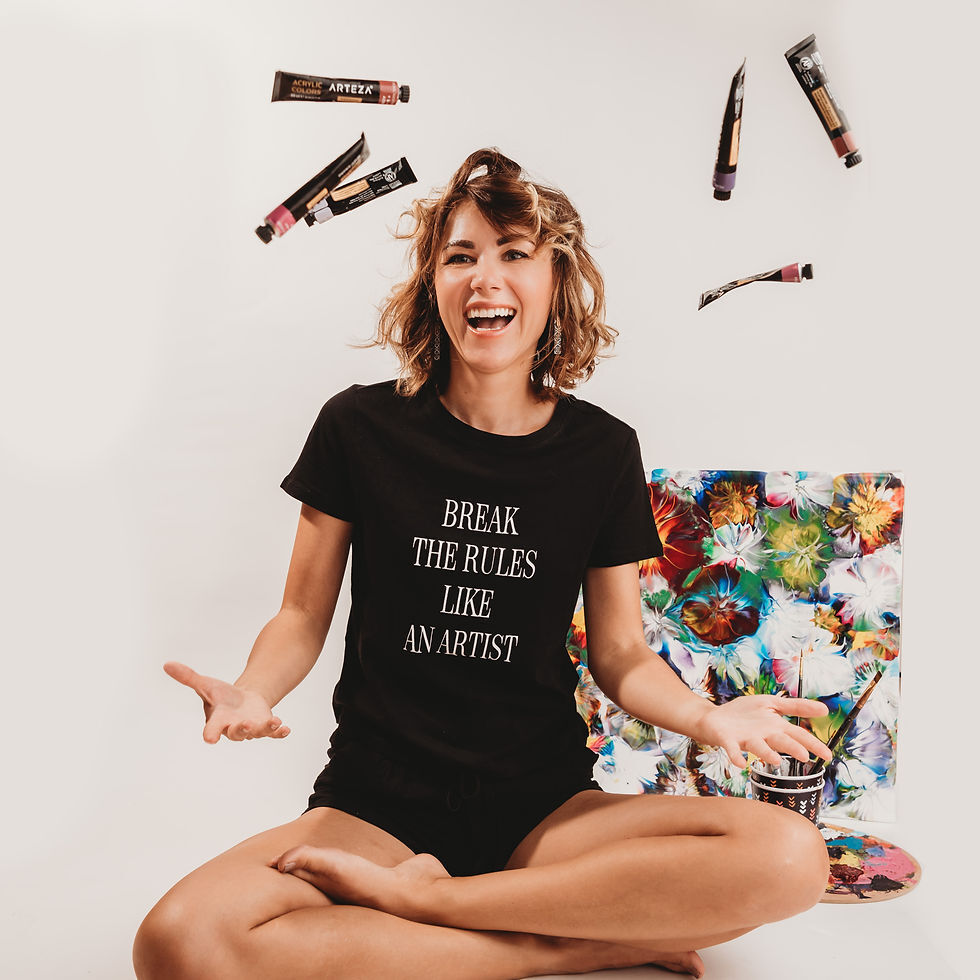
Engaging with peers and mentors is essential for artists seeking to refine their unique art style. Constructive feedback and active participation in art communities can significantly enhance personal growth and creativity. By embracing collaboration and critique, artists can discover new perspectives, experiment with ideas, and deepen their understanding of art.
Seeking Constructive Feedback
Receiving constructive feedback is a critical part of the artistic process. This feedback can help artists identify their strengths and areas for improvement. Strategies for effectively seeking feedback include:
- Creating a Network: Build relationships with fellow artists, mentors, and instructors who understand your artistic goals. Regularly share your work with them for insightful critique.
- Participating in Workshops: Engage in workshops or critique sessions where artists can present their work and receive feedback in a supportive environment.
- Utilizing Online Platforms: Use social media and online art forums to share your art and request feedback from a broader audience. Websites like DeviantArt and Behance are excellent for this purpose.
- Specific Feedback Requests: When seeking feedback, be specific about what areas you would like critiqued. This focused approach encourages more useful responses.
Role of Art Communities
Art communities play a pivotal role in the evolution of an artist’s style. These communities provide a platform for sharing ideas, experiences, and techniques among artists of all skill levels. Benefits of engaging with these communities include:
- Fostering Inspiration: Being part of an art community can expose artists to diverse styles and techniques, sparking new ideas and inspirations.
- Encouragement and Motivation: The support and camaraderie found within art communities can motivate artists to persist in their creative journeys, especially during challenging times.
- Access to Resources: Art communities often share resources such as tutorials, workshops, and exhibitions, offering valuable opportunities for learning and growth.
- Networking Opportunities: Participation in art events and communities can lead to collaborations and partnerships that further develop an artist’s style.
Collaborative Projects
Engaging in collaborative projects is an excellent way to encourage personal style evolution. These projects can serve as a bridge for artists to experiment with their techniques while working alongside others. Collaborative ideas include:
- Joint Art Exhibitions: Partner with other artists to create a themed exhibition that showcases each artist’s interpretation of a common concept.
- Collaborative Murals: Work with a group of artists to design and paint a mural, allowing each participant to contribute their unique style to a larger piece.
- Art Challenges: Participate in community-driven art challenges where artists create works based on specific themes or prompts, fostering creativity and experimentation.
- Online Collaborative Platforms: Engage in digital art collaborations where artists can work together from different locations, combining their styles in innovative ways.
“Art is not a solitary endeavor; it thrives in the company of others.”
Marketing Your Unique Art Style
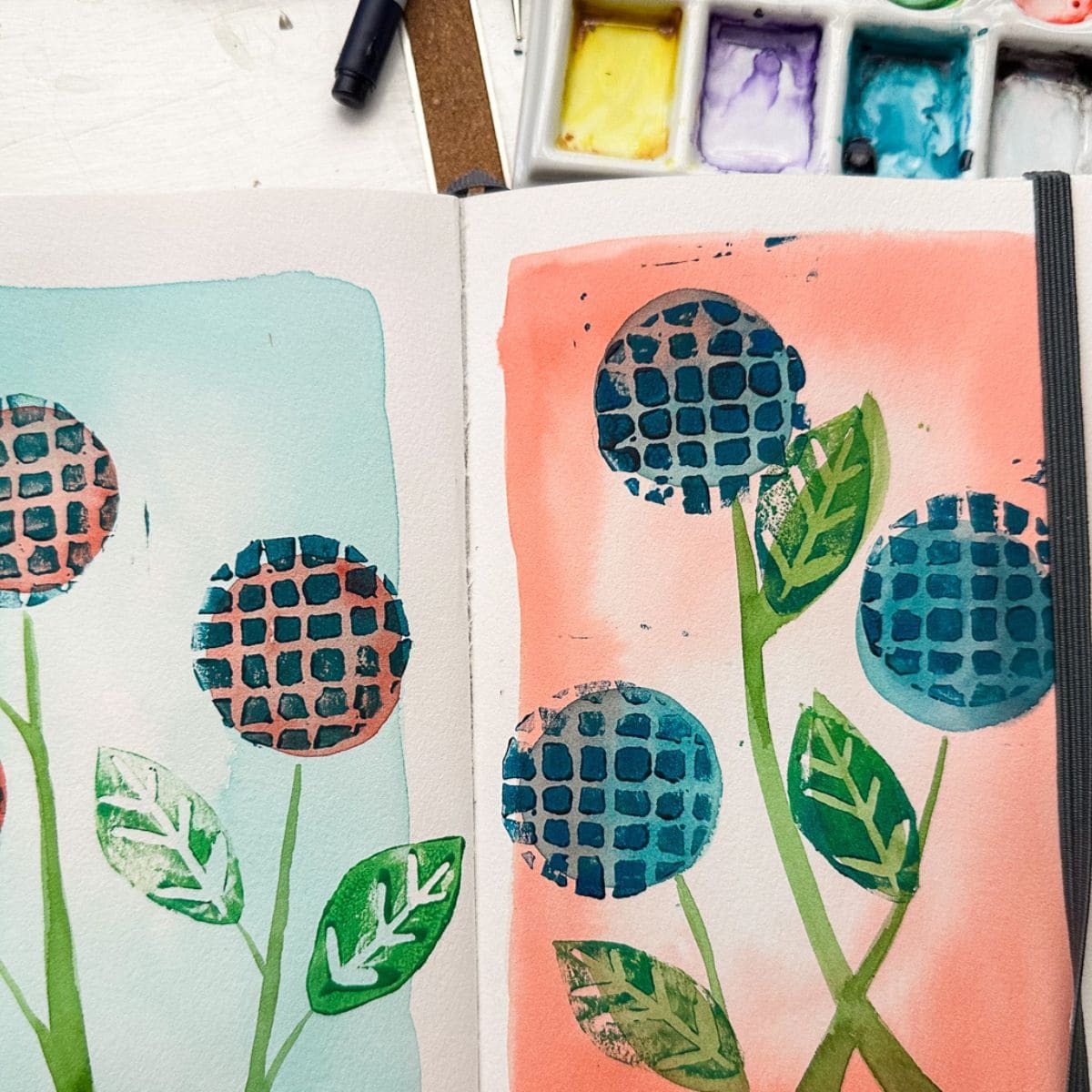
In today’s competitive art landscape, effectively marketing your unique art style is essential for gaining visibility and attracting an audience. By focusing on branding, social media strategies, and storytelling, artists can cultivate a recognizable presence that resonates with viewers and fosters a deeper connection with their work.
Branding an Artist’s Unique Style
Developing a strong brand is fundamental to establishing your identity as an artist. Branding involves not only the visual elements of your work but also the narratives you create around it. A cohesive brand should reflect your values, themes, and the message behind your art. Here are key components to consider:
- Consistent Visual Identity: Ensure that your color palette, typography, and design elements are uniform across all platforms, from your website to social media. This consistency helps to create a recognizable image for your audience.
- Artist Statement: Craft a compelling artist statement that articulates your vision, influences, and the unique aspects of your style. This statement should serve as a guiding narrative for your branding.
- Logo Design: Consider designing a unique logo that encapsulates your artistic style. This can be used on business cards, social media profiles, and promotional materials.
Social Media Strategies for Showcasing Personal Art
Social media serves as a powerful platform for artists to showcase their work and engage with a broader audience. Utilizing these platforms requires strategic planning and creativity.
- Platform Selection: Choose platforms that align with your art style. For visual artists, platforms like Instagram and Pinterest are ideal for showcasing artwork through imagery. Consider TikTok for short, engaging videos that showcase your creative process.
- Regular Posting Schedule: Establish a consistent posting schedule to keep your audience engaged. Regular content updates, such as progress shots or finished pieces, can help maintain interest.
- Engagement and Interaction: Actively engage with your audience by responding to comments and messages. Building a community around your art fosters loyalty and encourages word-of-mouth promotion.
Connecting with Audiences Through Storytelling in Art
Storytelling is a crucial element in connecting with audiences, allowing them to resonate more deeply with your work. Each piece of art has a story, and sharing these narratives can enhance viewer engagement.
- Behind-the-Scenes Content: Share your creative process through videos or images that depict your journey from concept to completion. This transparency invites audiences into your world and fosters a personal connection.
- Personal Experiences: Incorporate your personal experiences and emotions into your artwork. Sharing these stories can make your art more relatable and impactful.
- Artistic Narratives: Use captions and post descriptions to provide context and background for your pieces. Explain the inspiration behind your work, the themes explored, and any challenges faced during the creative process.
Art is not what you see, but what you make others see.Edgar Degas
Last Word

In conclusion, embracing the journey of developing your unique art style is a rewarding endeavor that requires patience, creativity, and a willingness to engage with both oneself and the artistic community. As you integrate the insights and techniques discussed, you will find that your individual expression will blossom, leading to a portfolio that stands as a testament to your growth and originality.
Remember, the evolution of your art style is not merely a destination but a continuous journey of exploration and self-discovery.