How to Create Abstract Digital Art That Wows sets the stage for this enthralling narrative, offering readers a glimpse into a story that is rich in detail and brimming with originality from the outset. This guide delves into the fascinating world of abstract digital art, exploring its characteristics, historical evolution, and the influential artists who have shaped this vibrant medium.
Whether you are a novice artist or an experienced creator, understanding the fundamentals of abstract digital art will empower you to express your creativity and innovate your artistic voice.
As we embark on this journey, we will examine the essential tools and software that facilitate the creation of stunning abstract pieces, along with the techniques that bring your imaginative visions to life. Moreover, we will discuss the importance of finding inspiration, effective composition, and strategies for sharing your art with a broader audience, ensuring that your work receives the recognition it deserves.
Understanding Abstract Digital Art
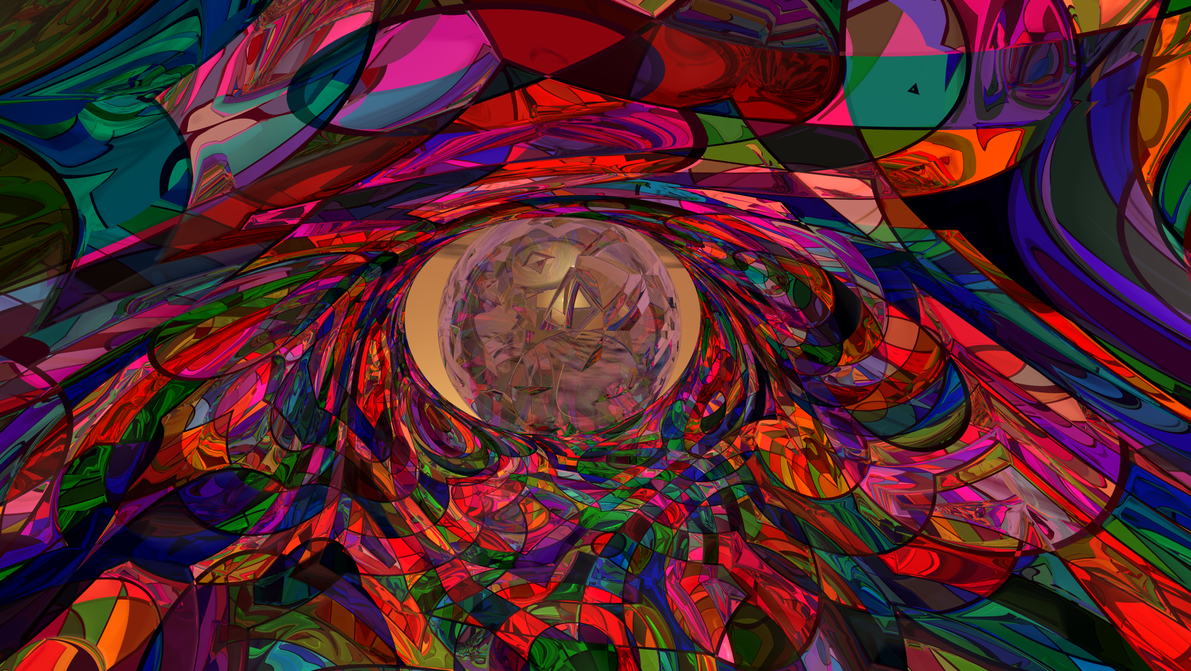
Abstract digital art represents a unique and innovative artistic expression that primarily uses digital technology as a medium for creation. This genre eschews traditional representation, focusing instead on color, form, and texture to evoke emotion and provoke thought. Characteristically, abstract digital art is often non-representational, moving away from realistic portrayals to convey ideas, sensations, and feelings through stylized visual languages.The evolution of digital art has profoundly influenced contemporary art, expanding the boundaries of traditional practices.
Initially emerging in the 1960s with the advent of computer technology, digital art has transformed how artists interact with and manipulate visual elements. This shift has led to a democratization of art creation, enabling a broader range of individuals to express their creativity using accessible digital tools. As a result, abstract digital art has gained significant prominence, blending traditional artistic principles with modern technological capabilities.
Characteristics of Abstract Digital Art
Abstract digital art is distinguished by several key characteristics that set it apart from traditional forms of art. The following points illustrate the defining features of this genre:
- Non-representation: Unlike traditional art forms that often depict recognizable subjects, abstract digital art revolves around shapes, colors, and patterns that do not represent real-world objects.
- Emphasis on Color and Form: Color plays a pivotal role in conveying emotion and mood, while the interplay of forms creates dynamic compositions that engage viewers on various levels.
- Dynamic Textures: Digital tools allow for the exploration of unique textures that enhance the visual experience, often creating a sense of depth and movement not easily achieved in physical mediums.
- Interactivity: Many contemporary abstract digital artworks incorporate interactive elements, inviting viewers to engage with the piece actively, further enhancing the personal connection to the art.
- Integration of Technology: The use of software and digital applications enables artists to experiment with techniques and styles that would be impractical or impossible in traditional settings.
Evolution of Digital Art
The journey of digital art from its inception to its current status in the art world reflects significant technological advancements and shifts in cultural perspectives. The following historical milestones illustrate this evolution:
- Early Experiments: The 1960s saw pioneering artists like Frieder Nake and Harold Cohen using computers to generate art, laying the groundwork for future developments in digital creativity.
- Rise of Graphic Design: In the 1980s and 1990s, graphic design software became widely available, allowing designers to explore abstract forms in their work and influencing the broader art community.
- Digital Revolution: The proliferation of personal computers and software in the late 1990s and early 2000s led to an explosion of digital art forms, significantly impacting the visual culture of the time.
- Contemporary Practices: Today, digital art encompasses a wide range of practices, including generative art and virtual reality experiences, redefining the audience’s relationship with art.
Key Artists in the Abstract Digital Art Movement
Several artists have emerged as influential figures in the abstract digital art movement, each contributing their unique vision and style. The following artists represent pivotal contributions to this evolving genre:
- Casey Reas: Co-creator of Processing, a programming language for visual arts, Reas’s work explores generative systems that produce unique abstract visuals, emphasizing the role of computation in art.
- Ryoji Ikeda: Known for his immersive installations and sound art, Ikeda’s work often employs data and mathematical concepts, blurring the lines between visual art and information.
- Manfred Mohr: A pioneer of algorithmic art, Mohr’s creations rely on complex algorithms to generate unpredictable and captivating abstract forms, showcasing the beauty of mathematical structures.
- Jenny Holzer: While primarily recognized for her text-based work, Holzer’s use of digital technology to create abstract installations and projections challenges conventional boundaries of language and meaning in art.
- Joshua Davis: An early adopter of web technologies for artistic purposes, Davis’s work combines programming with design, creating visually stunning abstract compositions that evolve over time.
Tools and Software for Creating Abstract Digital Art
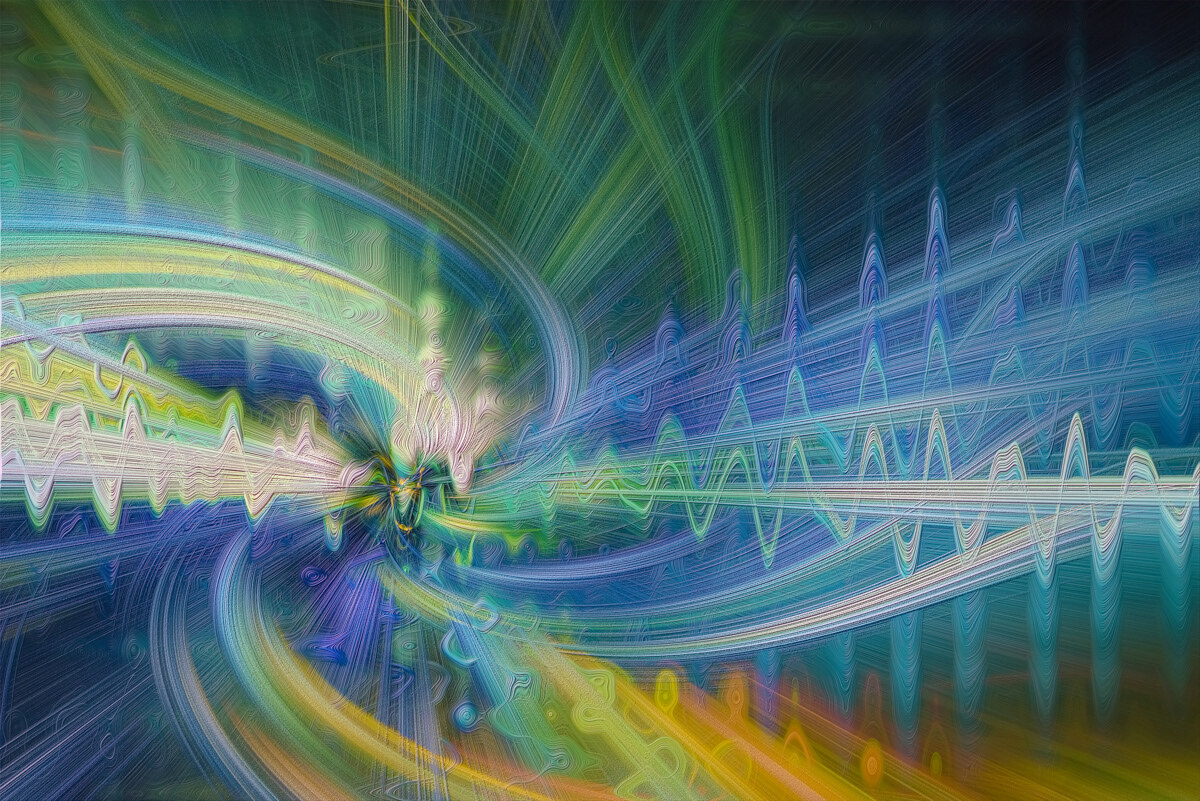
Creating abstract digital art requires a combination of creativity and the right tools. The choice of software can significantly influence the quality and uniqueness of the artwork. Various tools offer different features that cater to the artistic needs of individuals looking to express their creativity through abstract forms. Below is a selection of essential software options that can help artists at various skill levels.
Essential Software for Digital Art Creation
The following software options are widely recognized for their capabilities in creating abstract digital art. Each one provides a distinct set of features that can enhance the artistic process:
- Adobe Illustrator: Known for its vector-based capabilities, Adobe Illustrator is ideal for creating sharp and scalable graphics. It offers a range of tools such as the Pen Tool, Shape Builder Tool, and various brushes, which enable artists to create intricate designs and patterns. Its ability to handle layers and effects makes it versatile for abstract compositions.
- Procreate: This powerful app designed for the iPad has gained popularity among digital artists for its intuitive interface and wide array of brush options. Procreate allows for real-time sketching and painting, making it easy to experiment with colors and shapes. The introduction of features such as Animation Assist adds another dimension for creating dynamic abstract art.
- Corel Painter: Corel Painter is renowned for its realistic simulation of traditional painting techniques. The software offers a vast selection of brushes and textures that can mimic oil, watercolor, and other mediums. Artists who enjoy combining traditional styles with digital techniques find Corel Painter particularly appealing for creating abstract works.
- Affinity Designer: As a cost-effective alternative to Illustrator, Affinity Designer provides similar vector graphic capabilities with a user-friendly interface. Its dual environment for vector and raster graphics allows artists to create complex compositions seamlessly. The software’s precise control over shapes and colors makes it an excellent choice for abstract art.
- Krita: Krita is a free, open-source painting program that offers a rich set of features suitable for digital artists. With powerful brush engines and an extensive library of customizable brushes, Krita is particularly favored by illustrators and concept artists focusing on abstract styles. Its intuitive layering system enhances the creative workflow.
Comparison of Free Versus Paid Software Options
Choosing between free and paid software can be challenging for beginners. Understanding the strengths and limitations of these options is crucial for selecting the right tool for abstract digital art creation. Below is a comparison to assist in making an informed decision.
- Paid Software (e.g., Adobe Illustrator, Corel Painter): These programs often come with a subscription or one-time purchase fee. They provide robust features, comprehensive support, and regular updates. Artists benefit from tutorials and community resources, enhancing skill development. The investment is justified by the advanced capabilities and professional results offered.
- Free Software (e.g., Krita): Free tools provide a cost-effective way for beginners to explore digital art. While they may lack some advanced features found in paid software, they often have sufficient capabilities for creating impressive abstract art. Learning through free software can be beneficial, allowing artists to develop their skills without financial commitment.
“The right tools can unlock your potential as an artist, enabling you to transform your ideas into stunning visual expressions.”
Techniques for Creating Stunning Abstract Digital Art
The creation of abstract digital art involves a blend of innovative techniques that elevate the artist’s vision and engage viewers. Employing various methods allows artists to explore textures, patterns, and colors, resulting in captivating pieces. This section delves into essential techniques that can enhance the creation of stunning abstract digital art.
Use of Digital Brushes for Textures and Patterns
Digital brushes play a pivotal role in crafting unique textures and intricate patterns in abstract art. Artists can choose from a diverse range of brushes that mimic traditional painting tools or create their own custom brushes for a personalized touch. The process of layering different brush strokes allows for an exploration of depth and complexity in the artwork.Utilizing various brush settings, such as opacity, flow, and size, can influence the texture of the piece.
For instance, a soft, low-opacity brush can introduce subtle gradients, while a textured brush can add visual interest and tactile quality. Incorporating techniques like dabbing, dragging, and layering various brush strokes can yield unexpected and dynamic results.
Application of Layers and Blending Modes
Layers are fundamental to digital art, enabling artists to separate different elements of their work for ease of modification and experimentation. By using multiple layers, artists can create complex compositions without permanently altering their original designs. Adjusting the order of layers further manipulates how elements interact visually.Blending modes are powerful tools that dictate how layers interact with one another. For instance, using the ‘Multiply’ mode can create deeper shadows by darkening the underlying layers, while the ‘Screen’ mode can lighten areas, adding highlights.
By skillfully employing these blending options, artists can experiment with color interactions and create stunning visual effects that enhance the overall aesthetic of their abstract works.
Color Theory in Abstract Art
Color theory is crucial in the creation of vibrant abstract pieces, as it encompasses the emotions and perceptions evoked by different colors. Understanding the color wheel, primary, secondary, and tertiary colors enables artists to make informed decisions about their palettes. Applying concepts such as complementary colors can create striking contrasts, while analogous colors can establish harmony within the artwork. For example, combining blue and orange—complementary colors—can result in a dynamic and eye-catching composition.
Additionally, artists can use color saturation and brightness to guide the viewer’s eye and convey specific moods or themes in their abstract pieces. In summary, mastering these techniques—digital brushes, layers and blending modes, and color theory—empowers artists to push boundaries and create stunning abstract digital art that resonates with audiences.
Inspiration and Concept Development
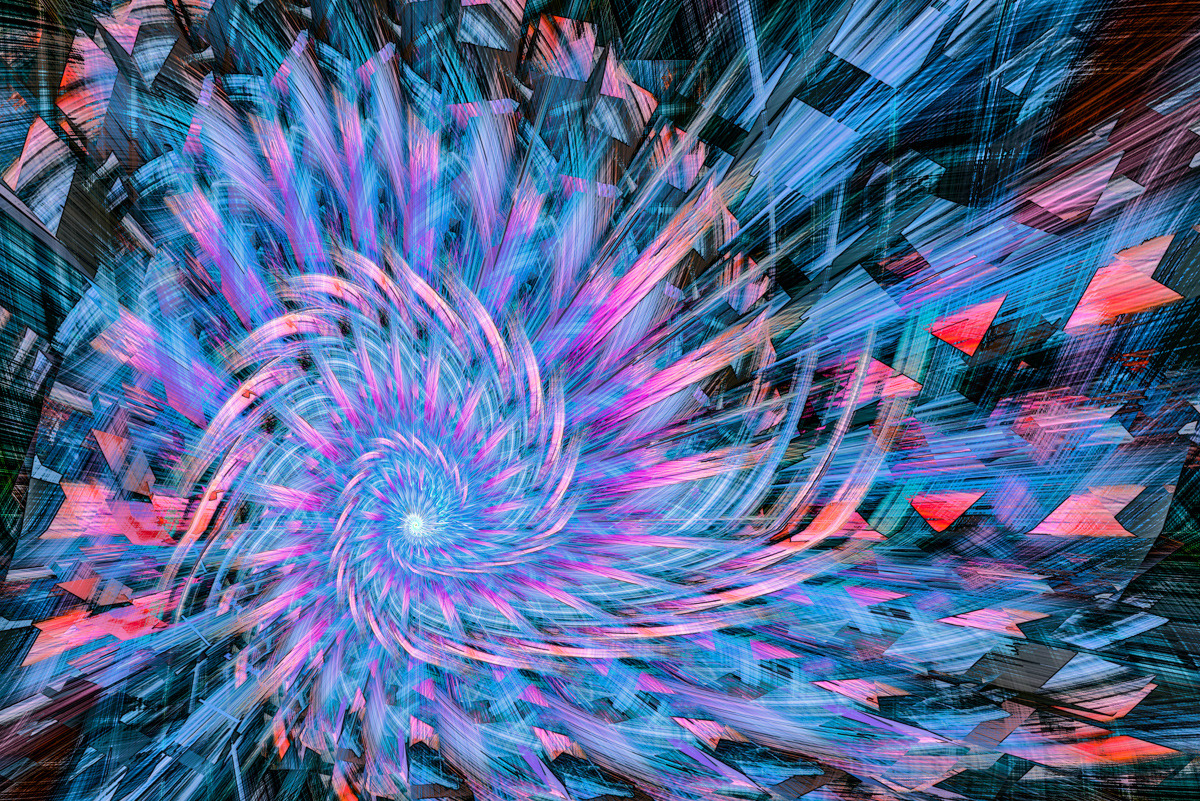
Finding inspiration for abstract digital art can transform mundane experiences into breathtaking visuals. The world around us offers a wealth of ideas, colors, and emotions that can be translated into captivating artwork. By honing the ability to observe and reflect on these elements, artists can cultivate a rich repository of concepts for their creations.To aid in concept development, various brainstorming techniques can be employed.
These methods encourage artists to explore different facets of their thoughts and observations, allowing for a more organic flow of creativity. By engaging in these exercises, artists can enhance their originality and deepen their understanding of their artistic voice.
Methods for Finding Inspiration in Everyday Life
Everyday life is filled with potential sources of inspiration for abstract art. Exploring these sources requires a keen sense of observation and a willingness to experiment. Consider the following approaches to ignite your creativity:
- Nature Walks: Immersing oneself in natural settings can reveal patterns, colors, and textures that spark ideas for artwork. The interplay of light and shadow in various environments can also inspire unique compositions.
- Urban Exploration: Cityscapes offer a dynamic blend of shapes and colors. Observing architecture, graffiti, and street life can lead to innovative interpretations in abstract form.
- Daily Objects: Items found in your home or workspace can serve as unexpected sources of inspiration. Experimenting with the arrangement of everyday objects can lead to abstract interpretations that evoke emotions or tell a story.
- Artistic Communities: Engaging with fellow artists can provide fresh perspectives and ideas. Collaborations or discussions can lead to the birth of new concepts and approaches.
Brainstorming Techniques for Concept Development
Developing concepts for abstract digital art requires structured brainstorming. Utilizing specific techniques can help clarify thoughts and encourage innovative ideas. The following methods can be effective in facilitating concept development:
- Mind Mapping: This visual tool allows artists to connect ideas and themes. Starting with a central concept, branching out into related thoughts can help identify potential directions for artwork.
- Word Association: Writing down a word related to your artistic theme and then listing associated words can uncover hidden connections and ideas. This method can lead to surprising and original concepts.
- Sketching Ideas: Quickly sketching various ideas without the pressure of perfection can often lead to unexpected avenues for exploration. These sketches can serve as preliminary studies for digital artwork.
- Journaling: Keeping a creative journal can document thoughts, feelings, and inspirations. Regular entries can serve as a rich resource when seeking concepts for future projects.
Creative Exercises to Enhance Imagination and Originality
Engaging in creative exercises can significantly enhance an artist’s imagination and originality. The following activities can provide a stimulating framework for artistic exploration:
- Color Experiments: Working with a specific color palette or using random colors can challenge perceptions and lead to unique compositions. This can help develop an understanding of color relationships.
- Freedom of Expression: Setting aside time for unrestricted creation without worrying about the outcome can lead to breakthrough moments. This spontaneity often yields surprising results.
- Limitations as Catalysts: Imposing constraints, such as limiting the tools or techniques used, can ignite creativity. These boundaries often lead to innovative solutions and new styles.
- Art Challenges: Participating in online art challenges or prompts can provide external motivation and inspiration. These challenges often encourage artists to explore themes or techniques they might not have considered otherwise.
Composition and Design Principles
In the realm of abstract digital art, composition and design principles play a crucial role in elevating the overall impact of a piece. These principles guide the arrangement of elements within the artwork, contributing to its visual appeal and emotional resonance. Understanding and applying these key principles can significantly enhance the effectiveness of abstract compositions.One of the foundational aspects of successful abstract art is the balance between different elements.
Balance can be achieved symmetrically, where elements are evenly distributed, or asymmetrically, where visual weight is distributed unevenly yet still feels stable. Contrast is another vital principle that draws attention and creates focal points within the artwork. It can manifest through color, size, shape, or texture, allowing certain elements to stand out. Rhythm, achieved through the repetition of shapes or colors, guides the viewer’s eye across the composition, establishing a sense of movement and flow.
Key Principles of Composition
A deeper understanding of specific composition principles can greatly enhance the creation of abstract digital art. The following principles are essential:
- Balance: Achieving a sense of equilibrium among visual elements ensures that no single part of the artwork overwhelms the others. For example, an artwork with a large dark shape on one side can be balanced with multiple smaller light-colored shapes on the opposite side.
- Contrast: Utilizing stark differences in color, size, or texture helps to emphasize certain components, creating a focal point. An effective example is an artwork featuring a vivid red shape against a muted background, which draws the viewer’s attention immediately.
- Rhythm: Repeating elements such as lines, colors, or shapes can establish a visual tempo that engages the viewer. An instance of rhythm can be seen in a series of alternating colors that lead the eye through the composition, creating a dynamic experience.
Examples of Successful Abstract Compositions
Analyzing successful abstract artworks can provide valuable insights into effective composition. For instance, the works of artists like Wassily Kandinsky illustrate the successful application of balance and rhythm. Kandinsky often utilized vibrant colors and geometric shapes arranged in a manner that creates both harmony and tension. This duality captivates the viewer, inviting them to explore the depths of the composition.Additionally, consider the abstract paintings of Mark Rothko, whose use of large blocks of color exemplifies the principle of contrast.
The juxtaposition of different hues evokes strong emotional responses, demonstrating how color can function as a powerful compositional tool. These examples underscore the importance of thoughtful design in abstract art, highlighting how principles of balance, contrast, and rhythm work synergistically to engage the viewer.
Application of the Rule of Thirds
The rule of thirds is a fundamental concept in visual composition that can be particularly beneficial in abstract digital art. This principle involves dividing the canvas into a grid of nine equal sections using two horizontal and two vertical lines. The intersections of these lines are considered focal points where the viewer’s eye naturally gravitates.To apply the rule of thirds in digital art design, one can position key elements along these lines or at their intersections.
For example, placing a significant shape or color burst at one of the intersections creates a focal point that draws attention while maintaining balance with surrounding elements. This technique ensures that the composition feels dynamic and engaging, rather than static or overly centered.In summary, understanding and implementing composition and design principles such as balance, contrast, rhythm, and the rule of thirds can significantly enhance the quality of abstract digital art.
These guidelines not only help in creating visually appealing compositions but also in conveying emotions and messages effectively.
Sharing and Promoting Your Abstract Digital Art
To successfully share and promote your abstract digital art, it is essential to leverage various platforms and strategies that can help you gain visibility and connect with a wider audience. By utilizing social media, online portfolios, and galleries, artists can effectively showcase their unique creations and build an engaging presence in the art community.Promoting your abstract digital art involves not only showcasing your work but also establishing a recognizable online presence as an artist.
This can be achieved through various methods, including effective use of social media, personal websites, and online galleries. By strategically sharing your artwork, you can attract potential buyers, collaborators, and art enthusiasts who resonate with your vision.
Platforms for Showcasing Art
Different platforms can be utilized to exhibit your abstract digital art effectively. Choosing the right platform is crucial for reaching your desired audience and enhancing your visibility. Below are some key platforms to consider:
- Social Media: Platforms such as Instagram, Facebook, and Pinterest are ideal for visually-driven content. You can engage with followers through regular updates, behind-the-scenes content, and interactive stories.
- Online Portfolios: Websites like Behance, ArtStation, and Adobe Portfolio allow artists to create professional portfolios, showcasing their artwork in a structured manner.
- Online Galleries and Marketplaces: Sites such as Saatchi Art, Etsy, and Redbubble provide opportunities to sell your artwork directly to collectors and art enthusiasts.
Building an Online Presence
Establishing a strong online presence is crucial for abstract digital artists. This involves more than just posting artwork; it requires consistent engagement and branding. Here are effective strategies for building your online presence:
- Regular Content Creation: Consistently share new works and updates to keep your audience engaged and informed about your artistic journey.
- Utilizing Hashtags: Use relevant hashtags on social media to increase the discoverability of your posts and connect with like-minded artists and audiences.
- Engaging with Your Audience: Respond to comments, participate in discussions, and show appreciation for your followers to cultivate a loyal community around your art.
Networking with Other Artists and Art Enthusiasts
Networking plays a significant role in promoting your abstract digital art. Building relationships with other artists and enthusiasts can lead to collaboration opportunities, exposure, and support. Here are some effective networking tips:
- Join Online Art Communities: Participate in forums, groups, and social media communities focused on abstract art to connect with fellow artists and share insights.
- Attend Virtual Events: Engage in online workshops, webinars, and exhibitions where you can meet other artists, share experiences, and showcase your work.
- Collaborate on Projects: Partnering with other artists for collaborative pieces can expand your reach and introduce your work to new audiences.
“Networking and collaboration are key elements in elevating your art to new heights and connecting with a wider audience.”
Critique and Feedback in Abstract Art
The process of creating abstract digital art is inherently subjective, requiring artists to be open to feedback and critique to refine their work. Constructive feedback plays a crucial role in this artistic journey, as it can illuminate areas that need improvement and validate the artist’s vision. Engaging with critique provides opportunities for growth, as it encourages artists to embrace new perspectives and develop their unique style further.Taking in critiques from various sources can enhance an artist’s practice and understanding of abstract art.
Engaging with peers and art communities can offer valuable insights that might otherwise go unnoticed. Therefore, establishing channels for feedback is essential for any artist looking to evolve their work.
Seeking Constructive Critique
To cultivate an environment conducive to growth and improvement, artists can explore several effective avenues for seeking constructive critique:
- Peer Review Groups: Joining or forming small groups of fellow artists allows for regular sharing of work and receiving direct feedback in a supportive environment.
- Online Art Communities: Platforms such as DeviantArt, Behance, and various social media groups provide spaces for artists to showcase their work and solicit feedback from a broader audience.
- Art Workshops and Critique Sessions: Participating in workshops can facilitate constructive dialogue about art pieces, foster connections with mentors, and provide structured critique opportunities.
- Mentorship: Engaging with a more experienced artist as a mentor can yield personalized feedback, helping the artist navigate their creative challenges.
Receiving constructive feedback is essential, but it is equally important to cultivate the ability to self-evaluate one’s work.
Self-Evaluation Methods for Improvement
Self-evaluation empowers artists to critically assess their abstract pieces and identify areas for enhancement. Building this skill can lead to more refined and impactful artwork. Consider incorporating the following methods into your creative process:
- Art Journaling: Keeping a reflective journal dedicated to your artistic journey can help document thoughts on each piece, including what works, what doesn’t, and why.
- Set Criteria for Evaluation: Establishing specific criteria based on composition, color theory, emotional impact, and technique allows for a focused assessment of art pieces.
- Time Away from the Work: Taking a break from a completed piece enables artists to return with fresh eyes, making it easier to notice strengths and weaknesses.
- Comparative Analysis: Analyzing both personal works and the works of established artists can provide insights into techniques and styles that resonate, facilitating a better understanding of personal artistic direction.
“Constructive feedback is not just criticism; it is a tool for growth that every artist should embrace.”
Incorporating these strategies fosters a culture of continuous improvement, enabling artists to elevate their abstract creations and enhance their overall artistic practice.
Wrap-Up
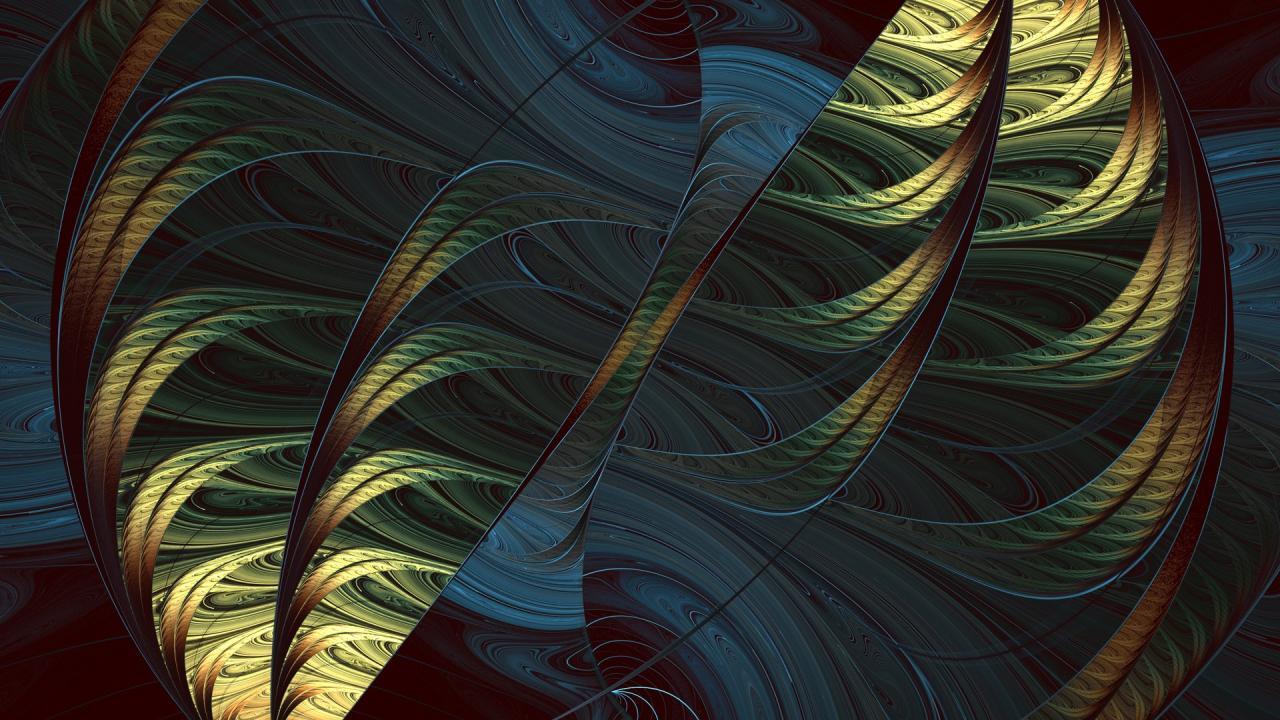
In conclusion, mastering the art of creating abstract digital art is a rewarding endeavor that combines creativity with technical skills. By embracing the tools, techniques, and principles Artikeld in this guide, artists can not only enhance their craft but also connect with a vibrant community of fellow creators. As you continue to explore and develop your unique artistic voice, remember that the journey of creating art is as valuable as the final piece itself.
Share your creations, seek feedback, and enjoy the process of bringing your abstract visions to life.