How to Use Social Media to Promote Your Art is an essential guide for artists navigating the digital landscape. In today’s interconnected world, social media serves as a powerful tool for enhancing visibility and building a community around one’s art. By leveraging various platforms, artists can engage with a wider audience and share their creative journey in a visually captivating manner.
In this article, we will explore the importance of social media for artists, the process of setting up professional profiles, and the creation of engaging content. Furthermore, we will discuss strategies for building an audience, utilizing hashtags, and running promotions that can elevate an artist’s online presence.
Understanding the Importance of Social Media for Artists
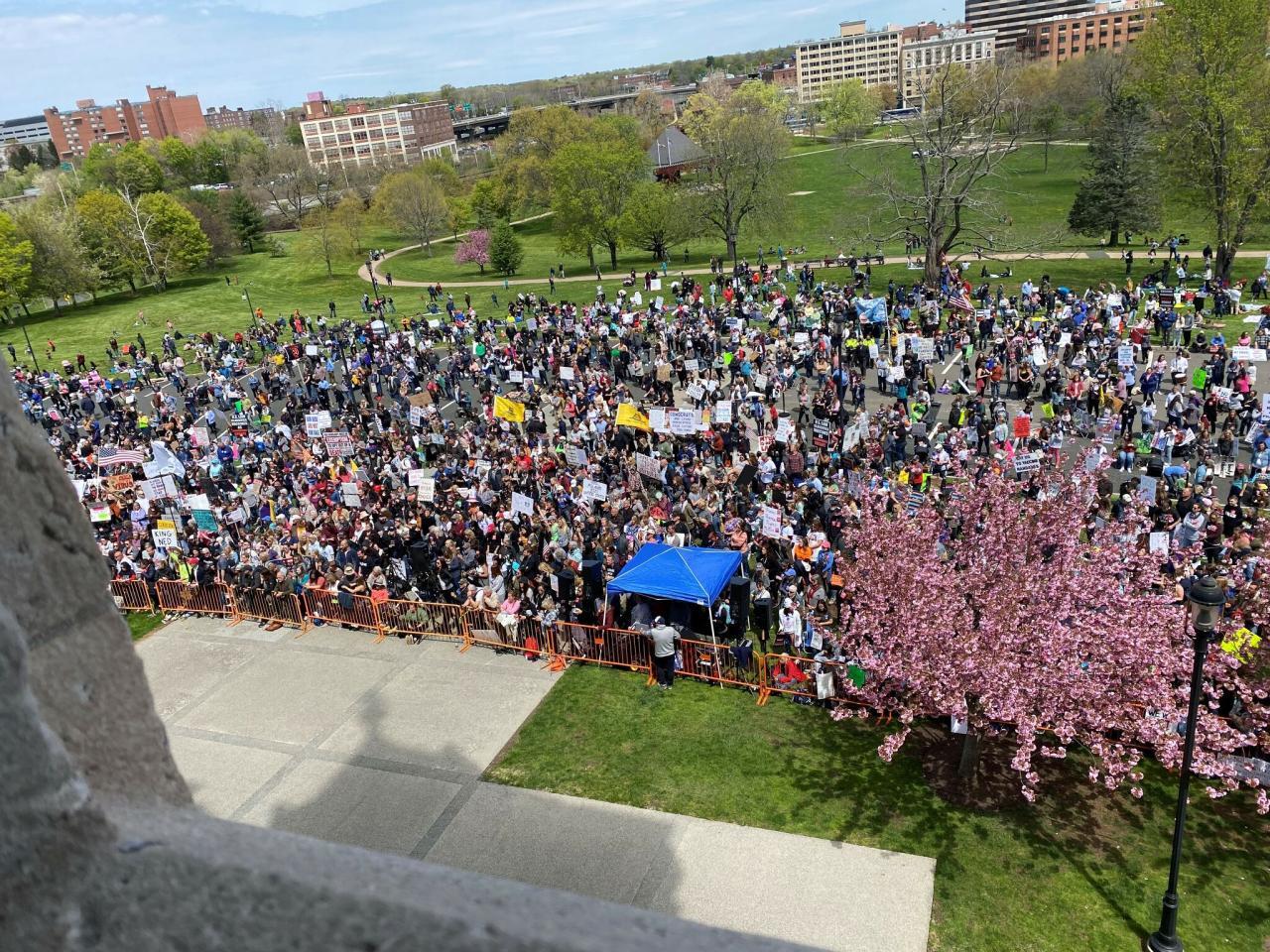
In the contemporary landscape of art, social media serves as an indispensable tool for artists seeking to promote their work and connect with audiences worldwide. The digital era has transformed not only how art is created and consumed but also how it is marketed. Social media platforms allow artists to showcase their creations, engage directly with their fans, and build a personal brand that resonates with their audience.The role of social media in modern art promotion is multifaceted.
It serves as a platform for visibility, where artists can share their portfolios, exhibit their work, and participate in discussions relevant to their field. This visibility not only enhances an artist’s reputation but also opens doors to potential collaborations, sales, and exhibitions. Moreover, social media provides artists with the opportunity to receive real-time feedback on their work, fostering a dynamic relationship between the artist and the audience.
Role of Social Media in Community Building
Social media platforms enable artists to cultivate a community around their work, facilitating interaction and engagement with followers who share similar interests in art. By sharing behind-the-scenes content, artists can invite their audience into their creative process. This transparency fosters a sense of belonging among followers, making them feel invested in the artist’s journey.The following platforms have proven particularly beneficial for artists to build and engage with their community:
- Instagram: Known for its visual focus, Instagram is a favored platform for artists to share images of their work, process videos, and stories that offer insight into their daily lives as creators.
- Facebook: With its diverse groups and pages, Facebook allows artists to connect with specific communities, share events, and promote exhibitions.
- Pinterest: Ideal for inspiration, Pinterest enables artists to create boards that showcase their work alongside similar pieces, attracting followers interested in specific styles or themes.
- Twitter: This platform is effective for sharing quick updates, engaging in conversations about art trends, and networking with other artists and art enthusiasts.
- TikTok: Rapidly gaining popularity, TikTok allows artists to share short, engaging videos that highlight their work, techniques, and artistic personality, reaching a younger audience.
The presence of artists on social media not only enhances their visibility but also fosters interaction that can lead to meaningful connections within the art community. By utilizing these platforms effectively, artists can establish themselves as key figures in the art world, create lasting relationships with their audience, and ultimately enhance their career opportunities.
“Social media is not just a marketing tool; it is a way to connect with people who appreciate your art and vision.”
Setting Up Your Social Media Profiles
Creating professional-looking social media profiles is vital for artists aiming to promote their artwork effectively. A well-crafted profile not only represents your artistic identity but also attracts potential fans, collectors, and collaborators. By following the steps Artikeld below, you can establish a strong online presence that resonates with your audience and showcases your skills to the fullest.
Steps for Creating Professional Profiles
When setting up your profiles on major platforms such as Instagram, Facebook, and Twitter, it is important to ensure consistency and professionalism. Here are the steps to follow:
- Select a Username: Choose a username that reflects your artistic brand. Ideally, this should be consistent across all platforms for easy recognition.
- Profile Picture: Use a high-quality image of yourself or your artwork as your profile picture. This image should be clear and visually appealing, as it serves as the first impression of your brand.
- Cover Photo/Banner: Design a cover photo or banner that highlights your artwork or encapsulates your artistic style. This space can be used to showcase a signature piece or a collection.
- Contact Information: Include professional contact information, such as an email address, to facilitate inquiries and commissions.
- Website Link: If you have a personal website or online portfolio, include the link in your profile. This directs traffic to your work and enables deeper engagement.
Effective Bio Descriptions for Artists
A captivating bio is crucial for capturing the attention of viewers. Your bio should succinctly convey who you are as an artist and what you create. Here are examples of effective bio descriptions:
- Example 1: “Visual artist specializing in abstract landscapes. Exploring the interplay of color and emotion. Available for commissions and exhibitions.”
- Example 2: “Illustrator & graphic designer. Passionate about storytelling through vibrant visuals. Follow my journey and discover unique art pieces.”
- Example 3: “Mixed media artist inspired by nature. Transforming recycled materials into captivating sculptures. DM for collaboration inquiries.”
Checklist for Essential Profile Elements
To ensure that your social media profiles are comprehensive and effective, consider the following essential elements. These components help convey your artistic identity clearly and professionally:
- Profile picture that aligns with your brand
- Consistent username across platforms
- Engaging cover photo or banner
- Concise and informative bio with relevant hashtags
- Link to your portfolio or website
- Contact information for commissions and inquiries
- Relevant and engaging content that reflects your artistry
- Regular updates and interactions with followers
“Your social media profiles are your digital business cards; make them memorable and professional.”
Creating Engaging Content

In the realm of art promotion, creating engaging content is vital for capturing the attention of your audience and effectively showcasing your artistic talent. High-quality visual content, compelling storytelling, and the strategic use of video can significantly elevate your online presence and foster a deeper connection with your followers. This section will explore various methods to enhance your social media content and make your art more appealing to a broader audience.
Producing High-Quality Visual Content
The foundation of any successful art promotion strategy lies in the production of high-quality visual content that truly represents the artist’s vision. Artists should prioritize the following methods to ensure their artwork is presented in the best possible light:
- Invest in Quality Photography: Utilize a professional camera or hire a photographer to capture your art pieces. Good lighting, clear focus, and appropriate backgrounds can make a significant difference in how your art is perceived.
- Use Editing Software: Employ editing tools such as Adobe Photoshop or Lightroom to enhance your images. Adjust brightness, contrast, and colors to reflect the true essence of your artwork.
- Create Consistent Branding: Develop a recognizable style for your posts by maintaining a consistent color palette and composition across your images. This coherence helps in building brand identity.
Importance of Storytelling in Art Promotion
Integrating storytelling into your art promotion can create a more profound emotional connection with your audience. Each piece of art has a story behind it—whether it is the inspiration, the process, or the emotions conveyed. When sharing your art, consider the following storytelling techniques:
- Narrative Captions: Write engaging captions that describe the story behind each artwork. Share your thoughts, feelings, and experiences that influenced the creation of the piece.
- Behind-the-Scenes Content: Offer glimpses into your creative process through images or videos that show you working on your art. This approach humanizes you as an artist and allows followers to connect with your journey.
- Artistic Inspirations: Share the influences and experiences that shape your artistic vision. This context helps audiences appreciate your work on a deeper level.
Effective Use of Video Content
Video content is an excellent tool for promoting art, as it can vividly showcase your creative process and artistic techniques. To effectively utilize video in your promotions, consider the following strategies:
- Tutorial Videos: Create short tutorial videos demonstrating specific techniques or styles you employ in your artwork. This not only showcases your skills but also provides valuable content to your audience.
- Time-lapse Videos: Capture the entire process of creating a piece of art in a time-lapse format. This format can be mesmerizing and gives viewers insight into your technical abilities.
- Live Streaming: Consider live streaming your art sessions on platforms like Instagram or Facebook. This interactive format encourages real-time engagement and allows viewers to ask questions about your process.
Building an Audience
Cultivating a dedicated audience for your art is vital for establishing a successful presence on social media. An engaged community not only supports your work but also shares it with others, creating organic growth. By implementing effective strategies, you can attract followers who are genuinely interested in your artistic journey.One essential approach to building an audience involves focusing on authenticity and consistency in your art and brand messaging.
Genuine connections can be formed when followers see a real person behind the artwork. Here are several strategies to enhance audience engagement and foster loyalty:
Strategies for Attracting Genuine Followers
Establishing a base of followers who resonate with your art requires thoughtful strategies. The following points Artikel effective methods to attract the right audience:
- Utilize Hashtags Strategically: Research and incorporate relevant hashtags that connect your work with specific art communities. This enhances the visibility of your posts and attracts individuals interested in similar styles.
- Share Your Artistic Process: Create content that showcases behind-the-scenes moments, such as time-lapses of your artwork or snapshots of your workspace. This invites followers into your creative world, fostering a deeper appreciation for your art.
- Participate in Online Art Challenges: Engaging in community art challenges not only showcases your skills but also allows you to connect with fellow artists and their audiences. This exposure can lead to new followers who share your passion.
Techniques for Engaging with Followers
Fostering a loyal community requires ongoing interaction with your audience. Implement the following techniques to enhance engagement:
- Respond to Comments and Messages: Take the time to reply to comments on your posts and direct messages. Acknowledging your audience fosters a sense of connection and shows that you value their support.
- Host Q&A Sessions or Live Streams: Consider hosting live sessions where you can engage directly with your followers, answer questions about your work, and share insights. This real-time interaction can significantly strengthen community bonds.
- Showcase User-Generated Content: Encourage your followers to share their interpretations of your work or their own art inspired by you. Sharing this content on your profile not only promotes engagement but also builds a sense of belonging among your audience.
Collaborating with Other Artists and Influencers
Collaborations can significantly broaden your reach and introduce your art to new audiences. Building relationships with other artists and influencers in the art community can be highly beneficial. Consider the following approaches:
- Engage in Joint Projects: Collaborate with fellow artists on projects, such as creating a series of artworks together or hosting an exhibition. This mutual promotion exposes both artists to each other’s followers, enhancing visibility.
- Participate in Influencer Campaigns: Partner with art influencers who align with your brand to promote your work. Their endorsement can attract a new audience that values their opinion and is likely to appreciate your art.
- Contribute to Art Blogs or Podcasts: Share your expertise or experiences in interviews, blogs, or podcasts. This not only showcases your work but also builds credibility within the art community, attracting followers who are genuinely interested in your perspective.
Utilizing Hashtags and Trends
The use of hashtags and trends is a critical component of social media marketing for artists. By strategically selecting and implementing hashtags, artists can significantly enhance their visibility, connect with broader audiences, and engage with communities that share their artistic vision. This section will explore the significance of hashtags, provide examples relevant to the art community, and discuss how to effectively participate in trending topics to maximize exposure.Utilizing hashtags allows artists to categorize their content, making it discoverable to users interested in specific themes or styles.
A well-researched hashtag can be the difference between a post gaining traction or being lost in the vast sea of social media content. Artists should focus on a mix of popular and niche hashtags to reach a diverse audience while also targeting potential collectors and enthusiasts.
Significance of Using Hashtags
Effective hashtag usage can dramatically enhance an artist’s reach and engagement. Consider the following key points regarding hashtags:
-
Hashtags categorize content, allowing users to find relevant posts.
- They can increase post visibility through trending topics, thereby attracting new followers.
- Strategically selected hashtags can connect artists with potential buyers and collaborators.
- Using location-based and event-specific hashtags helps localize and elevate the artist’s presence.
Examples of Trending Hashtags in the Art Community
To stay relevant, artists should keep abreast of trending hashtags that resonate within the art community. Some popular hashtags include:
-
#ArtOfTheDay: Showcases daily artwork and engages with the art community.
-
#InstaArt: A broad hashtag that reaches a general audience interested in art.
-
#ArtistOnInstagram: Connects artists with potential followers and buyers on the platform.
-
#ArtChallenge: Encourages participation in themed challenges, fostering community interaction.
Participation in Trending Topics
Engaging with current trends can substantially boost an artist’s visibility. To effectively participate, artists should consider the following strategies:
- Monitor trending hashtags and topics relevant to art and incorporate them into posts when appropriate.
- Create timely artwork or commentary based on current events or popular culture to attract attention.
- Engage with other artists and users participating in trends, fostering relationships that can lead to collaborative opportunities.
- Share experiences, insights, or tutorials related to trending themes, establishing authority and encouraging interaction.
Running Promotions and Contests
Engaging your audience through promotions and contests can significantly enhance your visibility and attract new clientele. Such initiatives not only create excitement but also offer followers an opportunity to interact with your art in a more meaningful way. When executed thoughtfully, promotions can lead to increased follower counts, website traffic, and ultimately, sales.Organizing a social media contest involves several key steps that ensure the event runs smoothly and successfully engages participants.
Initially, it’s essential to define the goals of the contest, which may include increasing brand awareness, growing your email list, or promoting a specific artwork.
Process of Organizing a Social Media Contest
A well-structured contest can incentivize participation while showcasing your artistic talent. The following steps will guide you through the process:
1. Choose a Platform
Select a social media platform that aligns with your target audience. Visual platforms like Instagram or Facebook may be particularly effective for artists.
2. Determine the Contest Type
Decide on the format of your contest, such as a photo submission, a creative challenge, or a simple like-and-share campaign. Each type offers unique engagement opportunities.
3. Set Clear Rules
Clearly Artikel the entry requirements, judging criteria, and the time frame for the contest. Transparency is vital to ensure trust and low confusion among participants.
4. Promote the Contest
Use your social media channels to announce the contest and encourage participation. Creating eye-catching graphics or videos to highlight the contest can significantly boost engagement.
5. Engage with Participants
Throughout the contest, actively interact with participants by liking, commenting, and sharing entries. This creates a sense of community and encourages more people to join in.
6. Announce Winners and Celebrate
After the contest concludes, make sure to publicly announce the winners. This not only recognizes their efforts but also maintains enthusiasm among all participants.
Examples of Promotional Offers
Promotional offers can serve as significant incentives for potential clients to engage with your art. Here are some effective examples:
Discounted Prints
Offering limited-time discounts on prints can encourage followers to make a purchase, especially if they have been contemplating a specific piece.
Exclusive Previews
Providing early access to new artworks or collections exclusively for your social media followers can create a sense of privilege and urgency.
Free Shipping
For a limited period, enabling free shipping on all orders can entice customers who are hesitant about additional costs at checkout.
Buy One, Get One Free
This type of promotion can encourage customers to purchase more than one piece, increasing the likelihood of upselling.
Art Classes or Workshops
Offering a free or discounted art class can attract individuals interested in art and create a deeper connection with your audience.
Legal Considerations for Promotions and Contests
When conducting promotions or contests online, understanding the legal landscape is essential to ensure compliance and avoid potential pitfalls.
Follow Platform Guidelines
Each social media platform has specific rules regarding contests and promotions. Familiarizing yourself with these guidelines is critical to avoid penalties or account suspension.
Consider Age Restrictions
Many jurisdictions require you to set age limits for participants, ensuring that minors do not enter without parental consent.
Clearly Define Terms
All promotional materials should contain clear terms and conditions, including eligibility, how to enter, judging criteria, and prize details.
Tax Implications
Depending on the value of the prizes, there may be tax implications for both you as the organizer and the winners. Consult a tax professional for guidance.
Intellectual Property Rights
Ensure that the contest does not infringe on any intellectual property rights, especially if participants are asked to submit their own artwork.By addressing these points, artists can effectively utilize promotions and contests to enhance their social media presence and foster a vibrant community around their art.
Analyzing Performance and Feedback
In the realm of social media, understanding the efficacy of your promotional efforts is crucial for any artist. Analyzing performance metrics and gathering feedback allows artists to refine their strategies and better connect with their audience. Engaging with followers and adjusting content based on their preferences can significantly enhance one’s visibility and engagement across platforms.Tracking engagement metrics on social media platforms is essential for determining the success of your content.
Each platform provides tools to monitor interactions, such as likes, shares, comments, and follower growth. Here are key metrics to consider:
Key Engagement Metrics
To effectively analyze performance, it is vital to understand which metrics provide the most insight into your audience’s preferences and engagement levels. The following metrics can significantly impact your strategy:
- Likes and Reactions: These reflect the immediate response to your posts and can indicate overall audience sentiment.
- Comments: Analyzing comments can provide qualitative feedback, offering insights into what resonates with your audience.
- Shares: The number of shares indicates how often your content is deemed valuable enough to be shared with others, expanding your reach.
- Follower Growth: Tracking changes in your follower count can help assess the overall effectiveness of your engagement strategies over time.
- Post Reach: This metric shows how many unique users have seen your posts, helping you gauge the visibility of your content.
Gathering feedback from followers about content preferences is another integral part of the process. Engaging with your audience and understanding their needs will help tailor your content to better suit their tastes. Here are effective methods for obtaining feedback:
Methods for Gathering Feedback
The following approaches can facilitate the collection of valuable insights from your followers, enabling you to adapt your content strategy effectively:
- Surveys and Polls: Utilizing tools like Instagram Stories or Twitter polls can provide direct feedback regarding what your audience enjoys or wants to see more of.
- Engagement Questions: Asking specific questions in your posts encourages comments and discussions, allowing you to gain insight into audience preferences.
- Monitor Comments: Regularly reviewing the comments section of your posts helps identify common themes or requests from your audience.
- Direct Messaging: Inviting followers to share their thoughts through direct messages can create a more personal connection and provide detailed feedback.
Adjusting content strategies based on performance data is crucial for continuous improvement. By analyzing the metrics and feedback collected, artists can make informed decisions about their future content.
Adjusting Strategies Based on Performance Data
It is essential to remain flexible and responsive to the information gathered through performance analysis and audience feedback. Below are strategies to consider when adjusting your approach:
- Content Optimization: If certain types of posts (e.g., videos or tutorials) receive higher engagement, consider increasing the frequency of those formats.
- Timing Adjustments: If data shows that posts perform better at specific times, adjust your posting schedule to maximize visibility and engagement.
- Focused Campaigns: Using insights to tailor promotions or contests to your audience’s preferences can lead to increased participation and enthusiasm.
- A/B Testing: Experimenting with different types of content or styles can reveal what resonates most with your audience, allowing for more targeted future campaigns.
Networking and Collaborating with Other Artists
Networking and collaborating with fellow artists is a vital aspect of establishing a successful presence in the art community. The importance of building relationships goes beyond mere social interactions; it opens doors to new opportunities, creative inspiration, and shared resources. Utilizing social media as a platform to connect with other artists can significantly enhance your visibility and foster collaborative projects that may not be possible independently.Reaching out to other artists for collaboration requires a thoughtful approach.
Building a genuine connection is key to establishing a fruitful partnership. Consider the following techniques for effective outreach:
Techniques for Reaching Out to Fellow Artists
When contacting other artists, it’s essential to establish mutual interest and respect. Here are effective methods to enhance your outreach initiative:
- Personalized Messages: Craft tailored messages that demonstrate your interest in their work. Reference specific pieces that resonate with you and express your admiration.
- Engagement Through Comments: Actively engage with their posts by leaving insightful comments or asking questions. This can help you gain visibility and establish rapport before reaching out directly.
- Shared Projects: Propose collaborative projects that align with both of your artistic visions. Present a clear concept that highlights potential benefits for both parties.
- Join Art Groups: Participate in online art communities and groups where artists collaborate. Engaging in discussions can lead to organic networking opportunities.
The benefits of networking within the art community extend beyond mere collaboration. It fosters a supportive environment where artists can share experiences, techniques, and resources, leading to collective growth. Engaging with a diverse group of artists can introduce you to different styles and perspectives, enriching your own artistic practice.
Benefits of Networking in the Art Community
The advantages of actively networking with other artists include:
- Increased Exposure: Collaborating with established artists can introduce your work to their audience, expanding your reach.
- Creative Inspiration: Interacting with other creators can spark new ideas and encourage innovative approaches in your artwork.
- Resource Sharing: Artists can share valuable resources, such as art supplies, exhibition opportunities, or tips on promotion, creating a collaborative support system.
- Growth Opportunities: Collaborations can lead to exhibitions, workshops, or even new business ventures, providing avenues for professional growth.
Successful collaborations can yield remarkable outcomes. For instance, the partnership between street artist Banksy and photographer Steve Lazarus resulted in the breathtaking “Wall and Piece” exhibition, which merged street art with photography, drawing significant media attention and enhancing both artists’ profiles. Such collaborations demonstrate the power of uniting individual talents for a common artistic goal.
Examples of Successful Collaborations
Several noteworthy collaborations highlight the effectiveness and potential of networking among artists:
- The collaboration between artists Ai Weiwei and Olafur Eliasson for the installation “The Waterfall” showcased how merging concepts can create impactful public art, elevating environmental awareness.
- In the music and visual art realm, the partnership between musician Pharrell Williams and artist Takashi Murakami resulted in a vibrant and iconic album cover for “Girl,” merging music with visual storytelling.
- The alliance of artists in the “The Collective” project involved a series of mixed-media works where each artist contributed their unique style, culminating in a diverse exhibition that attracted both collectors and art enthusiasts.
Staying Updated with Social Media Trends
Social media is a dynamic environment that constantly evolves, introducing new trends that can significantly impact how artists promote their work. Staying informed about these trends is vital for artists looking to engage their audiences effectively and leverage new opportunities for exposure. This section Artikels how to research emerging trends, adapt content strategies, and access resources for ongoing learning in social media marketing.
Researching and Identifying Emerging Trends
Monitoring trends in social media is essential for successful engagement as an artist. Identifying these trends involves a mix of observation, analysis, and practical application. Consider the following methods to stay informed:
- Follow Industry Leaders: Artists and marketers who lead in the social media space often share insights on their platforms. Engaging with their content can provide valuable information about what’s trending.
- Utilize Trend Tracking Tools: Platforms like Google Trends, BuzzSumo, and social media analytics tools can help identify popular topics and emerging trends relevant to your art niche.
- Engage with Artist Communities: Joining forums, Facebook groups, or Reddit communities dedicated to artists can provide a wealth of knowledge on the latest social media strategies and trends.
Adapting Content Strategies Based on Industry Changes
Adapting your content strategy in response to changing trends is crucial for maintaining relevance. A systematic framework can help you navigate these changes effectively. Focus on the following elements:
- Assess Current Performance: Regularly analyze your content’s performance metrics to determine what resonates with your audience and where improvements are needed.
- Experiment with New Formats: Stay flexible in your approach by trying out different content formats such as reels, stories, or live sessions that align with current trends.
- Solicit Audience Feedback: Encourage your followers to provide feedback on your content, which can offer insights into their preferences and help you adjust your strategy accordingly.
In the rapidly evolving landscape of social media, adaptability is the key to sustained engagement and visibility.
Resources for Continuous Learning about Social Media Marketing
To remain competitive in the art world, artists should commit to ongoing education regarding social media marketing. Consider the following resources:
- Online Courses: Platforms like Coursera, Udemy, and Skillshare offer courses specifically focused on social media marketing tailored for artists.
- Webinars and Workshops: Participating in online webinars can provide direct insights from industry experts and allow for interactive learning experiences.
- Books and Articles: Numerous books on digital marketing and social media strategies can help deepen your understanding. Check out titles by authors like Gary Vaynerchuk or Ann Handley.
- Social Media Blogs: Following blogs like Social Media Examiner and HubSpot can keep you updated on the latest tips, tools, and case studies in social media marketing.
Investing in knowledge is investing in your artistic future; understanding social media marketing can elevate your art to new heights.
Concluding Remarks

In conclusion, effective use of social media is pivotal for artists aiming to promote their work and connect with their audience. By implementing the strategies discussed, artists can enhance their visibility and foster a dedicated community that appreciates their art. Remember, the digital world is constantly evolving, so staying informed and adaptable will ensure sustained success in promoting your artistic endeavors.