How to Participate in Online Art Challenges is an exciting exploration of the vibrant world of digital creativity, where artists can showcase their talents and connect with like-minded individuals. These challenges not only foster artistic expression but also present unique opportunities for growth and collaboration. With various platforms hosting a multitude of challenges, artists of all levels can find a suitable avenue to enhance their skills and gain visibility.
From learning new techniques to engaging with a supportive community, participating in online art challenges can profoundly impact an artist’s journey. Understanding the landscape of these challenges and the resources available is pivotal for anyone looking to take part.
Introduction to Online Art Challenges
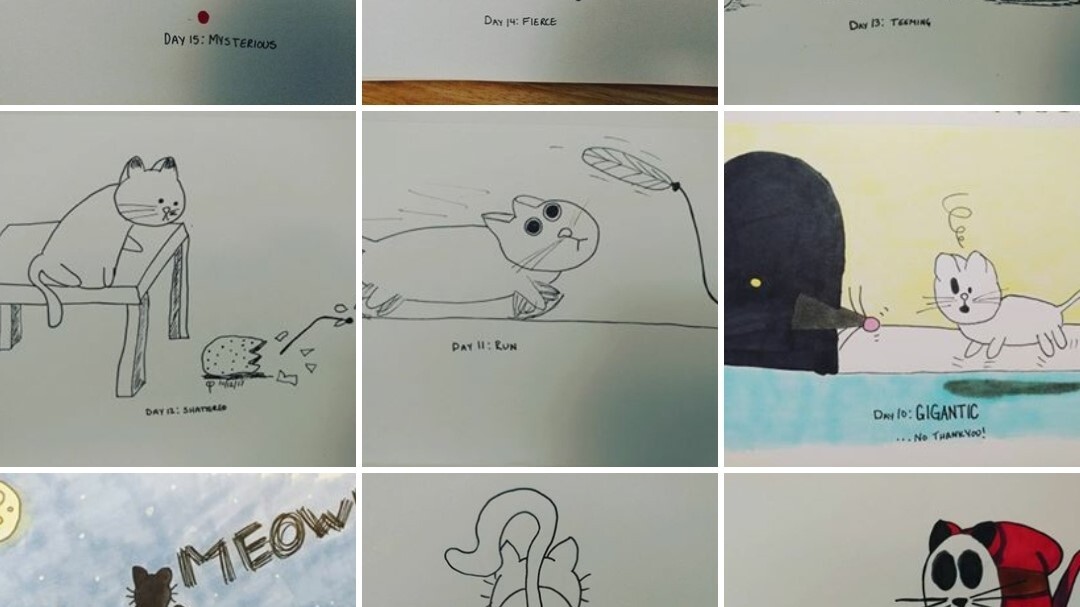
Online art challenges have emerged as a dynamic platform for artists to showcase their creativity, engage with a community, and enhance their skills. These challenges often involve specific themes, prompts, or techniques that participants must incorporate into their artwork, fostering a spirit of innovation and experimentation among diverse creators. The types of online art challenges available cater to a wide array of artistic preferences and styles.
Some challenges focus on daily or weekly prompts, encouraging artists to produce a piece of work within a set timeframe, while others may emphasize specific mediums such as digital art, watercolor, or traditional drawing. Additionally, some challenges are centered around particular themes, such as nature, fantasy, or social issues, allowing artists to explore their interpretations within those contexts.
Benefits of Participating in Online Art Challenges
Engaging in online art challenges offers numerous advantages for artists at all levels. These challenges not only foster creativity but also promote discipline and consistency in art practice.
- Skill Development: Regular participation in challenges helps improve technical skills as artists experiment with different techniques and media.
- Community Engagement: Artists can connect with fellow creators, receive constructive feedback, and build a supportive network that fuels inspiration and collaboration.
- Portfolio Enhancement: Completing challenges can lead to a diverse body of work that strengthens an artist’s portfolio, showcasing versatility and adaptability.
- Exposure: Many online challenges have a large audience and participating can lead to increased visibility for artists, potentially attracting followers and opportunities.
- Personal Growth: Meeting the challenge of creating art regularly can lead to greater confidence in one’s abilities and a clearer artistic voice.
“Art challenges not only push boundaries but also open doors to new possibilities and connections.”
Overall, online art challenges serve as a valuable resource for artists seeking to enhance their craft and engage with the vibrant global art community.
Finding Art Challenges
Identifying art challenges can significantly enhance your creative skills while connecting you with other artists. With the rise of digital platforms, numerous opportunities exist for artists of all backgrounds to engage in exciting challenges that inspire and foster creativity.Multiple resources and platforms host online art challenges, providing artists with an opportunity to showcase their work. Some of the prominent platforms include:
- Instagram: This social media platform is a hub for artists to find and participate in various art challenges. Many artists and organizations post challenges using specific hashtags, making it easy to search and join.
- DeviantArt: Known for its vast community of artists, DeviantArt regularly hosts themed challenges where participants can submit their artwork for feedback and recognition.
- ArtStation: A professional platform for artists, ArtStation sometimes organizes contests and challenges, encouraging artists to create work based on specific prompts or themes.
- Facebook Groups: Various art-related groups on Facebook often initiate monthly or weekly challenges that cater to specific styles or themes.
- Reddit: Subreddits like r/ArtChallenge offer a platform for users to share their creations based on provided prompts, fostering a community of feedback and support.
Social Media Channels Promoting Art Challenges
Social media channels play a vital role in promoting art challenges, as they allow creators to connect and share their work globally. These platforms often feature regular announcements of ongoing challenges. The following channels are particularly effective for discovering new art challenges:
- Twitter: Artists and organizations frequently post about upcoming challenges, often with accompanying hashtags that help to track participation.
- Pinterest: A visual discovery platform, Pinterest is a great resource for finding inspiration and discovering new art challenges through curated boards.
- TikTok: With its rapid growth, TikTok has become a platform where artists showcase their challenge submissions, often trending within the art community.
- YouTube: Many artists create videos detailing various challenges, providing insights and tutorials that can guide viewers in participating.
Discovering Niche Art Challenges
Exploring niche art challenges can help artists refine their skills in specific styles or genres, providing a unique opportunity for growth and experimentation. To find these specialized challenges, consider the following strategies:
- Follow Specific Hashtags: Research and follow hashtags related to your desired mediums or themes, such as #WatercolorChallenge or #PortraitDrawingChallenge, on social media platforms.
- Join Online Art Communities: Engaging in forums or groups focused on specific art styles can lead to discovering tailored challenges that align with your interests.
- Participate in Workshops: Many art workshops may include challenges as part of their curriculum, providing an excellent opportunity to practice within a structured environment.
- Artist Blogs and Websites: Many established artists maintain blogs or websites where they announce personal challenges or curate lists of niche challenges for their followers.
“Engaging in niche art challenges allows artists to delve deeper into their chosen styles, fostering both skill development and personal expression.”
Preparing for Art Challenges
Participating in online art challenges requires not only creativity and skill but also careful preparation. To make the most of these opportunities to showcase your talent, it is essential to gather the necessary tools, create a checklist, and establish a submission schedule that aligns with challenge timelines. This structured approach can enhance your experience and ensure that you meet all requirements in a timely manner.The following sections will detail the essential tools and materials you need, provide a comprehensive checklist for readiness, and suggest a schedule for planning your artwork submissions effectively.
Necessary Tools and Materials
To participate in online art challenges successfully, artists should equip themselves with the right tools and materials. Depending on the type of artwork being created, the requirements may vary. Below is a list of common supplies that can enhance your artistic journey:
- Art Supplies: Depending on your chosen medium, gather materials such as pencils, paints, brushes, markers, and paper. Consider the specific requirements of the challenge, such as preferred mediums or themes.
- Software: If participating in digital art challenges, ensure you have access to software such as Adobe Photoshop, Procreate, or Illustrator. Familiarize yourself with the tools within these programs to maximize your efficiency.
- Reference Materials: Collect reference images or inspiration pieces that align with the challenge theme. This helps in conceptualizing your artwork more effectively.
- Camera/Scanner: For traditional artists, having a good camera or scanner available is vital for digitizing your work clearly and professionally.
- Workspace: Create a comfortable and organized workspace that is conducive to creativity. Adequate lighting and a clutter-free area can significantly enhance your artistic process.
Checklist for Artists
Preparing for an online art challenge can be streamlined with a detailed checklist. This ensures that you have everything you need and are ready to focus on your creative efforts. Below is a suggested checklist that artists can follow before joining a challenge:
- Confirm the challenge details, including the theme, deadlines, and submission guidelines.
- Gather all necessary art supplies and materials as previously mentioned.
- Set up your workspace, ensuring it is clean, well-lit, and equipped with all tools.
- Research past submissions to understand the level of competition and style.
- Create a mood board or visual references to guide your artistic direction.
- Plan your time effectively to avoid last-minute rushes.
Schedule for Planning Artwork Submissions
Creating a schedule is crucial for successful participation in art challenges. A well-organized timeline helps artists manage their time efficiently and ensure timely submissions. Below is a suggested framework for planning artwork submissions based on challenge timelines:
| Task | Time Frame |
|---|---|
| Review challenge details and gather materials | 1 week before the challenge starts |
| Create sketches or drafts for your artworks | 3-5 days before submission deadline |
| Complete the final artwork | 2 days before submission deadline |
| Digitize or prepare the artwork for submission | 1 day before submission deadline |
| Double-check submission guidelines and submit | On the submission deadline |
By establishing a clear schedule, you can alleviate the pressure and enjoy the creative process as you participate in art challenges.
Creating Art for Challenges
Participating in online art challenges is an enriching experience that allows artists to showcase their creativity and skills. One of the vital components of this process is creating art that resonates with the theme of the challenge. This segment discusses effective strategies for brainstorming ideas, developing artwork aligned with challenge themes, and experimenting with various mediums.Generating ideas for art challenges involves a few key techniques that can help artists tap into their creativity and produce compelling artworks.
Engaging in brainstorming sessions can serve as a foundational step. Artists can utilize the following methods to stimulate their creativity:
Techniques for Brainstorming Ideas
Before starting any artwork, it is essential to explore a variety of concepts. The following techniques can assist artists in generating unique ideas:
- Mind Mapping: Create a visual representation of related ideas, branching out from the central theme of the challenge. This technique helps in visualizing connections and sparking new ideas.
- Free Association: Write down any thoughts or images that come to mind when considering the challenge theme, without filtering or censoring your ideas.
- Reference Gathering: Collect images, articles, and other artworks that resonate with the challenge theme to inspire and refine your concepts.
- Setting Constraints: Limit the scope of your work by imposing certain rules, such as color palettes or subject matter, to encourage innovative thinking.
After brainstorming, the next step is to develop the artwork in a structured manner. This ensures that the final piece reflects the challenge theme effectively.
Step-by-Step Guide for Developing Artwork
Following a systematic approach can enhance the quality and coherence of your artwork. Here is a step-by-step guide:
- Research the Theme: Understand the details of the challenge theme, including any specific requirements or guidelines.
- Concept Development: Choose one or more ideas from your brainstorming session and sketch preliminary designs to visualize your concept.
- Medium Selection: Decide on the art medium that best suits your concept, considering the style and emotional tone you wish to achieve.
- Execution: Begin creating your artwork, maintaining a balance between your initial vision and any new ideas that may emerge during the process.
- Review and Refine: Take breaks to step back from your work, allowing you to return with fresh eyes. Make any necessary adjustments to enhance the final piece.
Experimentation plays a crucial role in the creative process, particularly during art challenges.
Methods for Experimenting with Different Mediums
Exploring various mediums not only diversifies an artist’s skill set but also enriches the artwork produced for challenges. Consider the following methods to encourage experimentation:
- Mixed Media: Combine different art materials, such as acrylics, watercolors, and collage elements, to create depth and texture.
- Digital Tools: Utilize digital platforms and applications to explore techniques that may not be feasible with traditional mediums.
- Technique Variation: Experiment with different painting or drawing techniques, such as layering, glazing, or using unconventional tools (e.g., sponges, brushes, or fingers).
- Timed Challenges: Set a timer for a short duration to create spontaneous artwork, encouraging rapid decision-making and innovative thinking.
As artists engage with the creative process, these techniques for brainstorming, structured development, and experimentation can significantly enhance their experience and the quality of their submissions in online art challenges.
Engaging with the Community
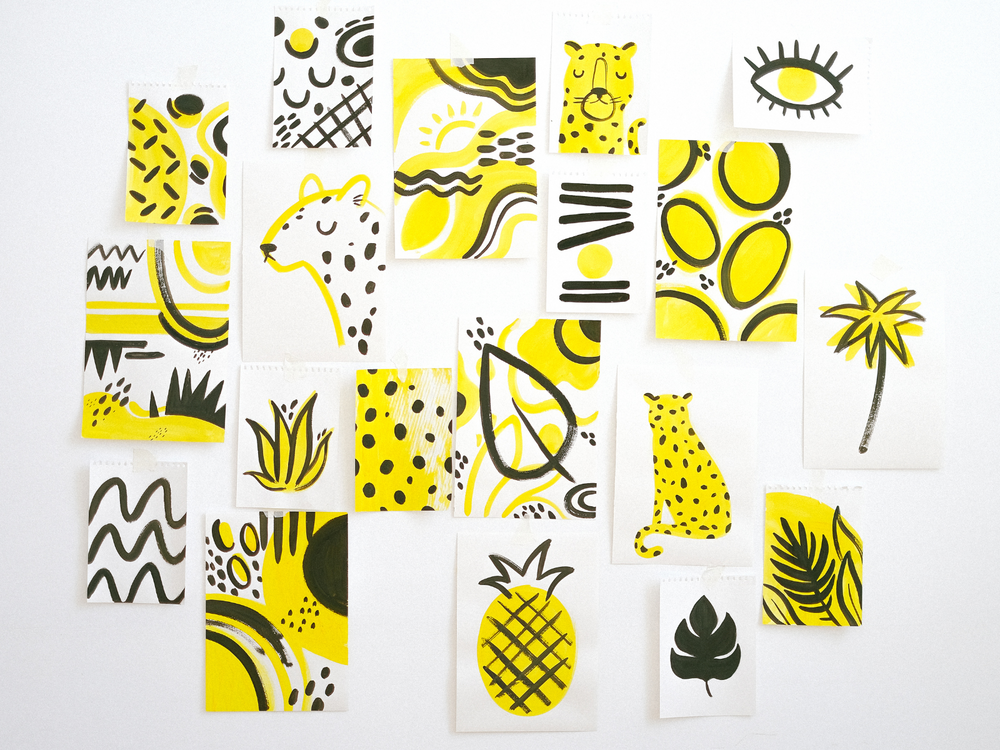
Engagement with the artistic community is a vital aspect of participating in online art challenges. By connecting with fellow artists, you not only enhance your artistic journey but also create a supportive network that fosters growth and creativity. Engaging with others can lead to inspiration, collaboration, and constructive feedback, all of which are essential for artistic development.Connecting with other artists participating in the same challenges can be accomplished through various online platforms.
Social media, art forums, and dedicated challenge websites provide ample opportunities for interaction. Here are key strategies for effectively engaging with the community:
Connecting with Fellow Artists
Building connections within the art community can be beneficial both personally and professionally. Engaging with others can be done through the following methods:
- Follow and interact on social media: Platforms like Instagram, Twitter, and Facebook are ideal for finding fellow artists. Commenting on their work, sharing their posts, and sending direct messages can help cultivate relationships.
- Join online art groups or forums: Participating in groups specifically dedicated to art challenges allows for focused discussions, collaboration, and networking. Look for groups that align with your interests and actively engage in conversations.
- Attend virtual events: Many art challenges host live events, workshops, or critiques. Attending these provides an opportunity to meet other artists and engage in meaningful discussions.
Receiving feedback and sharing artwork are crucial components of community engagement. Constructive feedback can enhance your skills and provide insights into your work. Here are some effective strategies for sharing your art and receiving valuable input:
Sharing Artwork and Receiving Feedback
When sharing your artwork, it is essential to create an inviting atmosphere for feedback. Consider the following approaches to facilitate interaction:
- Post artwork with a request for feedback: When sharing your work, explicitly ask for constructive criticism. This demonstrates your openness to growth and invites specific responses from viewers.
- Engage with feedback positively: When you receive comments, respond graciously, thanking individuals for their input. This encourages further dialogue and shows appreciation for their time and effort.
- Provide feedback to others: Actively participating in the feedback process by critiquing others’ work not only supports your peers but also helps you develop a critical eye for your own art.
Supporting fellow artists is an essential aspect of nurturing a healthy community. By providing encouragement and recognition, you can help foster an environment where creativity thrives. Here are ways to actively support other artists:
Supporting Fellow Artists
Engaging with the artwork of your peers plays a significant role in community building. Here are effective ways to show your support:
- Like and share their work: Simple actions such as liking and sharing your fellow artists’ posts can significantly increase their visibility and encourage them.
- Participate in collaborations or challenges with them: Teaming up for projects or challenges not only strengthens your bond but can also result in unique and innovative artwork.
- Promote their achievements: Celebrate the milestones and successes of your peers. Publicly acknowledging their accomplishments can boost their confidence and promote a sense of camaraderie.
Engaging with the art community enriches your artistic experience and strengthens the connections that drive creativity and collaboration.
Submitting Your Artwork
Submitting artwork for online challenges is an essential step that can significantly impact your visibility and success in the art community. Understanding the submission process, including adhering to specific guidelines and presenting your work professionally, is crucial for making a positive impression.When participating in online art challenges, it is important to follow the submission guidelines provided by the host platform.
Each challenge may have its own set of rules regarding file types, dimensions, and submission deadlines. Failure to comply with these requirements can result in disqualification.
Guidelines for Submission
Every online platform has unique rules and requirements for artwork submissions. Following these guidelines ensures that your artwork is considered and appreciated. Below are key elements to keep in mind when submitting your work:
- File Format: Ensure your artwork is submitted in the specified file format, such as JPEG, PNG, or GIF. Different platforms may have preferences, so always check their guidelines.
- Size Specifications: Adhere to the recommended dimensions for your artwork. Some challenges may require a specific pixel size or aspect ratio for optimal viewing.
- Deadlines: Submit your artwork before the cutoff time. Late submissions may not be accepted, regardless of the quality of the work.
- Attribution: Include relevant information such as your name, title of the artwork, and a brief description if required. This helps to attribute your work correctly and increases your visibility.
- Tags and Categories: Use appropriate tags and choose the correct category when submitting. This aids in the organization and visibility of your artwork within the challenge.
Importance of Adhering to Challenge Rules
Adhering to the rules and requirements of the challenge is paramount for several reasons. Following instructions demonstrates professionalism and respect for the organizers. Additionally, it ensures that your submission is eligible for consideration.
“Failing to follow submission guidelines can result in immediate disqualification from the challenge.”
Presenting Artwork Professionally
The presentation of your artwork greatly affects its reception. A professional-looking submission enhances your credibility as an artist and can attract more attention. To ensure a polished presentation, consider the following tips:
- High-Quality Images: Use high-resolution images to showcase your artwork. Blurry or poorly-lit images can detract from the overall impact.
- Editing: Utilize editing tools to enhance the colors and sharpness of your artwork, but avoid over-editing which can misrepresent your work.
- Background: Choose a clean and neutral background for showcasing your artwork to avoid distractions. A simple backdrop allows your art to stand out.
- Watermarks: If you wish to protect your work from unauthorized use, consider adding a discreet watermark. Ensure it does not obscure the artwork itself.
- Consistent Style: Maintain a consistent style in your presentation across different submissions. This helps in building your personal brand as an artist.
Showcasing Completed Works
Presenting your completed artworks in a compelling manner is a vital step in maximizing the impact of your participation in online art challenges. It allows you not only to demonstrate your artistic capability but also to connect with a wider audience who may appreciate your creativity. Utilising various platforms and methods to showcase your work can significantly enhance your visibility and engagement within the art community.Various methods exist for displaying your completed artworks, particularly on personal websites and social media platforms.
Each method offers unique advantages, and selecting the right one will help in effectively highlighting your artistic endeavors.
Displaying Artworks on Personal Websites and Social Media
Creating an engaging online presence is essential for showcasing your art. Below are effective strategies for displaying your completed works:
- Personal Website: Design a dedicated portfolio section that features a gallery of your challenge entries. Ensure that each piece is accompanied by a brief description, including the title, medium, and inspiration behind the artwork. This personal touch can deepen viewer appreciation.
- Social Media Platforms: Utilize platforms such as Instagram, Facebook, and Pinterest to share your artworks. Use high-quality images and relevant hashtags to reach a broader audience. Engaging captions can also invite discussions and interactions with your followers.
- Art-centric Platforms: Websites like Behance or ArtStation provide excellent platforms for artists to showcase their work. These platforms are tailored for creative individuals and often attract art enthusiasts and potential collaborators.
Reflecting on your participation in art challenges is equally important. Acknowledging your growth and celebrating your accomplishments can not only boost your confidence but also motivate you for future endeavors.
Creating an Online Portfolio that Highlights Challenge Entries
An effective online portfolio serves as a comprehensive showcase of your artistic journey, particularly your challenge entries. The following components are critical in developing such a portfolio:
- Selection of Works: Curate your best pieces from the challenges you participated in. Aim for diversity to represent your range of skills and styles.
- Artist Statement: Include a personal statement that communicates your artistic vision and the significance of the challenges in your development. This adds an insightful layer for viewers.
- Organized Layout: Structure your portfolio logically, perhaps chronologically, to illustrate your growth over time. Clear categories may also help visitors navigate through your work easily.
Celebrating your participation in art challenges is an integral part of your artistic journey. Reflecting on your achievements can provide motivation and direction for future projects.
Reflecting on and Celebrating Participation
Acknowledging your participation in art challenges encourages growth and fosters a sense of community. Here are some strategies to reflect on your journey and celebrate your progress:
- Document Progress: Keep a record of your entries along with comments or feedback received. This can serve as a reflective tool to understand your evolution as an artist.
- Share Insights: Write blog posts or social media updates about your experiences in each challenge. Discuss what you learned and how it influenced your artistic style.
- Engage with the Community: Celebrate milestones by sharing your journey with fellow artists. Engaging in discussions about experiences can inspire others and create a supportive network.
By effectively showcasing your completed works, you not only exhibit your talent but also cultivate an enriching experience that enhances your artistic practice and community involvement.
Learning and Growing through Challenges
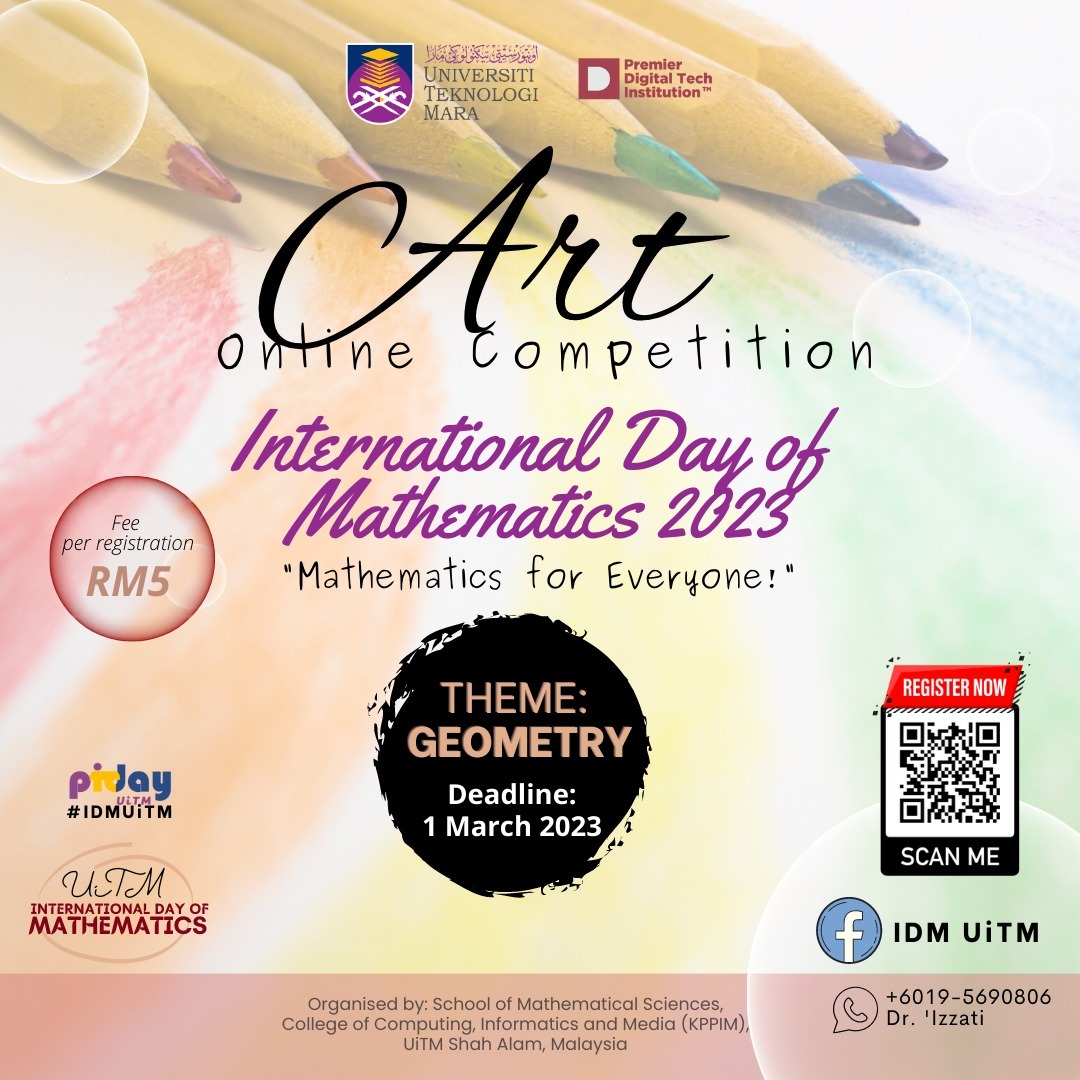
Participating in online art challenges offers a unique opportunity for artists to push their boundaries, refine their skills, and develop new techniques. These challenges not only serve as a platform for creativity but also foster a sense of community and collaboration among artists. In this section, we will explore how engaging in these challenges can lead to significant personal and artistic growth.One of the most notable benefits of taking part in online art challenges is the improvement of specific skills and techniques.
Artists can target areas where they wish to enhance their abilities by committing to themed challenges or prompts that encourage experimentation.
Skills and Techniques Enhancement
Engaging in art challenges often leads to the enhancement of various skills. The flexibility and variety of prompts allow artists to focus on numerous aspects of their craft. Below are some skills that can be improved through regular participation in these challenges:
- Technical Skills: Artists can improve their drawing, painting, or digital art techniques by practicing regularly under constraints, such as time limits or specific themes.
- Conceptual Development: Challenges encourage artists to think critically about their concepts, pushing them to create more cohesive and thoughtful artworks.
- Style Exploration: Experimenting with different styles and mediums during challenges can help artists discover or refine their unique artistic voice.
- Time Management: Many challenges require artists to work within a set timeframe, enhancing their ability to manage time effectively while ensuring quality output.
The importance of these skills cannot be overstated, as they lay the groundwork for an artist’s continued development and confidence in their work.
Personal Growth Stories from Artists
Many artists have shared inspiring stories about how participating in art challenges transformed their artistic journey. These narratives often highlight the unexpected growth that comes from stepping outside one’s comfort zone. For instance, an artist who initially struggled with color theory found that participating in a month-long color challenge dramatically improved their understanding and application of color in their artwork.
Through daily practice and feedback from peers, this artist not only enhanced their skills but also gained a newfound passion for using vibrant colors in their work.Another artist recounted how a sketch challenge led them to develop a daily habit of drawing, resulting in a significant increase in their overall productivity and skill level. They emphasized that the supportive community surrounding these challenges provided crucial encouragement and constructive criticism, which further fueled their growth.
Importance of Feedback and Critique
Feedback and critique play a vital role in an artist’s development and in shaping their unique style. Engaging with a community allows artists to receive diverse perspectives on their work, which can be invaluable for growth. The following points highlight the significance of feedback:
- Constructive Criticism: Receiving feedback helps artists identify areas for improvement, refine their techniques, and focus on aspects that need more attention.
- Encouragement: Positive reinforcement from peers can boost an artist’s confidence, motivating them to take risks and explore new ideas.
- Networking Opportunities: Engaging with others through critiques can lead to collaborations and connections that may benefit an artist’s career.
- Reflection: Critique forces artists to reflect on their work, fostering a deeper understanding of their artistic choices and intentions.
Participating in online art challenges encourages not only technical skill development but also emotional growth as artists learn to embrace feedback and use it to elevate their craft.
Ending Remarks
In conclusion, engaging in online art challenges is a wonderful way for artists to push their creative boundaries, connect with others, and experience personal growth. By following the guidelines on preparation, creation, and community engagement discussed herein, artists can maximize their participation in these enriching experiences. Embracing these challenges not only enhances one’s artistic skills but also celebrates the joy of creativity.