How to Improve Your Drawing Skills Faster is a journey filled with exploration, creativity, and dedication. Mastering the art of drawing involves understanding fundamental techniques and developing a structured approach to practice. By combining the basics of drawing with consistent efforts and the utilization of online resources, one can enhance their skills significantly and discover their unique artistic voice.
This guide covers essential aspects such as perspective, different drawing styles, and the importance of feedback, all of which are crucial for artistic development. Each section aims to provide you with actionable insights to facilitate your growth as an artist and encourage continual improvement.
Understanding the Basics of Drawing
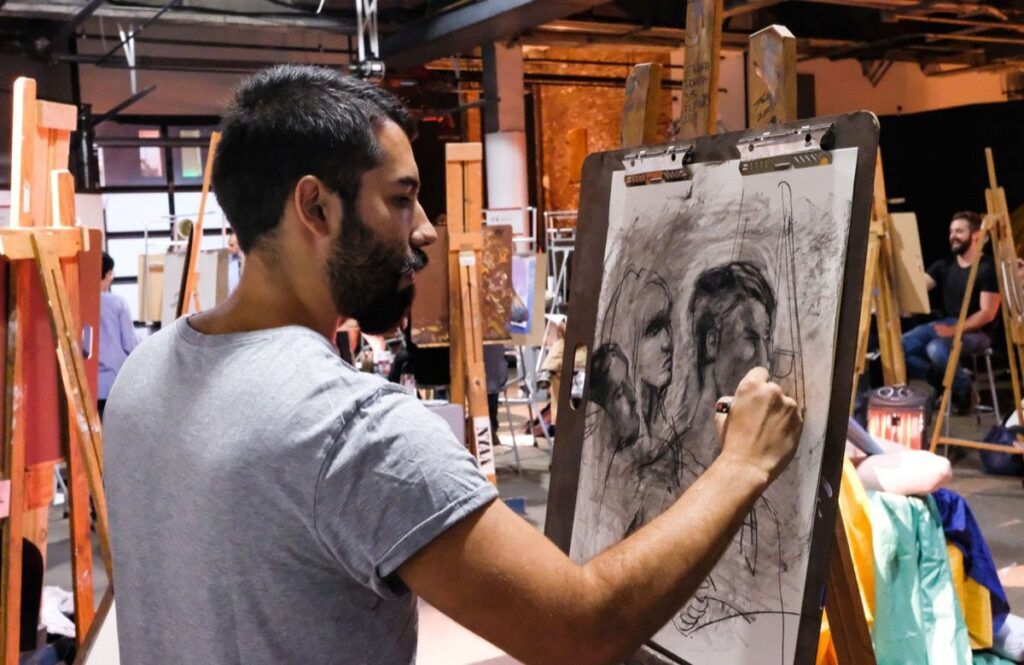
Drawing is a foundational skill for artists that encompasses a variety of techniques and concepts. Mastering the basics lays the groundwork for more advanced artistic expression. Aspiring artists often find that a solid understanding of fundamental elements such as lines, shapes, and shading is crucial to their growth. This section will delve into these essential concepts, exploring how they contribute to the overall quality of a drawing.One of the primary elements of drawing is the line.
Lines can be straight or curved, thick or thin, and they define the boundaries of shapes. Shapes, formed by connecting lines, can be geometric, such as squares and circles, or organic, resembling forms found in nature. Shading adds depth and dimension to these shapes, creating a sense of volume and form. Understanding how to manipulate these elements is vital for any artist.
Fundamental Drawing Techniques
To build a strong foundation in drawing, beginners should focus on mastering a few basic techniques. These techniques serve as the building blocks for more complex artwork. The following techniques are essential for developing proficiency in drawing:
- Gesture Drawing: This technique involves capturing the essence of a subject’s movement. It is often done quickly to convey action and flow, which helps in understanding the human form and its dynamics.
- Contour Drawing: In this method, the artist draws the Artikel of a subject without lifting the drawing instrument from the paper. This helps in honing observation skills and understanding shapes and relationships between forms.
- Hatching and Cross-Hatching: These shading techniques involve using parallel lines and intersecting lines, respectively, to create value and texture in a drawing. Mastery of these techniques can enhance the perception of light and shadow.
- Blocking In: This technique focuses on laying down the basic shapes and proportions of a subject before adding details. It aids in achieving proper form and perspective.
The significance of understanding perspective and proportions cannot be overstated. Perspective gives a sense of depth to a drawing, allowing the artist to depict three-dimensional space on a two-dimensional surface. Proportions relate to the size relationships between different elements in a drawing, ensuring that the subject appears realistic.
“Mastering perspective and proportions transforms a flat drawing into a lifelike representation.”
Incorporating these fundamental concepts and techniques into practice will significantly enhance a beginner’s drawing skills, setting the stage for more advanced artistic endeavors.
Developing a Consistent Practice Routine
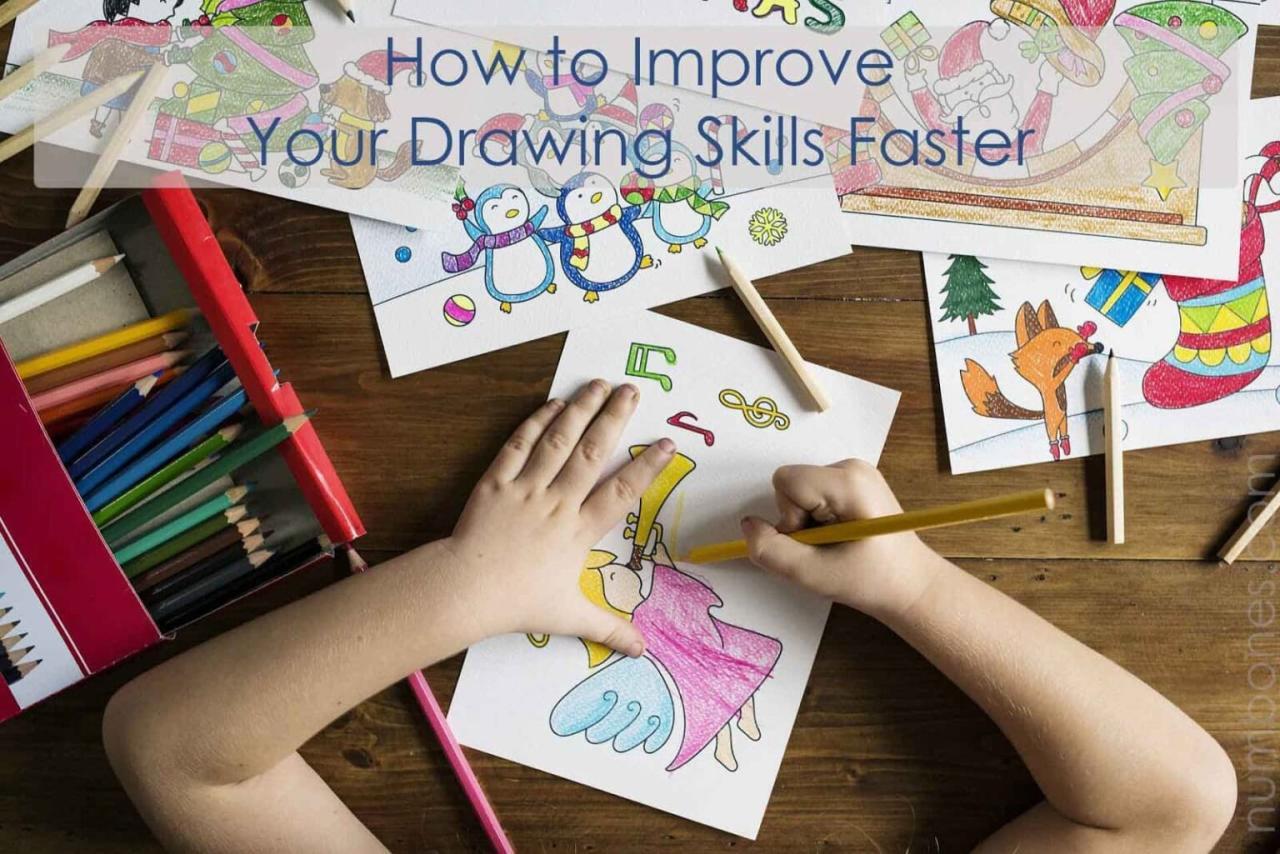
Establishing a regular drawing practice is essential for artists who wish to see significant improvements in their skills over time. A consistent practice routine not only fosters the development of technical abilities but also nurtures creativity and personal style. By allocating dedicated time for drawing, artists can gradually enhance their capabilities and deepen their understanding of artistic principles.Creating a daily or weekly drawing schedule is one of the most effective strategies for skill enhancement.
A well-structured routine ensures that practice becomes a habitual part of the artist’s life, thereby facilitating steady progress. To construct this schedule, it is beneficial to identify specific days and times dedicated to drawing. Here are some actionable steps to consider when developing your drawing practice routine:
Establishing a Drawing Schedule
A drawing schedule should be tailored to fit individual lifestyles and commitments. Consider the following methods to establish a practical routine:
- Begin with short sessions: Start with 15-30 minutes daily to avoid burnout and gradually increase the duration as comfort grows.
- Choose consistent times: Designate specific times during the week that consistently work for you, such as early mornings or evenings.
- Incorporate variety: Plan different types of drawing exercises (e.g., figure drawing, still life, landscapes) to keep practice engaging and comprehensive.
Tracking improvement is a critical aspect of any drawing practice. By methodically documenting progress, artists can identify strengths and areas for further development. Some effective methods for tracking improvement include:
Methods for Tracking Improvement
Utilizing various tools can help artists monitor their growth over time. Consider these strategies for effective tracking:
- Keep a sketchbook journal: Regularly date sketches and note observations about technique, composition, and progress.
- Photograph artwork: Capture high-quality images of your drawings at intervals (monthly, quarterly) for visual comparison.
- Set up a portfolio: Create a digital or physical portfolio that showcases your best work over time, reflecting the evolution of your skills.
Setting specific goals for each practice session enhances focus and productivity. Goals should be realistic and measurable to ensure clear targets are established. Here are some examples of effective goal-setting techniques:
Importance of Goal Setting
Establishing goals provides direction and motivation during practice. Here are important considerations for setting practice goals:
- Define clear objectives: Focus on specific techniques, such as improving line quality or mastering shading, for each session.
- Limit goals to one or two per session: Concentrating on a few targets can improve the quality of practice and prevent feeling overwhelmed.
- Reflect on achievements: At the end of each week, review the goals met and areas that need more attention to adjust future practice plans.
Utilizing Online Resources and Tools
In today’s digital age, aspiring artists have an abundance of online resources at their fingertips, which can significantly enhance their drawing skills. By leveraging various platforms, tutorials, and communities available on the internet, artists can broaden their knowledge, practice techniques, and receive valuable feedback. This section will explore effective ways to utilize these resources for accelerated learning and skill improvement.
Identifying Useful Online Platforms and Tutorials
Numerous online platforms offer comprehensive courses, tutorials, and instructional videos that cater to different skill levels and artistic styles. Engaging with these resources can provide you with structured learning paths and insights from experienced artists. Below are some notable platforms:
- YouTube: A vast repository of free tutorials, covering everything from basic techniques to advanced drawing methods. Channels like Proko and Drawabox offer structured lessons and insightful tips.
- Skillshare: A subscription-based service featuring numerous classes on drawing, taught by professional artists. Topics range from figure drawing to digital art.
- Udemy: Offers a wide variety of drawing courses, often available at discounted prices, allowing you to learn at your own pace.
- Domestika: Focused on creative courses, Domestika provides high-quality classes led by industry professionals, particularly in illustrative techniques.
Effectively Using Drawing Apps or Software
Incorporating drawing applications and software into your practice can significantly enhance your skills, particularly for digital art. Understanding how to navigate and utilize these tools efficiently will maximize your learning experience. Some popular applications include:
- Procreate: A powerful app for iPad that offers extensive brush options, layers, and tools for both beginners and professionals. The intuitive interface encourages experimentation.
- Adobe Fresco: Designed for drawing and painting, it combines vector and raster brushes, providing flexibility and a natural drawing experience on tablets.
- Krita: An open-source painting program suitable for digital drawing and animation, featuring a user-friendly interface and a wealth of resources available online for learning.
Understanding the features of these applications can lead to better workflow and technique development. For instance, utilizing layers allows for non-destructive editing, and experimenting with different brush settings can help you find your unique style.
Joining Online Art Communities for Feedback
Participating in online art communities or forums offers artists an opportunity to connect with peers, share their work, and receive constructive feedback. Engaging with these communities not only fosters a sense of belonging but also accelerates learning through interaction. Key platforms for this purpose include:
- DeviantArt: A long-standing platform where artists can showcase their work, join groups, and receive feedback from fellow artists.
- ArtStation: Primarily for professional artists, ArtStation allows users to display portfolios, find inspiration, and network within the industry.
- Reddit: Subreddits such as r/learnart provide a platform for artists to ask questions, share progress, and receive critique from a supportive community.
Engaging actively in these platforms enhances your artistic journey, as feedback from others can offer fresh perspectives and highlight areas for improvement.
Exploring Different Drawing Styles
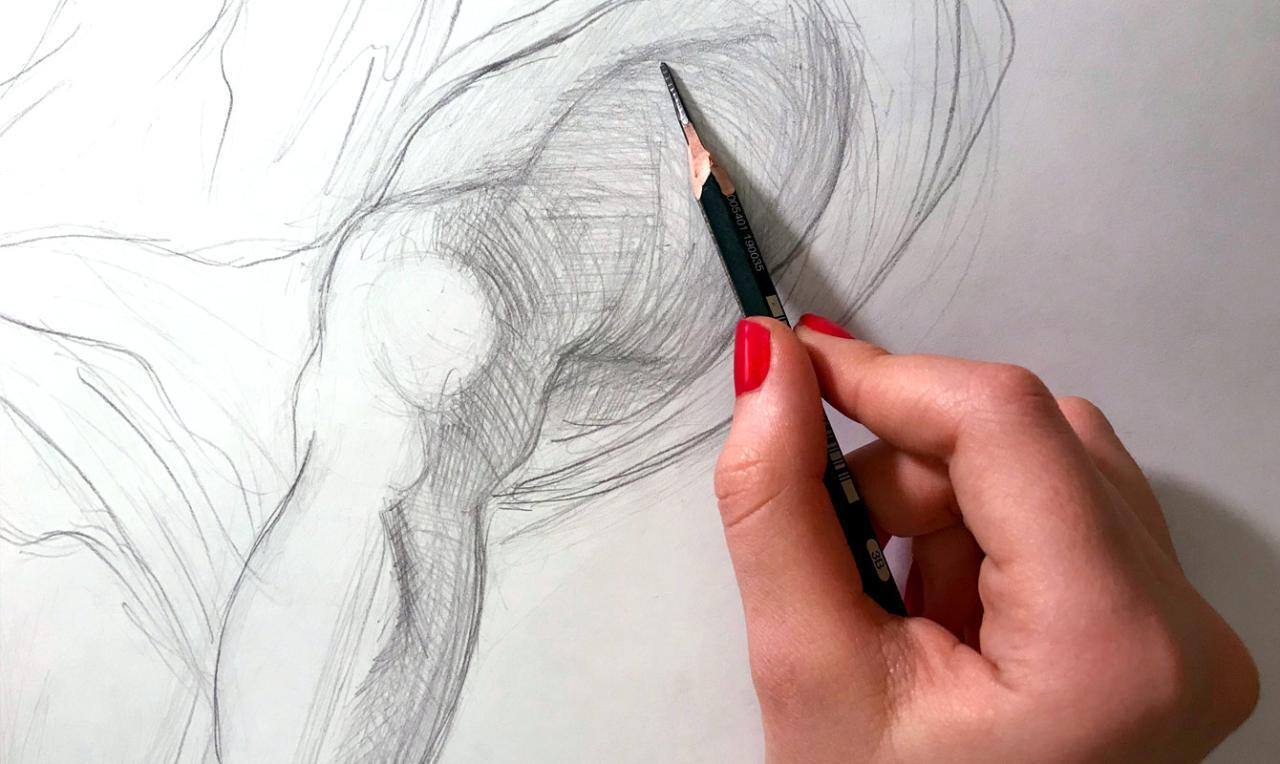
Drawing is a versatile art form that allows for the expression of ideas, emotions, and narratives through various styles. Each drawing style possesses distinct characteristics, techniques, and historical significance, which contribute to their appeal and relevance in the art world. Understanding these styles not only enriches an artist’s repertoire but also serves as a source of inspiration and personal exploration.
Characteristics of Various Drawing Styles
Different drawing styles can be categorized based on their techniques, subject matter, and visual impact. Below are some prominent styles, along with their key features and notable artists who exemplify these approaches:
- Realism: This style seeks to depict subjects as they appear in everyday life, prioritizing accuracy and detail. Artists like Gustave Courbet and Andrew Wyeth are known for their meticulous attention to realism, capturing textures and light effectively. Techniques used in realism often include smooth shading, fine lines, and a focus on perspective.
- Cartoon: Cartoon drawings are characterized by exaggerated features, vibrant colors, and often humorous narratives. Artists such as Charles Schulz, creator of “Peanuts”, and Walt Disney, known for iconic characters like Mickey Mouse, utilize simplification and stylization to evoke emotions. This style frequently employs bold Artikels and flat colors, making it accessible and appealing to a wide audience.
- Abstract: Abstract drawing focuses on the use of shapes, colors, and forms to convey emotions or concepts rather than represent reality. Famous artists like Wassily Kandinsky and Jackson Pollock embraced abstraction to challenge traditional views of art. Techniques may involve spontaneous brushwork, unconventional shapes, and a disregard for realistic representation, enabling artists to explore deeper meanings.
- Expressionism: This style prioritizes emotional experience over physical reality, often using distortion and vivid colors to portray feelings. Artists such as Edvard Munch, known for “The Scream”, and Egon Schiele utilized exaggerated forms and dramatic color palettes to evoke intense emotions in their work. The techniques often include dynamic lines and bold contrasts.
- Surrealism: Surrealism combines realistic elements with dream-like scenes and bizarre juxtapositions, aiming to tap into the unconscious mind. Salvador Dalí’s works, like “The Persistence of Memory”, showcase this style’s emphasis on unexpected combinations and symbolism. Techniques often include meticulous detail paired with fantastical themes, creating a sense of intrigue and wonder.
By exploring these diverse styles, artists can engage with various techniques and concepts that may resonate with their personal experiences and creative processes. Experimentation with different drawing styles is encouraged, as it assists artists in discovering their unique voice and aesthetic preferences. Each style offers a distinct perspective on the world, allowing for personal expression and growth as an artist.
Learning from Critiques and Feedback
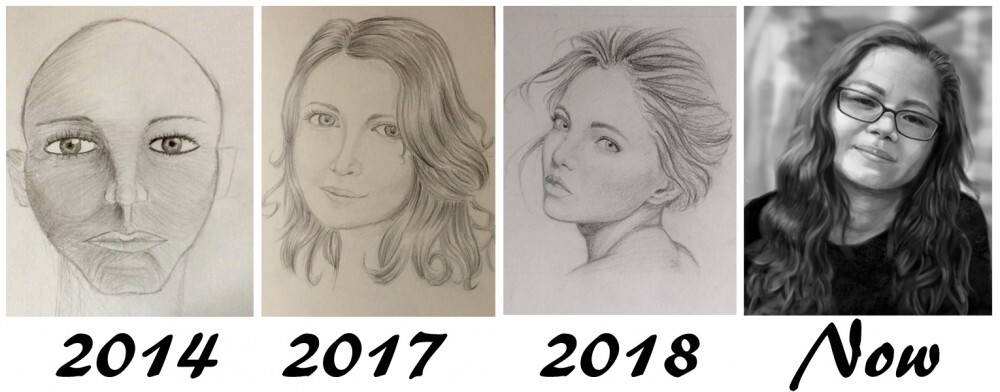
Accepting critiques and feedback is an essential part of advancing one’s drawing skills. Constructive criticism from peers and mentors can illuminate areas needing improvement, while self-evaluation encourages artists to develop a critical eye for their own work. Understanding how to receive and utilize feedback effectively can significantly enhance an artist’s growth and artistic journey.
Utilizing Critique for Improvement
Receiving feedback can often be challenging; however, embracing it as a valuable tool for growth is crucial for artists. To maximize the benefits of critiques, artists should consider the following methods:
- Approach feedback with an open mind, recognizing that different perspectives can highlight aspects of your work you may have overlooked.
- Seek specific feedback rather than general impressions, which allows for targeted improvements. For example, ask peers about composition, color choice, or techniques used.
- Keep a journal or document feedback received, enabling you to track recurring themes or suggestions that could guide future projects.
- Implement the feedback in your practice, taking time to reflect on how changes impact your work, thereby fostering a practical learning environment.
Providing Constructive Feedback
Giving constructive feedback to fellow artists is equally important, as it fosters a supportive community and encourages everyone’s growth. When offering feedback, consider these key points:
- Be specific in your observations by citing particular elements of the artwork, such as line quality or shading techniques, rather than vague assessments.
- Balance criticism with positive remarks to help maintain the recipient’s confidence and motivation. Highlight what works well before discussing areas for improvement.
- Encourage the artist by suggesting potential solutions or alternatives, which can help them explore new possibilities in their work.
- Be empathetic; remember that receiving critiques can be difficult, and approach the conversation with kindness and understanding.
Self-Evaluation and Reflection
Self-evaluation is a critical practice for any artist seeking to refine their skills. It involves a thorough assessment of one’s own work to identify strengths and areas for growth. The process can be structured as follows:
- Review completed pieces regularly, taking the time to analyze your artistic choices in terms of technique, composition, and emotional impact.
- Establish a set of criteria for evaluation, such as adherence to your intended style, execution of techniques, and overall effectiveness of the piece.
- Write reflective notes on what aspects you enjoyed and what you found challenging in each artwork, creating a personal record of your artistic journey.
- Set goals based on your evaluations, which could include mastering a technique or exploring a new style, guiding your practice direction.
“Feedback is the breakfast of champions.” – Ken Blanchard
Incorporating Anatomy and Life Drawing
Studying human anatomy and engaging in life drawing is crucial for any artist striving to enhance their drawing skills. A thorough understanding of anatomy provides a solid foundation for accurately representing the human form, contributing to more lifelike and dynamic artwork. Life drawing, in which artists sketch from real-life subjects, further sharpens observational skills and enhances the ability to capture movement and emotion.Understanding human anatomy is vital for creating realistic representations in drawing.
The human body is intricate, with its muscles, bones, and proportions forming a complex structure. By studying anatomy, artists can learn how body parts interact, understand movement dynamics, and accurately depict proportions. This knowledge enables artists to create more convincing and dynamic figures, enhancing the overall quality of their work.
Importance of Studying Anatomy
The study of human anatomy in drawing serves multiple purposes. Firstly, it provides artists with the knowledge necessary to depict body parts accurately. Secondly, understanding the anatomy aids in creating poses that convey the intended emotion or action. Lastly, a strong grasp of anatomy empowers artists to experiment with stylization while maintaining a sense of believability.
“Anatomy is the key to understanding the artistic language of the human form.”
Exercises for Practicing Life Drawing
Engaging in life drawing exercises can significantly improve an artist’s ability to capture movement and form. Here are some effective practices to enhance your skills:
Gesture Drawing
Focus on drawing quick, fluid sketches of a live model to capture the essence and movement of the pose. Aim for 30 seconds to 2 minutes per sketch.
Long Pose Drawing
Spend extended time (20 minutes to several hours) on a single pose to work on detail and accuracy, allowing for deep observation of proportions and anatomy.
Contour Drawing
Practice contour drawing by outlining the figure without looking at the paper. This exercise helps build hand-eye coordination and encourages a focus on the subject rather than the drawing itself.
Dynamic Movement Studies
Observe dancers or athletes in motion and sketch their poses to understand how movement affects the human form, capturing the fluidity and energy of their actions.
Benefits of Observing Real-Life Subjects
Observing real-life subjects offers invaluable insights that are difficult to replicate through photographs or imagination. When artists draw from life, they develop a heightened awareness of proportion, perspective, and anatomy. This practice encourages artists to perceive subtle details, such as muscle tension or the way light interacts with the skin, fostering a deeper connection to their subject matter.Drawing from life also aids in understanding the relationships between various body parts as they change with movement.
Artists who regularly engage in life drawing often find that their ability to visualize and represent the human figure improves dramatically. The tactile experience of working from a live model allows for immediate adjustment and refinement, which is an essential aspect of skill development.In summary, incorporating anatomy and life drawing into your practice is essential for improving your drawing skills.
By studying the human body, engaging in targeted exercises, and observing real-life subjects, artists can enhance their technical abilities, leading to more expressive and dynamic artwork.
Experimenting with Different Mediums
Exploring various drawing mediums can significantly enhance an artist’s skill set and versatility. Each medium possesses unique properties, enabling artists to create a diverse range of expressions and styles. Understanding these differences is essential for anyone looking to improve their drawing skills, as it allows for experimentation and self-discovery in artistic practice.Different drawing mediums provide distinctive textures, levels of detail, and methods of application.
Here, we will delve into a few popular mediums, discussing their characteristics and the outcomes they can produce. This exploration not only enriches the artist’s toolkit but also influences their artistic voice and style.
Pencil
Pencil is one of the most accessible and versatile drawing mediums. It can produce a range of values from light to dark, allowing for detailed rendering and subtle shading. The ability to erase and layer graphite makes it suitable for both beginners and advanced artists.When creating artwork with pencil, artists often start with a light sketch, gradually building up dark tones to add depth and dimension.
The results can vary dramatically based on the pencil grade used, as softer pencils create darker lines, while harder pencils yield finer details. Artists might analyze their work for contrast and balance, adjusting their technique accordingly.
Charcoal
Charcoal is favored for its rich, deep blacks and capacity for expressive line work. This medium can be smudged and blended easily, offering a distinct look that differs from pencil. It is particularly effective for capturing dramatic lighting and bold contrasts.Creating artwork with charcoal often involves the use of large strokes for initial Artikels, followed by layering and blending to achieve depth and texture.
The tactile nature of charcoal allows artists to explore gestural forms and dynamic expressions. Analyzing charcoal pieces often reveals the importance of negative space and overall composition, guiding artists to refine their methods.
Ink
Ink is a medium that provides a unique level of permanence and intensity. Whether using pens, brushes, or even ink washes, this medium allows for intricate details and striking contrasts. The fluidity of ink can create both controlled lines and spontaneous splashes, making it an exciting choice for expressive work.Artists typically approach ink with a focus on precision, as corrections can be challenging.
Techniques such as hatching and cross-hatching enhance shading and texture, while washes can introduce subtle gradients. Evaluating ink artwork often emphasizes line quality and composition, prompting artists to experiment with various techniques to convey mood and depth.
Pastels
Pastels, both oil and soft varieties, offer vibrant colors and a painterly quality. They can be layered and blended much like paint, providing a unique approach to drawing. Pastels are particularly effective for achieving vibrant portraits and landscapes.Creating artwork with pastels involves applying layers of color to build depth and richness. Artists often experiment with blending techniques to achieve smooth transitions between shades.
Analyzing pastel works typically focuses on color harmony and the emotional impact of color choices, encouraging artists to explore different palettes and styles.
Digital Mediums
Digital drawing mediums have gained immense popularity due to their versatility and ease of use. Tools like graphic tablets and software applications allow for endless experimentation without the limitations of traditional mediums. Artists can easily undo mistakes, layer elements, and manipulate their work with precision.Creating digital art involves understanding various brushes and settings within software to achieve desired effects. The ability to zoom in and out facilitates detailed work and overall composition adjustments.
Reflecting on digital artwork often leads to discussions about style consistency and the integration of elements from different mediums, encouraging artists to blend techniques innovatively.Experimenting with different mediums is a crucial part of developing one’s artistic skills. Each medium invites unique practices, styles, and expressions, helping artists to find their voice and refine their craft. By understanding and utilizing various mediums, artists can expand their creative boundaries and enhance their drawing repertoire.
Setting Up a Productive Workspace
Creating an ideal workspace for drawing is essential for nurturing creativity and enhancing productivity. A well-organized and aesthetically pleasing environment can significantly improve focus and inspire innovative ideas. Factors such as lighting, organization, and comfort play pivotal roles in establishing an effective drawing station.A suitable drawing environment should prioritize natural or soft artificial lighting to reduce eye strain and create a welcoming atmosphere.
Natural light is especially beneficial, as it not only enhances visibility but also contributes to mood elevation. Furthermore, an organized workspace allows artists to access their tools and materials swiftly, minimizing interruptions during the drawing process.
Lighting and Organization
Effective lighting options should be explored to ensure optimal visibility while drawing. The following considerations emphasize the importance of lighting and organization in a drawing workspace:
- Natural Light: Position your drawing table near a window to capitalize on daylight. This can elevate your mood and provide a vibrant color palette for your artwork.
- Task Lighting: Utilize adjustable desk lamps with LED bulbs to provide direct light to your workspace during low-light conditions without the harshness of fluorescent lights.
- Decluttered Space: Keep your workspace free from unnecessary items. A clean and organized area allows for a clear mind, which can enhance focus and creativity.
- Accessible Tools: Use storage solutions such as drawers, shelves, or organizers to keep art supplies within reach yet neatly arranged, allowing for seamless transitions between tasks.
Minimizing Distractions
To maintain focus during drawing sessions, it is crucial to minimize distractions in your workspace. Here are strategies to create a more conducive environment:
- Designate a Quiet Area: Choose a specific location in your home or studio that is away from noise and interruptions, making it easier to concentrate on your work.
- Limit Digital Distractions: Turn off notifications on electronic devices or use applications that limit social media access during dedicated drawing time.
- Set Boundaries: Inform family members or housemates of your drawing time to reduce interruptions, creating a respected space for your creative process.
- Control Ambient Noise: Consider using background music, white noise machines, or noise-canceling headphones to create a sound environment that facilitates concentration.
Creating a Comfortable and Inspiring Drawing Station
A comfortable drawing station enhances the overall experience and encourages prolonged engagement with the creative process. The following tips can help establish an inspiring and inviting workspace:
- Ergonomic Furniture: Invest in an adjustable chair and a desk suitable for your drawing activities to promote healthy posture and reduce fatigue during long sessions.
- Inspirational Decor: Surround yourself with artworks, motivational quotes, or images that resonate with you. This can provide a source of inspiration while working on your projects.
- Personal Touch: Customize your workspace with personal items or memorabilia that evoke positive memories or feelings, enhancing your emotional connection to the space.
- Green Elements: Incorporate plants or nature elements into your workspace. Studies have shown that greenery can reduce stress and improve overall well-being, which is beneficial for creativity.
Building Confidence in Your Skills
Developing confidence in your drawing abilities is a crucial aspect of becoming a proficient artist. It is common for artists to experience self-doubt and artistic blocks, especially when faced with new challenges or when comparing themselves to more experienced peers. By understanding and implementing effective strategies to boost your confidence, you can enhance your drawing journey significantly.Overcoming self-doubt and artistic blocks requires a multifaceted approach.
Recognizing that these feelings are a natural part of the creative process is essential. Embracing a positive mindset and focusing on personal growth rather than comparison can facilitate improvement. One effective strategy is to set achievable goals that align with your current skill level, gradually pushing your boundaries without overwhelming yourself.
Strategies for Overcoming Self-Doubt
Identifying and addressing self-doubt can empower artists to unlock their full potential. Here are several strategies to consider:
- Practice Positive Self-Talk: Replace negative thoughts with affirmations that reinforce your abilities and potential. For instance, remind yourself of past successes and the progress you’ve made.
- Limit Comparisons: Avoid constant comparisons with other artists. Understand that each artist has a unique journey and that your progress is personal.
- Record Your Progress: Keep a sketchbook that highlights your improvements over time. Reviewing past works can serve as a powerful reminder of your growth.
- Seek Support: Engage with fellow artists or communities where you can share your work and receive constructive feedback. This support can help mitigate feelings of isolation and self-doubt.
Motivational Techniques to Stay Inspired
Maintaining motivation is vital for continuous improvement in drawing. Inspiration can wane, but implementing specific techniques can reignite your passion for art. One effective method is to create a mood board that visually represents your artistic goals and inspirations. This can include images, color palettes, and quotes that resonate with your creative vision.Additionally, setting a regular schedule for drawing can instill discipline and make practice a habitual part of your routine.
Including diverse drawing subjects, such as landscapes, portraits, or abstract designs, can keep the experience fresh and engaging. Finding joy in the act of drawing itself, rather than solely focusing on the outcome, fosters a more enjoyable and fulfilling creative experience.
Importance of Celebrating Small Achievements
Recognizing and celebrating small milestones in your drawing journey is essential for building confidence. Each completed drawing, no matter how simple, contributes to your overall growth as an artist. Celebrating these moments reinforces positive behavior and encourages further exploration and experimentation.Consider creating a reward system for yourself. Upon completing a specific piece or mastering a new technique, treat yourself to something special, whether it be a new art supply or a day off to enjoy your favorite hobby.
Additionally, sharing these achievements with friends or online communities can amplify your sense of accomplishment and motivate you to continue setting and achieving new goals.In conclusion, building confidence in your drawing skills is a critical component of artistic growth. By actively employing strategies to overcome self-doubt, maintaining motivation, and celebrating your achievements, you can foster a more resilient and confident artistic practice.
Creating a Personal Project
Embarking on a personal art project serves as an exceptional avenue for consolidating drawing skills. It provides a structured framework within which artists can apply what they have learned, explore their creativity, and ultimately create a piece of work that reflects their unique artistic voice. By undertaking a project, one can integrate various techniques and styles into a cohesive body of work.To effectively plan, execute, and complete a personal art project, follow these systematic steps.
These guidelines not only streamline the artistic process but also ensure that the final product is polished and meaningful.
Project Planning and Execution Steps
Effective planning is crucial for a successful personal project. The following steps Artikel how to navigate this process:
1. Define Your Theme or Subject
Select a theme that resonates with you personally or one that you are passionate about. This could range from a specific topic, emotion, or concept you wish to explore through your drawings.
2. Set Clear Goals
Establish what you intend to achieve with your project. These goals might include mastering a specific technique, experimenting with colors, or expressing a particular narrative.
3. Create a Timeline
Develop a realistic timeline for your project that includes key milestones. This will help organize your work and keep you accountable. For example, allocate time for research, sketching, inking, and reviewing.
4. Gather Inspiration and Reference Material
Collect images, books, or artworks that inspire your theme. This material will guide your approach and fuel your creativity. Create a mood board to visually organize this inspiration.
5. Draft Preliminary Sketches
Begin with rough sketches to visualize your ideas. These drafts can help in refining your composition and planning the details before moving to the final piece.
6. Execute the Final Artwork
Transition from sketches to the final drawing, paying close attention to your established goals and the techniques you wish to implement. Remain open to adjustments as you progress.
7. Document the Process
Throughout your project, capture every stage of your work. Take photographs or maintain a sketchbook to document your progress. This not only serves as a reference but also as a valuable reflection on your growth as an artist.
Showcasing the Finished Work
Effectively showcasing your completed project is essential for receiving feedback and appreciation. Consider the following methods to present your artwork:
Create a Portfolio
Compile your drawings into a professional portfolio that highlights the evolution of your project. Include the initial sketches, final pieces, and documentation of your process. This portfolio can be both physical and digital.
Utilize Social Media and Art Platforms
Share your artwork on platforms like Instagram, Behance, or DeviantArt. These platforms allow you to reach a broader audience and connect with other artists, gaining valuable insights and critiques.
Participate in Art Exhibitions
Look for local art shows or community exhibitions where you can display your work. This could provide opportunities to engage with the public and receive direct feedback.
Create a Personal Website or Blog
Establish a space online where you can showcase your art, share your creative journey, and document future projects. This will serve as both a portfolio and a platform for personal expression.
“Creating a personal project not only hones your skills but also leads to the discovery of your unique artistic identity.”
Closing Notes
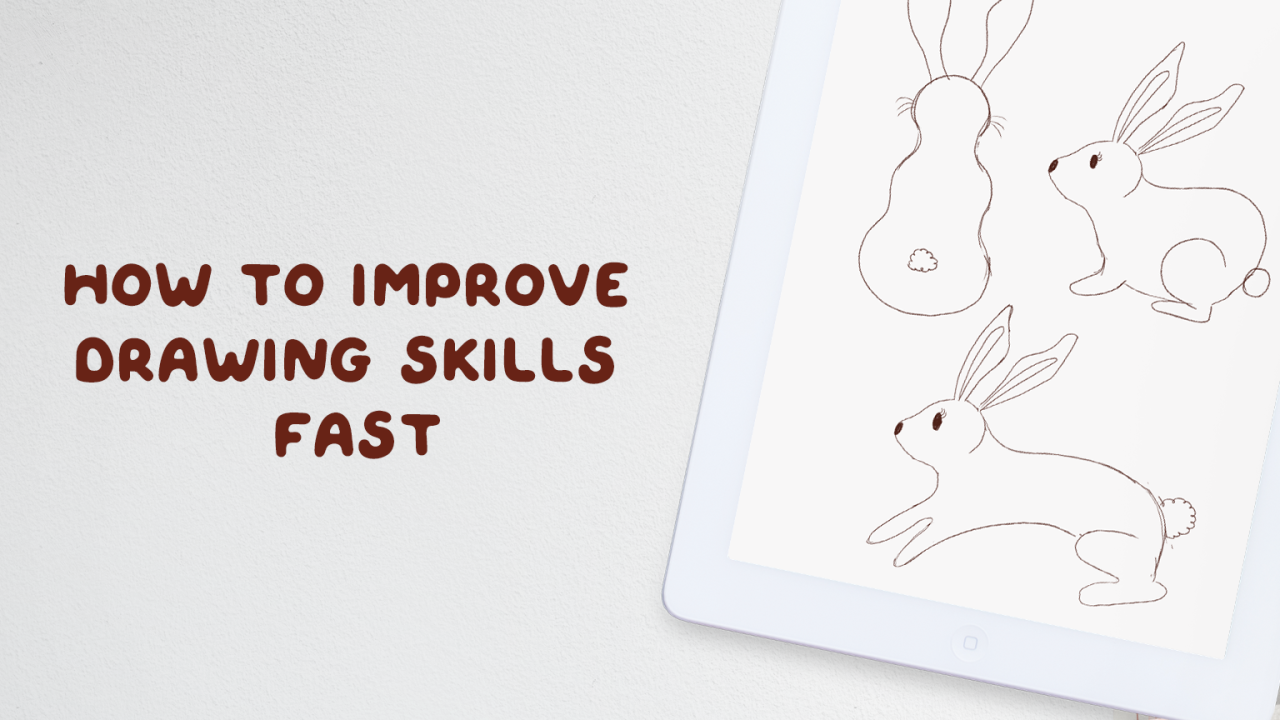
In summarizing our discussion on How to Improve Your Drawing Skills Faster, it is clear that a blend of foundational knowledge, consistent practice, and open-minded exploration of different techniques is key to artistic advancement. Embracing feedback and experimenting with various mediums will not only refine your skills but also enrich your creative experience. As you embark on this artistic journey, remember to celebrate your progress and express your artistry with confidence.