How to Analyze and Critique Your Own Artwork invites artists on an insightful journey of self-discovery and growth within their creative practice. This exploration emphasizes the importance of self-critique as a vital tool in artistic development, allowing individuals to gain a deeper understanding of their work and refine their skills. By regularly evaluating personal artwork, artists can cultivate a critical eye, enhancing their ability to express emotions and messages through their art.
Through the examination of key components such as composition, color, and technique, artists will learn to establish a foundation for effective self-assessment. This process not only encourages a more profound appreciation of one’s craft but also fosters an environment conducive to personal and artistic evolution.
Understanding the Importance of Self-Critique
Self-critique serves as a crucial component in the artistic development process. By engaging in self-analysis, artists can identify their strengths and weaknesses, fostering an environment conducive to growth and improvement. This practice not only refines one’s technical skills but also enhances creative expression, paving the way for more profound artistic exploration.Regularly analyzing personal work yields numerous benefits that contribute to an artist’s evolution.
It encourages an objective assessment of one’s creations, enabling the identification of recurring themes, styles, or techniques that may require further exploration or refinement. Moreover, this practice cultivates a deeper understanding of one’s artistic intentions and emotional responses, allowing artists to resonate more authentically with their audience.
Role of Self-Critique in Artistic Development
The self-critique process is integral to an artist’s journey, providing a structured means to evaluate one’s work. Engaging in this practice involves critical reflection on various aspects of artwork, such as composition, color palette, technique, and emotional impact. Artists can benefit from the following methods to develop a critical eye:
- Setting Specific Goals: Establishing clear objectives for each artwork facilitates focused analysis. For instance, an artist may decide to improve their use of color, prompting them to assess how effectively color choices convey mood or theme.
- Documenting Progress: Keeping a visual journal to track artistic growth over time can offer valuable insights. Reviewing past works alongside current projects helps in recognizing improvement areas and avoiding repetitive mistakes.
- Seeking Feedback: While self-critique is essential, obtaining external perspectives can enrich the analysis. Engaging with fellow artists or mentors offers fresh viewpoints that may highlight aspects overlooked during self-assessment.
- Creating a Checklist: Developing a checklist based on key elements of effective artwork aids in systematic evaluation. This checklist may include criteria such as composition balance, clarity of subject matter, and emotional resonance.
“Self-critique is not merely about identifying flaws but rather about fostering a dialogue between the artist and their work, leading to richer artistic expression.”
Regular practice of self-critique enables artists to cultivate a discerning eye, ultimately enhancing their ability to create impactful, meaningful art. By understanding the importance of self-evaluation, artists can embark on a transformative journey, continuously evolving in their craft and voice.
Elements to Consider in Artwork Evaluation
Evaluating artwork involves a deep understanding of its various components. Artists must be aware of the elements that define their work to facilitate meaningful self-critique. This assessment not only enhances artistic growth but also enriches the viewer’s experience, making it imperative to approach the evaluation systematically.To effectively evaluate a piece of artwork, several key components should be thoroughly assessed. The significance of composition, color, and technique cannot be overstated, as these elements work together to create the overall impact of the artwork.
An artist’s ability to harmonize these components often determines the success of a piece.
Key Components for Artwork Evaluation
When reflecting on a piece of artwork, it is essential to consider the following key components that contribute to its overall effectiveness:
- Composition: The arrangement of visual elements within the artwork influences how the viewer’s eye navigates the piece. A well-balanced composition can guide attention and evoke specific feelings.
- Color: The choice of colors and how they are applied can dramatically affect the mood and tone of an artwork. Understanding color theory and its emotional implications is crucial for impactful artwork.
- Technique: The methods and skills applied in the creation of the artwork, including brushwork and material use, reflect the artist’s proficiency and intention. Mastery of technique enhances both visual appeal and conceptual depth.
Evaluating Emotional Impact and Message
Understanding the emotional resonance and thematic message of an artwork is vital for comprehensive evaluation. This assessment can be aided by a structured checklist that focuses on the subjective and objective aspects of the piece:
- Emotional Response: What emotions does the artwork evoke in the viewer? Analyzing personal reactions can provide insight into the piece’s effectiveness.
- Message Clarity: Is the intended message clear and coherent? A strong artwork communicates its message effectively, making it memorable.
- Viewer Engagement: Does the artwork invite interaction or provoke thought? Engaging pieces often create a dialogue between the artwork and the viewer.
- Contextual Relevance: Consider how the artwork relates to its cultural or historical context. Understanding this can deepen appreciation and interpretation.
“Art is not what you see, but what you make others see.” – Edgar Degas
This checklist serves as a guide for artists to critically assess their work, ensuring that the emotional and intellectual layers are both present and impactful. Evaluating artwork with these elements in mind fosters continuous growth and a deeper connection to the artistic expression.
Techniques for Self-Assessment
Engaging in self-assessment is an essential process for artists striving for improvement and growth in their craft. By employing effective techniques for evaluating one’s artwork, an artist can gain valuable insights that contribute to their artistic development. This section Artikels specific strategies that facilitate a deeper understanding of one’s work, enabling more informed critiques.
Observing Artwork from a Distance
Observing artwork from a distance is a critical technique that allows artists to assess their work with greater objectivity. Stepping back both physically and mentally helps in recognizing the overall composition, balance, and color harmony. Utilizing this technique can be accomplished through the following strategies:
- Physical Distance: Positioning oneself several feet away from the artwork creates a new perspective where details may become less prominent, allowing for a focus on the overall feel and impact of the piece.
- Photographic Distance: Taking a photo of the artwork from a distance and viewing it on a screen can highlight issues not easily perceived in person, such as awkward proportions or lack of unity.
- Timed Reflection: Allowing a set period of time to pass before revisiting the artwork can help in viewing it with fresh eyes, often revealing elements that may need adjustment.
Using Peer Feedback as a Benchmark
Peer feedback serves as an invaluable benchmark in the self-assessment process. Engaging with fellow artists provides diverse perspectives that can illuminate areas for improvement that may not be apparent in solitude.The advantages of incorporating peer feedback include:
- Constructive Critique: Other artists can offer constructive comments that help identify strengths and weaknesses in the work, fostering a more rounded understanding of its impact.
- Diverse Perspectives: Different artistic backgrounds and experiences can bring forth unique insights and suggestions, guiding the artist toward new directions and techniques.
- Accountability: Sharing artwork with peers not only encourages critical assessment but also creates a sense of accountability in adhering to artistic goals and timelines.
Developing a Reflective Journal
The practice of maintaining a reflective journal is an effective method for documenting thoughts and insights on one’s artwork. This habit encourages deeper self-reflection and can enhance the critique process over time.The benefits of a reflective journal include:
- Recording Progress: Regular entries about successes, challenges, and feelings regarding specific pieces can create a comprehensive record of an artist’s development and growth over time.
- Clarifying Thoughts: Writing about one’s artistic choices and intentions forces the artist to articulate their ideas and feelings, leading to greater clarity in creative decisions.
- Encouraging Honesty: A journal serves as a private space for honest expression, allowing the artist to confront insecurities and celebrate accomplishments without external judgment.
“Self-assessment is not merely about identifying flaws; it is a pathway to artistic evolution.”
Creating a Critique Framework
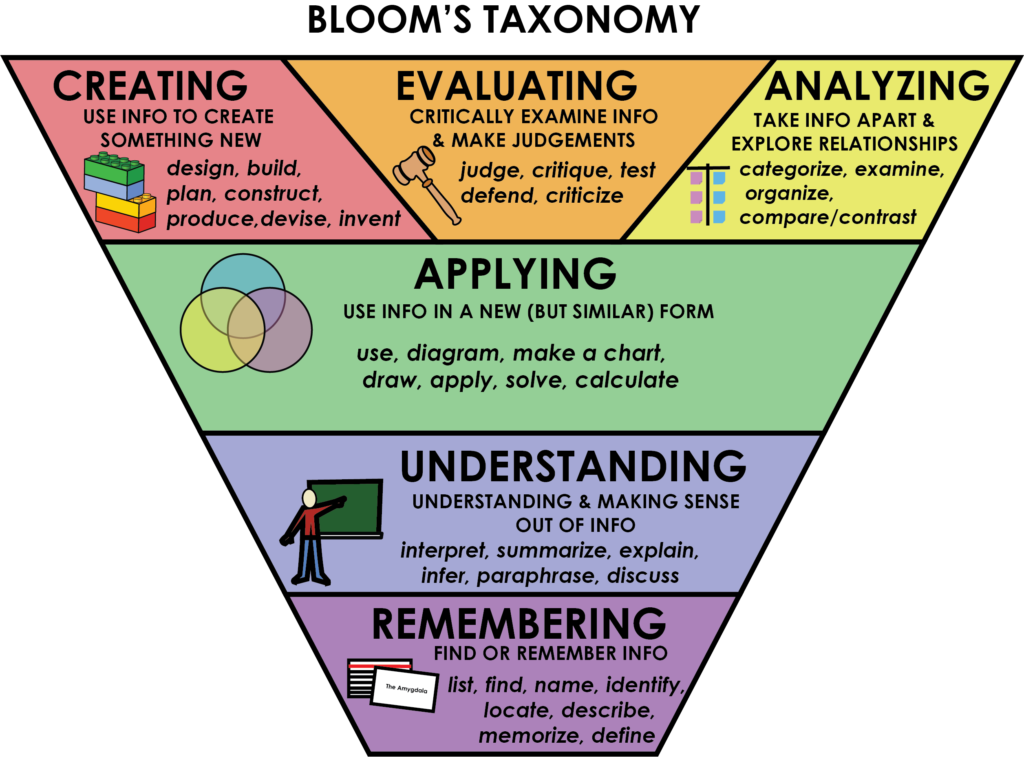
Establishing a structured approach for critiquing your artwork is essential for fostering growth as an artist. A defined critique framework enables artists to systematically evaluate different aspects of their work, leading to actionable insights and improvements. This framework provides clarity and consistency in the self-assessment process, ensuring that every piece is thoroughly examined across various criteria.The process of creating a critique framework can be broken down into several key components that enhance the effectiveness of self-evaluation.
A well-structured framework typically includes specific criteria for assessment, a clear rating system, and examples from the practices of successful artists. This ensures that the critique is not only objective but also informative and constructive.
Structured Approach for Critiquing Artwork
In developing a critique framework, it is beneficial to delineate clear criteria based on fundamental elements of art. Below are common criteria that can be incorporated into your critique framework:
- Composition: Evaluate the arrangement of elements within the artwork. Consider balance, focal points, and overall harmony.
- Color Use: Assess the color palette and its effectiveness in conveying emotion or theme. Reflect on color harmony and contrast.
- Technique: Analyze the application of mediums and techniques. Consider the level of skill demonstrated and the appropriateness of the techniques used.
- Concept: Reflect on the theme or message of the artwork. Evaluate the clarity of the idea and its execution.
- Emotional Impact: Consider the extent to which the artwork evokes a response from viewers. Assess its ability to connect on an emotional level.
Examples of Critique Frameworks Used by Successful Artists
Many renowned artists employ structured critique frameworks that emphasize different aspects of their practice. For instance, the following approaches illustrate how various artists evaluate their work:
- David Hockney: Hockney often reflects on his work by evaluating the emotional resonance of his colors and the spatial arrangement within his compositions. He emphasizes the connection between the viewer and the artwork.
- Georgia O’Keeffe: O’Keeffe utilized a method of self-reflection where she would focus on the simplicity and clarity of her forms. She often critiqued her work based on how well it conveyed her vision of nature.
- Pablo Picasso: Picasso’s approach included a rigorous examination of form and abstraction. He rated his pieces based on how effectively they challenged conventional representations.
Organizing a Rating System for Artwork Assessment
Implementing a rating system can provide quantifiable measures for different aspects of your artwork. This system helps identify strengths and weaknesses in a clear manner. Below is a suggested rating scale that can be applied to each evaluated criterion:
| Rating | Description |
|---|---|
| 1 | Poor – The artwork lacks coherence and fails to meet basic standards. |
| 2 | Fair – The artwork shows potential but has significant areas needing improvement. |
| 3 | Good – The artwork is competent but lacks a compelling aspect that makes it stand out. |
| 4 | Very Good – The artwork displays evident skill and creativity, with minor areas for enhancement. |
| 5 | Excellent – The artwork is a strong expression of the artist’s vision, exhibiting mastery in all evaluated aspects. |
Implementing this structured critique framework not only enhances the self-assessment process but also fosters a deeper understanding of the artistic practice. By adopting these strategies, artists can continually evolve, refine their skills, and produce work that resonates more profoundly with both themselves and their audience.
Encouraging Growth Through Critique

Self-critique is a vital component of the artistic journey. It not only fosters personal development but also enhances the quality of your artwork. Embracing feedback, even when it feels negative, can lead to significant growth. Understanding how to effectively analyze and implement this feedback can transform your artistic practices.Turning negative feedback into constructive insights is essential for artistic evolution. It is important to approach criticism as an opportunity for learning rather than a personal attack.
The following strategies can help you reframe negative feedback into meaningful lessons:
Transformative Approaches to Feedback
To gain the maximum benefit from feedback, consider these methods:
- Active Listening: Engage fully with the feedback given, ensuring you comprehend the points raised without becoming defensive.
- Identify Common Themes: Look for patterns in the critiques you receive. If multiple reviewers mention a specific area for improvement, it is likely an aspect to focus on.
- Seek Clarification: If feedback feels vague or harsh, ask for specific examples to better understand the critique and how it can be addressed.
- Reframe Your Perspective: Instead of viewing feedback as a failure, see it as a roadmap for improvement and a way to elevate your artistic practice.
Setting personal goals based on critique findings is a proactive way to ensure ongoing development. By defining clear objectives, you can channel your energy into specific areas of improvement that align with the insights gained from critique. Follow these steps to establish effective goals:
Goal-Setting Techniques
When setting goals, consider the SMART criteria—Specific, Measurable, Achievable, Relevant, and Time-bound. This framework will help you develop goals that are not only attainable but also motivating. Here are some examples of how to apply this approach:
- Specific: Instead of saying “improve my painting skills,” a specific goal would be “practice blending techniques in acrylic painting for 30 minutes every week.”
- Measurable: Set quantifiable targets, such as “complete three new paintings focusing on color theory by the end of the month.”
- Achievable: Ensure your goals are realistic based on your current skill level and available time, such as dedicating two hours weekly to explore new mediums.
- Relevant: Align goals with your artistic vision, for example, “develop a series of abstract pieces inspired by nature to enhance my portfolio.”
- Time-bound: Give yourself deadlines to maintain accountability, such as “submit artwork to a local gallery by the end of the quarter.”
Tracking progress over time is crucial for visualizing your growth as an artist. Documenting your journey allows you to reflect on improvements and adjust your strategies as needed. Here are effective methods for monitoring your development:
Progress Tracking Methods
Utilizing various tracking methods can make it easier to see your advancement clearly. Consider incorporating these techniques into your routine:
- Art Journal: Maintain a dedicated journal in which you reflect on your artwork, noting critiques received and your personal observations on each piece.
- Before and After Comparisons: Regularly compare older pieces with your latest work to visually assess your progress and identify areas of growth.
- Feedback Logs: Create a log where you record critiques and your responses, detailing how you addressed the feedback in future works.
- Milestones: Set periodic evaluations, such as monthly or quarterly reviews, to reassess your goals and celebrate completed achievements.
Incorporating External Resources
In the pursuit of artistic growth, external resources can play a crucial role. By leveraging various platforms, books, and workshops, artists can enhance their understanding and skills, facilitating a deeper critique of their work. These resources not only provide knowledge but also foster connections with fellow artists, which can significantly enrich the self-critique process.
Recommended Books and Online Courses
Books and online courses offer structured knowledge that can help artists evaluate their work more critically. These resources cover a range of topics from fundamental techniques to advanced artistic concepts. Consider the following notable sources:
- The Artist’s Way by Julia Cameron
-A classic guide to unlocking creativity through self-reflection and exercises. - Drawing on the Right Side of the Brain by Betty Edwards
-Focuses on enhancing drawing skills and visual perception. - Skillshare
-Offers a variety of art courses that cater to different skill levels, providing hands-on projects and peer feedback. - Coursera
-Features courses from renowned institutions covering topics such as color theory, composition, and art history.
Platforms for Artist Feedback
Engaging with a community of artists can provide valuable feedback that may not be apparent during self-assessment. Several platforms facilitate this interaction, allowing artists to share their work and receive critiques:
- DeviantArt
-A long-standing platform where artists can showcase their work and receive comments from peers. - ArtStation
-A professional network where artists can connect, share portfolios, and engage in discussions about various art forms. - Facebook Groups
-Numerous groups dedicated to specific art styles or techniques allow for community engagement and critique. - Reddit (r/ArtCrit)
-A subreddit where artists can post their work and receive constructive criticism from fellow Reddit users.
Workshops and Community Critiques
Participating in workshops and community critique sessions is invaluable for artists seeking to improve. These environments foster real-time feedback and collaboration, allowing for immediate application of learned techniques. The benefits include:
- Hands-on guidance: Workshops often include demonstrations and personalized feedback from instructors.
- Peer learning: Interacting with fellow artists provides diverse perspectives and insights that enhance understanding.
- Networking: Building relationships within the artistic community can lead to future collaborations and opportunities.
- Accountability: Regularly attending workshops encourages artists to consistently produce work and engage in critique.
Engaging with external resources is essential for artists committed to personal and professional growth, as it expands their knowledge base and provides diverse feedback.
Practical Exercises for Self-Critique
Artistic growth is greatly enhanced through deliberate practice and self-evaluation. By engaging in structured exercises, artists can refine their observational skills, deepen their understanding of artistic techniques, and improve their ability to critique their own work effectively. These exercises serve as tools for both introspection and skill enhancement, guiding artists along their creative journey.
Refining Observational Skills
The foundation of any artistic endeavor lies in the ability to observe details keenly. To develop this skill, artists can engage in exercises that emphasize careful observation of their surroundings. One effective exercise is to create a “drawing diary” where artists sketch an object or scene each day. This can include anything from a still life arrangement to a view from a window.
The goal is to capture the essence of the subject, focusing on proportions, light, and texture. Another method is to practice blind contour drawing, where the artist draws a subject without looking at the paper. This technique encourages artists to rely on their observational skills and improves their ability to translate what they see into line.
Recreating a Favorite Piece
Recreating a favorite artwork is an invaluable exercise that offers insights into the techniques and decisions of established artists. This practice not only hones artistic skills but also encourages critical analysis of composition, color choices, and brushwork. When undertaking this exercise, artists should choose a piece that resonates with them personally. After reproduction, they should compare their work to the original, noting differences in technique and execution.
This comparative analysis fosters a deeper understanding of the artistic choices made in the original piece and allows artists to critique their own decisions in the recreation process. Notable examples include recreating works by artists such as Vincent van Gogh or Claude Monet, where the unique brushwork and color palettes can be studied and emulated.
Daily Creative Challenges
Engaging in daily creative challenges can significantly enhance an artist’s ability to evaluate their work critically. These challenges encourage exploration and experimentation, often leading to unexpected discoveries.Examples of daily challenges might include:
- Creating a piece using only a limited color palette to explore color relationships.
- Setting a timer for 30 minutes to create a quick sketch, prioritizing spontaneity over perfection.
- Selecting a theme for the week, such as “shadows” or “reflections,” and producing a piece that embodies that theme.
These exercises push artists to step out of their comfort zones, forcing them to evaluate their creative instincts and adapt their techniques.
“The creation of art must always be accompanied by a thoughtful critique, as it is through this lens that growth can occur.”
These practical exercises not only bolster artistic skills but also foster a culture of self-awareness and continuous improvement in one’s artistic practice.
Conclusion on the Journey of Self-Critique

The journey of self-critique in the realm of art is a profoundly personal and transformative experience. Engaging in self-analysis not only fosters technical growth but also enhances one’s personal voice and artistic identity. This practice encourages artists to delve deeper into their work, uncovering layers of meaning and intention that may not have been initially apparent. Through the lens of self-critique, artists can observe their evolution over time, marking a clear path towards improvement and innovation.Reflecting on the evolution through self-critiquing reveals the significant milestones one achieves when assessing their artistic journey.
Initially, self-critique may evoke feelings of insecurity or doubt, but as one becomes accustomed to the process, it gradually shifts into a tool for empowerment and clarity. This progression is essential in developing not only one’s skills but also the confidence required to explore new techniques and concepts. Artists may find that their earlier works, once viewed with critical eyes, now serve as valuable lessons, providing insight into their growth trajectory.
Future Aspirations Based on Self-Analyses
As artists continue to engage in self-assessment, their aspirations often evolve in tandem with their discoveries. The insights gained through critique inform future projects, motivating artists to set specific, attainable goals that align with their artistic vision. Such aspirations can include:
- Exploring new mediums or techniques to expand creative possibilities.
- Participating in exhibitions and showcasing work to a wider audience.
- Collaborating with other artists to gain diverse perspectives and ideas.
- Deepening knowledge in art history or theory to enhance contextual understanding.
- Regularly setting aside time for focused practice to refine skills further.
By establishing these aspirations, artists can cultivate a roadmap that guides their future artistic endeavors, ensuring a continuous cycle of learning and discovery.
Ongoing Nature of Self-Improvement in Art
Self-improvement in art is an ongoing process that requires dedication and openness to change. Artists must recognize that the landscape of art is ever-evolving, and as such, so too must their skills and perspectives. The commitment to continual self-critique allows for an adaptable approach, where artists can respond to new trends, techniques, and inspirations. A few key aspects of this ongoing journey include:
- Regularly revisiting and reevaluating past works to identify areas for growth.
- Seeking constructive feedback from trusted peers to gain fresh insights.
- Engaging in workshops or classes to learn new skills and perspectives.
- Documenting progress through a journal or portfolio to visualize growth over time.
- Remaining open to experimentation, understanding that not every new exploration will be successful, but each will provide valuable lessons.
In this way, self-improvement becomes not just a destination but a dynamic and enriching journey that influences an artist’s work and personal development, fostering resilience and creativity in an ever-changing artistic landscape.
Conclusion
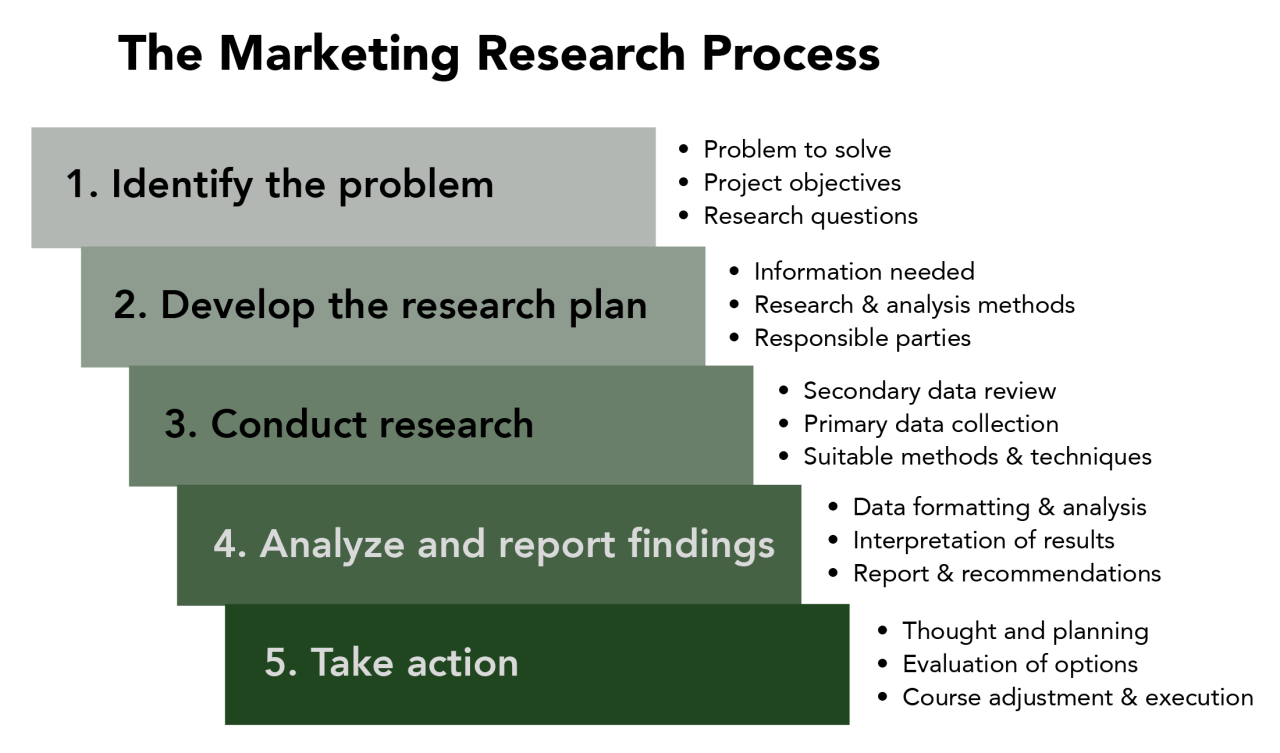
In conclusion, the journey of self-critique is not merely about identifying flaws, but rather about transforming these insights into opportunities for growth and improvement. As artists embark on this reflective process, they will find themselves setting personal goals and tracking their progress over time, ensuring that their creative expression continues to flourish. Ultimately, How to Analyze and Critique Your Own Artwork serves as a comprehensive guide to nurturing one’s artistic journey, emphasizing that self-improvement is an ongoing endeavor.