With How to Create a Digital Watercolor Painting at the forefront, this exploration invites you into the vibrant world where traditional artistry meets modern technology. The evolution of digital watercolor painting has opened new avenues for creativity, allowing artists to blend their unique styles with the flexibility of digital tools.
This guide will delve into the essential tools and techniques required to master digital watercolor painting, providing insights into popular software, necessary hardware, and the myriad advantages of digital methods over traditional techniques. Whether you are a novice eager to learn or an experienced artist looking to expand your repertoire, this comprehensive overview will equip you with the knowledge to embark on your artistic journey.
Introduction to Digital Watercolor Painting
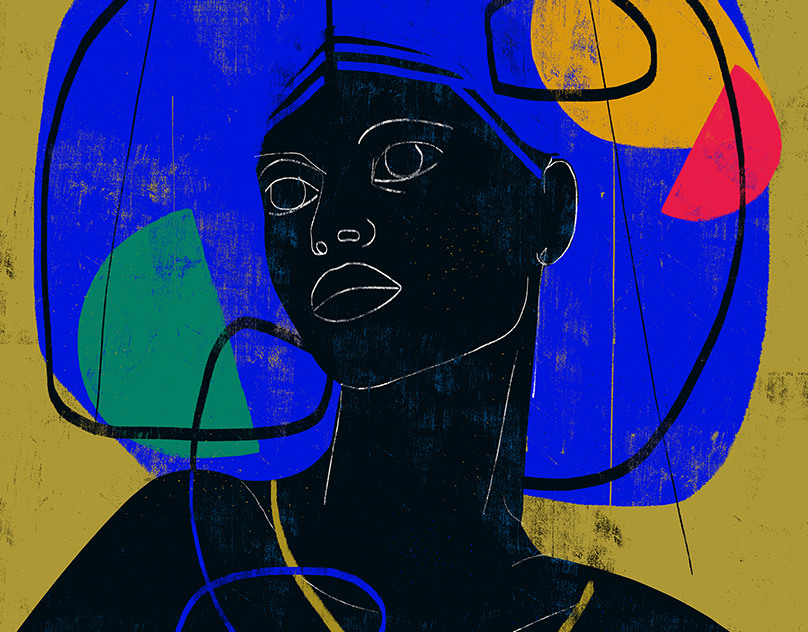
Digital watercolor painting represents a modern evolution in the artistic world, blending traditional watercolor techniques with the expansive capabilities of digital technology. This innovative approach allows artists to harness the fluidity and unpredictability of watercolor while enjoying the advantages of a digital canvas, enabling both seasoned creators and beginners to explore their artistic potential without the limitations of physical materials.
The significance of digital watercolor painting lies in its accessibility, allowing for diverse artistic expressions and experimentation without the need for extensive resources or physical space.
The tools and software commonly used to create digital watercolor paintings include graphics tablets and specialized applications such as Adobe Photoshop, Corel Painter, and Procreate. These platforms offer a variety of brushes and textures that mimic the behavior of real watercolor, providing artists with the ability to achieve depth, blending, and layering effects akin to traditional methods. Additionally, many of these applications incorporate features like undo/redo options, customizable brushes, and layers, which further enhance the creative process by allowing for greater flexibility and control.
Tools and Software for Digital Watercolor Painting
Understanding the tools available for digital watercolor painting is essential for any artist looking to incorporate this technique into their workflow. The following list Artikels key software options and hardware that facilitate the creation of digital watercolors:
- Adobe Photoshop: Renowned for its versatility, Photoshop provides an extensive range of brushes that simulate watercolor effects, along with powerful editing capabilities.
- Corel Painter: This software is designed specifically for digital painting and offers realistic brush simulations, making it a popular choice among traditional artists transitioning to digital.
- Procreate: A favorite among iPad users, Procreate features a user-friendly interface and numerous brushes that replicate the watercolor experience effectively.
- Graphics Tablets: Devices like Wacom tablets or Huion provide a natural drawing experience, allowing for pressure sensitivity and tilt recognition, which are crucial for creating dynamic watercolor strokes.
The advantages of utilizing digital watercolor techniques over traditional methods are multifaceted. Digital watercolors eliminate the need for physical materials, thus reducing waste and the costs associated with purchasing supplies. The ability to easily modify, undo, or experiment without the anxiety of making permanent changes encourages artists to take creative risks. Furthermore, digital works can be effortlessly shared and edited, providing seamless integration into a variety of digital platforms for display or sale.
Digital watercolor painting combines the expressive freedom of traditional methods with the limitless possibilities of digital technology.
Essential Tools and Software
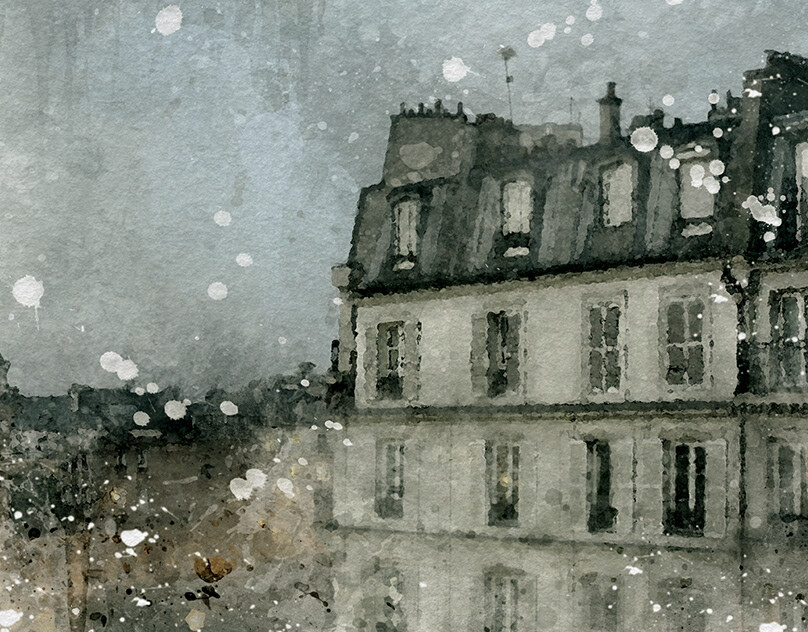
Digital watercolor painting requires a combination of the right software and hardware to enable artists to create stunning artworks. With the evolution of technology, numerous options are available that cater to both beginners and seasoned painters. This section Artikels essential tools, including popular software options, necessary hardware, and additional resources valuable for anyone venturing into the world of digital watercolor.
Popular Software Options
Several software applications are specifically designed to simulate the effects of traditional watercolor painting while offering unique tools and features that cater to digital artists. Below is a curated list of popular software options, each with its own strengths:
- Adobe Fresco: This software is tailored for artists who enjoy a natural drawing experience. Adobe Fresco offers a variety of brushes, including live brushes that simulate watercolor effects, allowing users to blend colors and create intricate textures effortlessly. The user-friendly interface makes it ideal for both beginners and professionals, supporting seamless integration with other Adobe Creative Cloud applications.
- Procreate: Highly favored among digital artists, Procreate is exclusively available for iPads. It provides a robust suite of brushes, including watercolor brushes that mimic real-life techniques. Its intuitive touch and gesture controls enhance the painting experience, allowing users to create fluid artworks with ease. Procreate also supports high-resolution canvases, making it suitable for detailed work.
- Corel Painter: Known for its extensive range of brushes and realistic painting tools, Corel Painter offers a comprehensive suite for digital watercolor painting. It features unique brushes that mimic traditional media, including watercolors, oils, and acrylics. The software is highly customizable, enabling artists to fine-tune their tools and techniques for a more personalized creative process.
Necessary Hardware
To fully utilize digital painting software, appropriate hardware is crucial. The following items are recommended for a satisfactory digital watercolor painting experience:
- Tablets: A graphics tablet is essential for capturing brush strokes and intricate details with precision. Popular options include the Wacom Cintiq series, which features a screen that allows artists to draw directly on the display, and the Huion Kamvas series, known for its affordability and quality. Tablets with high-resolution screens and responsive touch sensitivity enhance the painting experience.
- Styluses: A stylus is a critical tool for digital artists, providing the precision needed for detailed work. Styluses such as the Apple Pencil for iPad Pro and the Wacom Pro Pen offer pressure sensitivity, which is crucial for simulating the effects of traditional watercolor. A comfortable grip and responsiveness ensure prolonged use without fatigue.
Additional Resources for Beginners
For those new to digital watercolor painting, numerous resources are available to enhance learning and skill development. Engaging with online communities and tutorials can significantly improve one’s technique and understanding of digital tools:
- Online Tutorials: Websites like YouTube and Skillshare offer a plethora of tutorials specifically focused on digital watercolor painting. These tutorials range from basic techniques to advanced methods, enabling beginners to grasp the essential concepts of digital art.
- Art Communities: Joining online forums and social media groups dedicated to digital painting can provide valuable feedback and inspiration. Websites such as DeviantArt and ArtStation allow artists to share their work, engage with others, and learn from experienced professionals. Participating in challenges and critiques can accelerate skill development.
Utilizing the right tools, including software, hardware, and community resources, greatly enhances the digital watercolor painting experience and fosters artistic growth.
Basic Techniques for Digital Watercolor

Digital watercolor painting offers a unique blend of traditional techniques and modern technology, allowing artists to recreate the fluidity and subtlety of watercolor on a digital canvas. Understanding basic techniques is essential for achieving authentic watercolor effects, making your artwork more expressive and visually appealing.
The two fundamental techniques that mimic traditional watercolor methods are wet-on-wet and wet-on-dry applications. These techniques can be effectively utilized in digital art software through careful layer management and brush settings, allowing for the versatile creation of textures and gradients.
Wet-on-Wet Technique
The wet-on-wet technique involves applying wet paint onto a wet surface, resulting in softer edges and blended colors. In digital painting, this can be achieved by creating layers that allow for the interaction of colors without immediate drying. Follow these steps to set up your digital workspace for this technique:
- Open your digital art software and create a new document.
- Choose a watercolor brush with a soft texture that simulates wet paint.
- Create a new layer for your background and fill it with water or a light wash of color.
- On a new layer, select a contrasting color and use a low opacity setting to begin painting.
- Allow the colors to bleed into one another, adjusting brush settings to control the flow.
This technique allows colors to merge beautifully, creating a luminous effect reminiscent of traditional watercolor.
Wet-on-Dry Technique
In contrast, the wet-on-dry technique applies wet paint onto a dry surface, facilitating sharper edges and defined shapes. This technique is particularly useful for adding detail or contrast in your digital watercolor painting. The following steps will help you execute this method effectively:
- Set up your base layer with your chosen background color.
- Create additional layers for the elements you want to detail.
- Select a finer watercolor brush to add layers of color, ensuring your base layer is completely dry.
- Use varying opacities to add depth, ensuring each layer is distinct.
- Experiment with brush pressure to achieve different intensities of color.
This technique is ideal for highlighting focal points in your artwork, allowing for a controlled application of color.
Color Mixing and Gradient Creation
Mixing colors and creating gradients are vital skills in digital watercolor painting. Effective color mixing can enhance the visual depth of your work. Here are some suggested methods for achieving this in your digital art software:
- Utilize the color picker tool to select your base color, then use the brush tool to apply it to your canvas.
- For mixing, select a secondary color and apply it adjacent to the base color, allowing brush strokes to overlap.
- To create gradients, gradually blend colors using a soft brush and low opacity, layering until the desired transition is achieved.
- Use a smudge tool to help merge colors smoothly, mimicking the natural blend of traditional watercolor.
By mastering these techniques, artists can produce captivating digital watercolor paintings that reflect their unique style while harnessing the advantages of modern technology.
Creating Your First Digital Watercolor Piece
Embarking on your first digital watercolor painting can be an exhilarating experience. It combines creativity with technology, allowing for unique artistic expressions that may not be possible with traditional methods. This section will guide you through the essential steps to create a captivating digital watercolor piece, from the initial sketch to the final touches.To create a successful digital watercolor painting, a structured process is crucial.
This involves careful planning of your composition and color palette, followed by a methodical approach to layering techniques. Each step contributes significantly to the overall quality of the artwork.
Planning Your Composition and Color Palette
A well-thought-out composition and color palette are foundational to your artwork. Before diving into the painting process, consider the following steps to effectively plan your piece:
1. Choose a Subject Matter
Select a theme or subject that inspires you. This could be a landscape, portrait, or abstract design.
2. Create Thumbnails
Sketch small, quick thumbnails to explore various compositions. This helps visualize the arrangement of elements before committing to a detailed drawing.
3. Determine Focal Points
Identify the main focus of your painting. This could be a particular object or area that you want to draw the viewer’s attention to.
4. Select a Color Scheme
Choose a color palette that complements your subject. Consider using color harmony principles such as analogous or complementary colors to maintain visual interest.
5. Plan Lighting and Shadows
Consider the light source in your composition, as it will influence the colors and shadows in your artwork.By following these steps, you lay a strong foundation for your digital watercolor piece, ensuring that your vision translates well onto the digital canvas.
Layering Techniques to Enhance Final Artwork
Layering is a fundamental technique in digital watercolor painting that allows for depth and texture. Here is a structured template for applying layering techniques effectively:
1. Base Layer
Start with a light wash of color as your base layer. This sets the tone for your painting and provides a unified background.
2. Sketch Layer
Create a new layer for your initial sketch. Use a different opacity to ensure this layer is visible yet unobtrusive.
3. Mid-Tones Layer
Add another layer for mid-tones. Utilize a brush that mimics the flow of watercolors, and apply these colors lightly to create a smooth transition.
4. Detail Layer
On a separate layer, add details using darker colors and smaller brushes. Focus on enhancing textures and highlights that bring your subject to life.
5. Final Touches Layer
Use this layer for any final adjustments or enhancements. This may include adding highlights, textures, or any necessary corrections to achieve your desired effect.By implementing these layering techniques, artists can achieve a rich and dynamic look in their digital watercolor paintings, enhancing the overall depth and complexity of the artwork.
Advanced Techniques and Effects
Digital watercolor painting offers a vast array of advanced techniques that elevate the artistry and visual impact of your work. By utilizing various brushes, layering methods, and manipulating transparency, artists can achieve stunning effects that mimic traditional watercolor while exploring new dimensions of creativity.
Adding Texture to Digital Watercolor Paintings
Texture is a crucial element in digital watercolor that adds depth and interest to artwork. Various brushes and tools can be employed to create unique surface effects. To enhance texture, consider the following methods:
- Custom Brushes: Experiment with custom brushes designed to mimic traditional textures such as sponge, rough paper, or splatter effects. These brushes can add dimension and enhance the organic feel of your work.
- Overlay Textures: Utilize overlays or texture images to impart a tactile quality to the painting. Adjusting the blend mode and opacity of these layers allows for seamless integration into the artwork.
- Watercolor Brushes: Apply watercolor-specific brushes that can simulate the fluidity and blending of actual watercolor pigments. These brushes often contain unique bristle patterns that create authentic textural effects.
Layering and Blending Techniques
Layering is essential for creating depth in digital watercolor paintings. By building layers strategically, artists can control the intensity and complexity of the composition.Key techniques for effective layering and blending include:
- Layer Management: Organize your artwork into distinct layers for different elements, such as backgrounds, midgrounds, and foregrounds. This organization allows for easier adjustments and experimentation with colors and effects.
- Blending Modes: Explore various blending modes available in your software to achieve nuanced color interactions. For instance, using the “multiply” mode can deepen colors, while “screen” can lighten and add luminosity.
- Softening Edges: Use soft brushes to blend edges between layers smoothly. This technique helps in creating a cohesive look and enhances the overall fluidity of the artwork.
Utilizing Transparency and Opacity Settings
Manipulating transparency and opacity settings is vital for achieving sophisticated visual effects in digital watercolor. These adjustments can dramatically alter the mood and depth of the painting.Consider the following practices:
- Gradient Transparency: Apply varying levels of transparency across different sections of your painting. This technique can create atmospheric effects, simulating the way light interacts with watercolor washes.
- Opacity Layering: Overlay multiple semi-transparent layers to build complex color interactions. By adjusting the opacity of each layer, artists can develop rich, layered textures that contribute to the overall depth.
- Selective Transparency: Use selective transparency to highlight particular areas of the artwork, drawing the viewer’s eye to focal points and adding visual interest.
Troubleshooting Common Issues
Creating digital watercolor paintings can be a rewarding yet challenging experience for artists, particularly when encountering common issues. Understanding these challenges and knowing how to resolve them enhances the creative process, allowing for a smoother workflow. Below are some frequent problems artists may face along with effective solutions and a checklist for addressing color discrepancies and organizational strategies for digital files.
Common Problems and Solutions
Digital watercolor painting can present several hurdles for artists, particularly regarding color blending, brush settings, and overall composition. Here are some of the most common problems and their solutions:
- Color Bleeding: This can occur when colors blend more than intended. To remedy this, adjust the brush opacity and flow settings to minimize unwanted bleeding.
- Texture Issues: Insufficient texture can make a digital painting appear flat. Utilize textured brushes or overlays to add depth and dimension to your artwork.
- Layer Management: Overlapping layers can confuse the composition. Regularly name and organize layers to keep track of various elements of your artwork.
- File Corruption: Occasionally, files may become corrupted. Regularly save your work in multiple formats (e.g., PSD and PNG) to avoid losing progress.
Checklist for Fixing Color Issues
Color discrepancies can detract from the intended effect of a painting. A checklist can serve as a quick reference guide for artists to troubleshoot these issues effectively:
1. Check Color Profiles
Ensure that your document is using the correct color profile (sRGB or Adobe RGB) that matches your display settings.
2. Adjust Layer Opacity
Lowering the opacity of certain layers can help achieve the desired blending effect.
3. Experiment with Color Balance
Use tools within your software to tweak the overall color balance, shifting hues to see if adjustments improve the artwork.
4. Use Adjustment Layers
Apply adjustment layers for non-destructive editing, allowing you to alter colors without permanently changing the original image.
5. Revisit Brush Settings
Ensure that you are using the right brush settings for color application, including flow and pressure sensitivity.
Improving File Management and Organization
Efficient file management is essential for a smooth digital painting workflow. Consider the following strategies to enhance your organization:
- Consistent Naming Conventions: Develop a system for naming files that includes project names, dates, and version numbers (e.g., “ProjectName_Date_v1”).
- Folder Structure: Organize your artwork into folders categorized by project type, completed works, and ongoing projects to reduce clutter.
- Backup Strategies: Implement a regular backup system, utilizing external drives or cloud storage to ensure artwork is preserved in multiple locations.
- Version Control: Save incremental versions of your artwork to allow for easy access to earlier stages of a project if needed.
Showcasing and Sharing Your Artwork
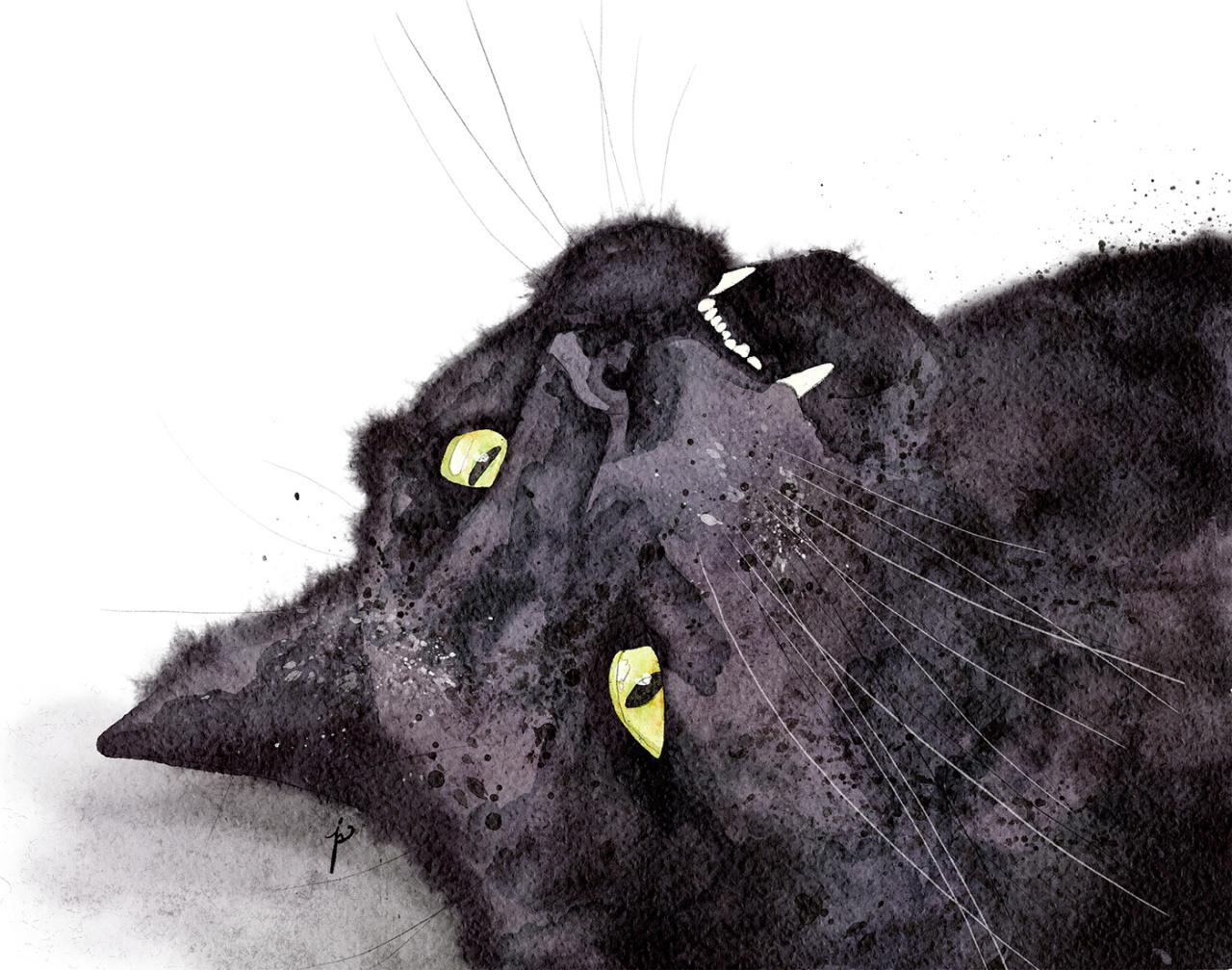
In today’s digital age, sharing your digital watercolor paintings with a broader audience is essential for gaining recognition and feedback. Various platforms and social media networks offer artists an opportunity to display their creations, connect with peers, and engage with art enthusiasts worldwide. Effectively showcasing your artwork can lead to valuable networking opportunities and constructive critiques that will help you refine your skills.A comprehensive understanding of how to prepare your artwork for online display is crucial.
This includes considerations such as resolution and file formats that ensure your art appears sharp and vibrant across different mediums.
Platforms for Showcasing Digital Art
Several platforms have emerged as popular choices for artists to showcase their digital watercolor paintings. Each platform has unique features that cater to different audiences and objectives. The following list highlights some of the most effective platforms:
- Instagram: A visual-centric platform ideal for sharing images and engaging with followers. Artists can use hashtags effectively to reach a larger audience.
- Behance: A professional network for creative individuals that allows artists to display entire portfolios, receive feedback, and connect with potential clients.
- DeviantArt: A long-standing online community for artists to share their work, engage in discussions, and participate in contests.
- ArtStation: Tailored for game, film, media, and entertainment artists, ArtStation provides a platform for showcasing high-quality artwork and connecting with industry professionals.
- Pinterest: A visual discovery engine where artists can share and curate boards of their work, driving traffic back to their portfolios or websites.
Preparing Artwork for Online Display
When preparing digital watercolor paintings for online display, it is essential to maintain a high standard for quality. The following guidelines will help ensure your work looks its best:
- Resolution: Aim for a minimum resolution of 300 DPI (dots per inch) for print quality. For online sharing, a resolution of 72 DPI is sufficient, but ensure images are at least 1500 pixels on the shortest side for clarity.
- File Formats: Use JPEG or PNG formats for sharing artworks. JPEG files are smaller and suitable for photographs, while PNG files preserve transparency and are ideal for illustrations.
- Color Profile: Save your artwork in the sRGB color profile, which is the standard for digital displays, ensuring that colors appear consistent across devices.
- Watermarks: Consider adding a subtle watermark to protect your work from unauthorized use, but ensure it does not distract from the artwork itself.
Engaging with the Art Community Online
Engaging with the art community is vital for receiving constructive feedback and improving your craft. The following strategies can help you connect effectively with fellow artists and art lovers:
- Participate in Online Challenges: Join art challenges or prompts on various platforms to showcase your work and interact with others.
- Provide Feedback: Offer constructive critiques on others’ works to foster relationships. Engaging positively can encourage them to return the favor.
- Join Art Groups: Become a member of online art groups or forums that focus on your specific interests in digital watercolor painting.
- Utilize Stories and Live Sessions: Use features like Instagram Stories or live streams to showcase your process, answer questions, and interact with your audience in real time.
Ending Remarks
In conclusion, mastering How to Create a Digital Watercolor Painting is not just about understanding the tools and techniques; it is about embracing the creative process and finding your unique voice in the digital realm. As you experiment and refine your skills, remember that each piece of art represents a step in your artistic evolution, filled with learning opportunities and personal expression.