How to Create Stunning Fantasy Creatures invites you into a realm where imagination knows no bounds. Fantasy creatures play a pivotal role in storytelling, not only captivating audiences but also enriching narratives across various genres. From dragons soaring through the skies to mythical beings lurking in enchanted forests, these creatures draw inspiration from our world while embodying the extraordinary, captivating readers with their unique traits and backgrounds.
This guide will walk you through the creative journey of conceptualizing your fantasy creatures, exploring their physical attributes, habitats, behaviors, and cultural significance. As you delve into this fascinating process, you will uncover the artistry involved in designing these beings and learn how they can enhance your narratives in compelling ways.
Introduction to Fantasy Creatures
Fantasy creatures are imaginative beings that exist beyond the constraints of reality, often embodying the qualities of mythology, folklore, and unfathomable realms. They play a vital role in storytelling, enriching narratives with elements of wonder, conflict, and moral lessons. By transcending the ordinary, these beings allow authors and creators to explore themes that resonate with the human experience, such as good versus evil, the journey of self-discovery, and the battle against one’s inner demons.Fantasy creatures prominently appear in various genres, including high fantasy, urban fantasy, horror, and science fiction.
Each genre leverages these beings to enhance the world-building and to create immersive experiences for audiences. The allure of fantasy creatures lies in their diversity, from majestic dragons soaring through the skies of epic tales to mischievous fairies flitting through enchanted forests.
Examples of Popular Fantasy Creatures
Numerous fantasy creatures have captured the imagination of audiences through literature and media. These entities often embody unique traits and stories that enhance the narratives they inhabit. Below are some notable examples:
- Dragons: Often depicted as powerful and wise, dragons are iconic in many cultures. They appear in works such as J.R.R. Tolkien’s “The Hobbit,” where Smaug serves as a formidable adversary, showcasing themes of greed and destruction.
- Unicorns: Symbolizing purity and grace, unicorns have appeared in various fantasy stories. They often represent hope and beauty, as seen in Peter S. Beagle’s “The Last Unicorn,” which explores themes of love and loss.
- Elves: Elegantly portrayed in many fantasy realms, elves are known for their agility and magical capabilities. Their roles often emphasize wisdom and connection to nature, prominently featured in works like J.R.R. Tolkien’s “The Lord of the Rings.”
- Werewolves: These creatures embody the duality of human nature, illustrating the struggle between civilization and primal instincts. They are central to narratives such as “The Wolfman,” which explores themes of transformation and identity.
- Zombies: Often representing societal fears and human fragility, zombies have become a staple in horror fantasy. They appear in various media, including the popular television series “The Walking Dead,” prompting discussions about survival and morality.
These examples reflect the vastness and versatility of fantasy creatures, each contributing to the narrative complexity and emotional depth within their respective stories. Their enduring popularity highlights their significance in both literary and visual storytelling, captivating audiences across generations.
Conceptualizing Your Fantasy Creature
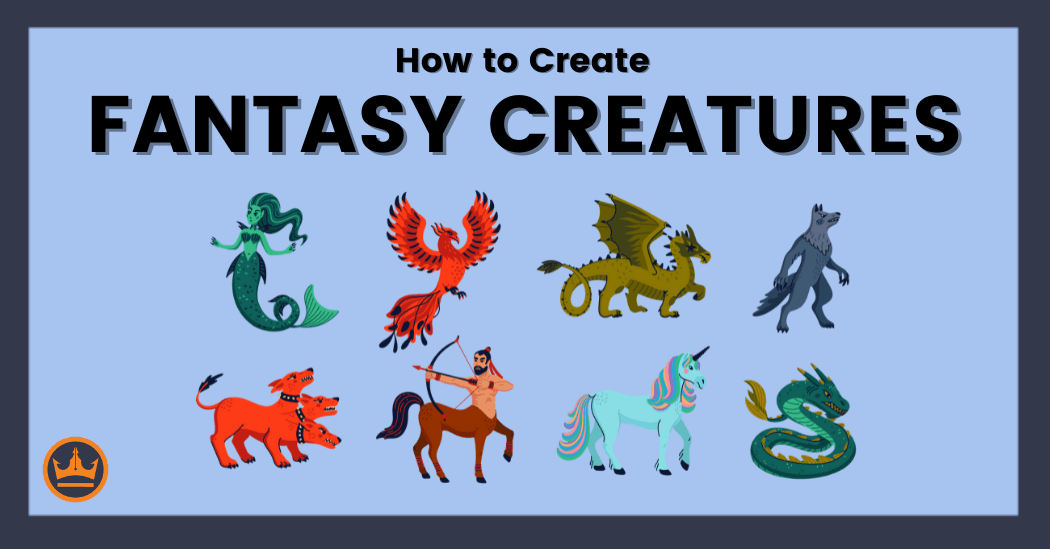
Creating a captivating fantasy creature begins with the process of brainstorming unique designs and characteristics that capture the imagination and evoke intrigue. This stage of development is crucial, as the traits and aesthetic of your creature will define its role within the narrative and the worlds it inhabits. A well-conceived creature can enrich storytelling by adding depth, challenges, and excitement to the plot.Engaging in the brainstorming process establishes a foundation for your creature’s identity.
Start by considering various elements such as physical traits, abilities, and behaviors. These characteristics contribute significantly to the creature’s memorability and engagement level, allowing your audience to form a connection with it. Among the most notable traits that make a fantasy creature stand out are its distinct appearance, unique abilities, and compelling backstory.
Key Traits of Memorable Fantasy Creatures
Memorable fantasy creatures often possess specific traits that make them relatable or fascinating to audiences. These characteristics can include extraordinary abilities, peculiar physical features, or unconventional behaviors. These elements draw readers or viewers into the creature’s world. Key traits of memorable fantasy creatures include:
- Distinctive Appearance: A creature should have a unique visual design that differentiates it from others, such as unusual skin textures, vibrant colors, or fantastical appendages. For example, a creature with translucent wings shimmering in the sunlight can create a striking visual impression.
- Compelling Abilities: Unique powers or skills, such as fire breathing or the ability to shapeshift, can create interest and serve crucial plot functions.
- Complex Backstory: A rich history or origin story can enhance a creature’s depth, making it relatable and engaging. For instance, a creature with a tragic past may invoke sympathy from the audience.
- Behavioral Quirks: Individual personality traits or habits can make a creature more relatable, such as a shy creature that hides from humans or a mischievous being that plays tricks on them.
Exploring various sources of inspiration can lead to innovative designs for fantasy creatures. Drawing upon a range of influences expands creativity and allows for unique combinations of traits that resonate with audiences.
Sources of Inspiration for Designing Creatures
When conceptualizing your fantasy creature, it is beneficial to gather inspiration from diverse sources. This not only fuels creativity but also assists in crafting characters that feel authentic and grounded within their fantastical contexts. Consider the following sources of inspiration:
- Nature: Observe real animals, plants, and ecosystems. Their adaptations and behaviors can serve as a basis for fantastical elements. For instance, the bioluminescent qualities of certain deep-sea creatures can inspire glowing features in your fantasy creature.
- Mythology: Delve into folklore and myth from various cultures. Creatures like griffins, dragons, and unicorns provide a wealth of ideas for designing your own fantastical beings.
- Art and Literature: Explore the works of artists and writers who have depicted imaginative creatures. Their designs can offer insight into how to blend characteristics in new and exciting ways.
- Science Fiction: Investigate speculative concepts in science fiction literature and films, which often showcase imaginative life forms that expand the possibilities for creature design.
Drawing from these inspirations will enrich the creative journey and enhance the development of unique and captivating fantasy creatures, ensuring they leave a lasting impact on your audience.
Physical Attributes and Anatomy
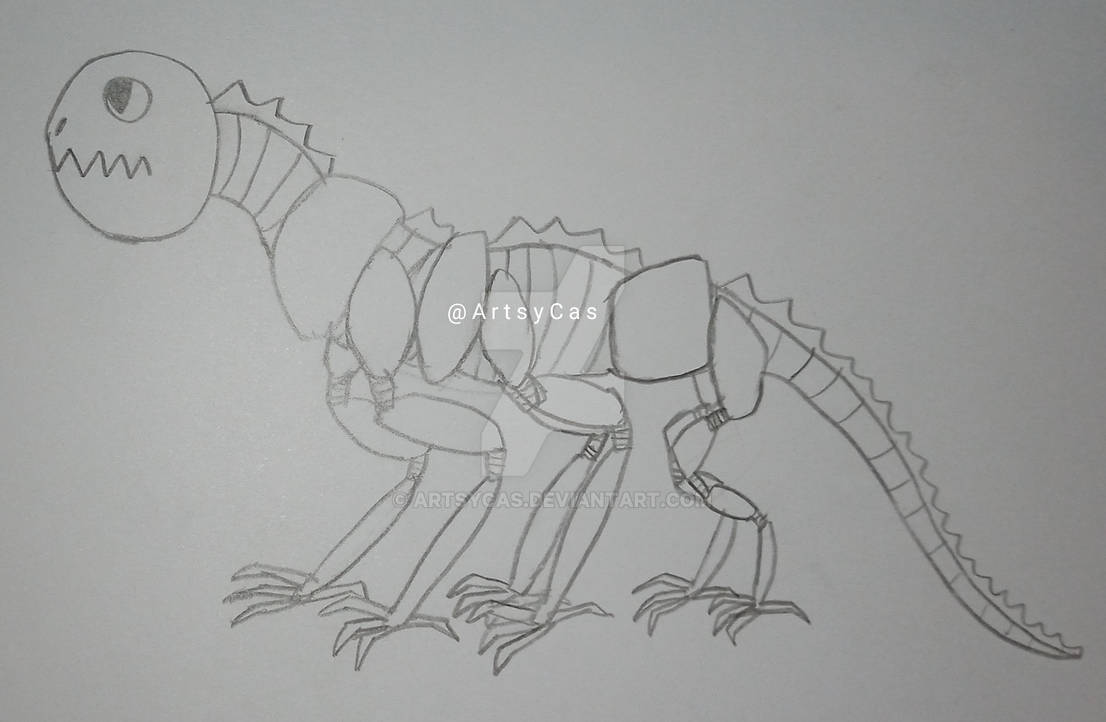
Creating stunning fantasy creatures requires a deep understanding of their physical attributes and anatomy, as these elements play a crucial role in defining their uniqueness and believability. Detailed physical descriptions, including size, shape, and color, are essential for bringing these creatures to life in the minds of the audience. Additionally, blending various animal features can lead to innovative hybrid creatures, while a solid grasp of anatomy ensures that these fantastical beings function within the realms of credibility.
Detailed Physical Descriptions
Accurate and vivid physical descriptions are vital for capturing the essence of a fantasy creature. Consider the following aspects when crafting these descriptions:
- Size: Determine how large or small the creature is in relation to familiar objects or beings. For instance, is it the size of a horse, or is it more comparable to a small dog? This helps establish a frame of reference for the audience.
- Shape: Artikel the creature’s overall form, including its body structure. Is it slender and agile, or stocky and robust? The shape can convey a lot about the creature’s behavior and abilities.
- Color: Choose colors that not only reflect the creature’s habitat but also its personality. For example, a vibrant, multi-colored creature might indicate playfulness, whilst muted tones may suggest stealth.
A comprehensive physical description serves to immerse the reader into the fantasy world, allowing them to visualize the creature vividly and appreciate its role in the narrative.
Blending Animal Features
The creation of hybrid creatures can result in fascinating and imaginative beings. To effectively blend animal features, consider the following strategies:
- Selection of Traits: Identify key characteristics from various animals that complement each other. For example, combining the wings of an eagle with the body of a lion can yield a majestic creature that embodies power and grace.
- Functional Integration: Ensure that the combined features serve a purpose. For instance, if a creature has the legs of a cheetah, it should also possess the agility and speed associated with that animal.
- Balanced Aesthetics: The visual harmony of the creature is critical. Aim for a cohesive look that does not appear disjointed. This can involve adjustments in size proportions, patterns, and coloration to create a believable hybrid.
By thoughtfully merging different animal features, creators can design creatures that feel both original and plausible, enhancing the richness of the fantasy landscape.
Anatomy and Functionality
Understanding anatomy is paramount in ensuring that fantasy creatures not only look impressive but also function realistically. The following points highlight the significance of anatomical knowledge in creature design:
- Functional Movement: A creature’s anatomy should allow for natural movement. For instance, if a creature has wings, its body must be structured to support flight capabilities, such as having a lightweight frame or strong musculature.
- Organ Systems: Consideration of an internal organ structure can add layers of realism. For example, a creature that breathes fire may require a unique respiratory system that can handle extreme temperatures.
- Behavioral Consistency: The anatomy should align with the creature’s behaviors and lifestyle. A predator’s anatomy would differ significantly from that of a herbivore, influencing everything from jaw structure to limb configuration.
A well-thought-out anatomical structure enhances the believability of fantasy creatures, allowing them to fit seamlessly into their environments and narratives.
Habitat and Environment
The habitat and environment of fantasy creatures play a pivotal role in shaping their physical attributes, behaviors, and survival strategies. Understanding these elements allows creators to develop more believable and richly detailed creatures that resonate with the landscapes they inhabit. Just as real-world animals adapt to their environments, so too should our fantastical beings showcase traits that reflect their surroundings.The characteristics of a creature are intrinsically linked to its habitat, which influences its design, behavior, and lifestyle.
Every environment presents unique challenges and resources that dictate how a creature evolves over time. By analyzing various ecosystems, one can identify specific adaptations that enable creatures to thrive within those realms.
Environmental Adaptations
The following table illustrates various environments and the corresponding adaptations commonly found in fantasy creatures. This serves to highlight how different habitats shape their lifestyles and abilities.
| Environment | Creature Adaptations |
|---|---|
| Forest |
|
| Desert |
|
| Underwater |
|
| Mountain |
|
Different environments not only influence physical adaptations but also determine the creature’s social structure, feeding habits, and reproductive strategies. For instance, a creature in a forest habitat may rely on a complex social structure to find food and shelter, while a solitary creature in a desert may have evolved to be self-sufficient.
Understanding the interplay between habitat and creature design enriches the storytelling and world-building in fantasy narratives.
Behavior and Characteristics
The behaviors and characteristics of fantasy creatures play a pivotal role in defining their uniqueness and believability. By drawing inspiration from the diverse behaviors found in the natural world, creators can craft creatures that resonate with audiences and enrich their fantasy narratives. Understanding how these creatures feed, mate, and interact socially can provide depth and realism to their existence.When conceptualizing behaviors for fantasy creatures, it is beneficial to look at real-world animal behaviors.
Many traits observed in nature can serve as a foundation for designing the activities and social structures of your fantasy beings. For instance, the complex social hierarchies of wolves or the intricate mating dances of birds can inspire similar behaviors in your creatures, enhancing their realism and relatability.
Feeding Habits
Feeding behaviors are crucial in establishing a creature’s role within its ecosystem. Different feeding strategies can be modeled after real animals, providing insight into how your creature interacts with its environment. For example, a creature might exhibit the following feeding behaviors:
- Herbivorous Grazing: Similar to grazing animals like deer, a creature may have specialized teeth and digestive systems to extract nutrients from various plant life found in its habitat.
- Carnivorous Hunting: Drawing inspiration from predators like lions, a creature could exhibit stealth and pack hunting behaviors, showcasing teamwork and strategy.
- Omnivorous Foraging: Like bears that consume both plants and animals, a creature may adapt to seasonal food availability, altering its diet based on the resources around it.
Mating Rituals
Mating behaviors can be a captivating aspect of fantasy creatures, often reflecting the unique traits of the species. Creatures could engage in elaborate courtship displays, similar to the peacock’s feather fanning, or possess unique reproductive strategies that ensure the survival of their species. Examples might include:
- Colorful Displays: Creatures may exhibit vibrant colors or patterns during mating seasons, attracting partners in a manner akin to tropical birds.
- Territorial Displays: Much like male deer that engage in battles for dominance, fantasy creatures might establish territories through displays of strength or magical prowess.
- Scent Marking: A creature could use pheromones, similar to certain mammals, to signal readiness for mating or to ward off competitors.
Social Structures
The social structures of fantasy creatures can greatly influence their behavior and interactions. Drawing inspiration from animal societies, creators can define the social dynamics that govern their creatures. Potential social structures include:
- Matriarchal Societies: Similar to elephants, some creatures might be led by a dominant female, fostering close-knit familial bonds.
- Pack Dynamics: Like wolves, creatures may form packs with defined roles, enhancing teamwork in hunting or shared responsibilities in rearing young.
- Solitary Behavior: Inspired by big cats, certain creatures may prefer to lead solitary lives, coming together only for mating or during specific seasons.
Potential Abilities and Magical Powers
The abilities or magical powers attributed to fantasy creatures can enhance their mystique and play a significant role in the narrative. Here are some potential abilities that could be assigned to various types of fantasy creatures:
- Elemental Manipulation: Creatures may possess control over natural elements such as fire, water, earth, or air, similar to elemental spirits in folklore.
- Invisibility or Camouflage: Inspired by the chameleon or octopus, these creatures could blend into their surroundings to evade predators or ambush prey.
- Telepathy or Empathy: Some creatures might communicate with others through thoughts or emotions, establishing deep connections with both their own kind and other species.
Cultural Significance and Mythology
Fantasy creatures play a pivotal role in the cultural fabric and mythologies of various societies around the world. They serve not only as symbols of human imagination but also embody the values, fears, and beliefs of different cultures. By understanding these mythical beings, creators can enrich their own fantasy worlds and add depth to their characters and narratives.
The influence of cultural elements can significantly enhance the uniqueness of fantasy creatures. Each society has its own set of myths and legends that feature beings with distinct attributes, characteristics, and stories. Recognizing these influences allows creators to blend traditional elements with their own imaginative designs, resulting in a creature that feels both fresh and familiar.
Well-Known Mythological Creatures
Numerous mythological creatures have left enduring marks on folklore, resonating through generations. Understanding these beings provides a rich source of inspiration for creating new fantasy creatures. Below are some notable examples:
- Dragons: Found in various cultures, dragons symbolize power and wisdom. For instance, in Chinese mythology, dragons are revered as benevolent creatures associated with rain and agriculture, while in Western traditions, they often represent chaos and destruction.
- Griffins: These majestic creatures, part eagle and part lion, are often seen as guardians of treasures and sacred sites in both Greek and Egyptian mythology, symbolizing strength and vigilance.
- Fairies: Predominantly found in European folklore, fairies can embody both mischief and benevolence. Their characteristics can influence the design of magical beings that possess a dual nature.
- Minotaurs: Originating from Greek mythology, minotaurs are half-man, half-bull creatures that symbolize the struggle between human reason and animalistic instinct, often representing the darker aspects of humanity.
- Chimeras: These creatures, composed of parts from different animals, illustrate the concept of hybridization in mythology. They often represent chaos and the merging of different worlds or ideas.
Incorporating elements from these mythological creatures can inspire unique features in original designs. For example, a creature inspired by the benevolence of a dragon may possess healing abilities, while one influenced by the chaos of a chimera could have variable forms or elemental powers. By understanding these cultural narratives, creators can develop fantasy creatures that resonate on a deeper level, reflecting the rich tapestry of human experience.
“Through the lens of mythology, we find the essence of creativity, where each creature tells a story that transcends time.”
Illustrating Your Fantasy Creature
Creating visually captivating representations of your fantasy creature can significantly enhance its appeal and depth. The process of illustration is not merely a technical endeavor; it is an essential part of understanding the design and essence of your creature. Through visual representation, artists can communicate complex ideas and emotions that may be difficult to convey through words alone. The importance of visual representation lies in its ability to bring your creature to life, allowing others to engage with your creation on a different level.
An illustration can provide insight into the creature’s characteristics, habitat, and even its personality. Therefore, developing a robust illustration of your fantasy creature is a crucial step in the overall design process.
Sketching Techniques for Creature Illustration
When beginning the illustration process, consider the various techniques that can help bring your fantasy creature to life through sketches or digital art. These techniques will vary based on personal preference and the tools available. Here are some recommended steps to enhance your creature illustration:
1. Gather Reference Materials
Collect images, videos, and descriptions of real animals, plants, and mythological figures that inspire your creature’s design. Take notes on what aspects you find appealing and how they might influence your work.
2. Create Rough Sketches
Start with quick, loose sketches to explore different shapes and proportions. Focus on capturing the essence of your creature without worrying about details. Use a pencil or digital sketching tool to maintain flexibility.
3. Refine the Design
Once you have a rough idea, choose a few sketches that resonate with you. Begin refining these concepts by adding details such as facial features, textures, and other physical attributes. Pay attention to the anatomy and how various elements interact.
4. Select a Color Palette
Choose colors that reflect the creature’s habitat and personality. Consider how colors can evoke emotions and enhance the creature’s identity. Create a color swatch palette that aligns with the visual theme.
5. Finalize the Illustration
Transition to your preferred medium, whether that be traditional painting or digital art. Incorporate your refined sketch and color palette, focusing on detailing textures, shadows, and highlights. Capture the creature’s unique traits and ensure that it aligns with the characteristics discussed previously.
6. Seek Feedback
Sharing your work with others can provide valuable insights. Constructive criticism can help you identify areas for improvement and inspire new ideas.
7. Iterate on the Design
Based on feedback, refine your illustration further. It’s common to revisit and modify aspects of your creature as new ideas and perspectives come to light.
Visual representation is key to bringing your imagination to life, providing a tangible connection to the creature’s essence.
Through these steps, you can create a compelling and vivid illustration of your fantasy creature that resonates with viewers and enhances the overall design process. Each stage of this illustration journey contributes to a deeper understanding of the creature’s identity, ultimately shaping its narrative and cultural significance.
Writing Descriptions and Backstories
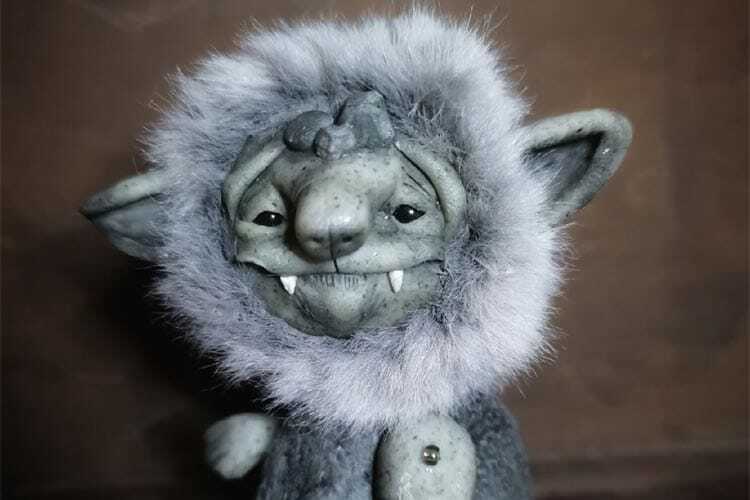
Creating compelling descriptions and backstories for fantasy creatures is essential for immersing readers in your narrative. These elements not only evoke vivid imagery but also breathe life into your creature, establishing its significance within the story. Crafting engaging descriptions requires attention to detail, allowing readers to visualize the creature’s appearance, movements, and essence. A well-constructed backstory enriches the creature’s role, providing context for its behavior and motivations.
The interplay between description and backstory can elevate the overall narrative, making it more engaging and memorable.
Crafting Vivid Descriptions
Compelling descriptions should evoke not just visual imagery but also emotional resonance, enabling readers to connect with the creature on a deeper level. When writing descriptions, consider the following aspects:
- Sensory Details: Incorporate elements that appeal to all five senses. Describe how the creature looks, sounds, smells, and even feels. For instance, a creature with shimmering scales might not only catch the light but also emit a faint, earthy aroma reminiscent of moss.
- Unique Features: Highlight distinctive traits that set the creature apart. For example, a creature with luminescent eyes could be described as having “glowing orbs that pierce through the darkness, reflecting its ancient wisdom.”
- Movement and Behavior: Illustrate how the creature moves and interacts with its environment. A graceful, agile creature might dance through the trees, while a lumbering beast may leave a trail of broken branches in its wake.
Effective descriptions engage the reader’s imagination, allowing them to visualize the creature as if it were real.
Developing Backstories
A creature’s backstory is vital in understanding its motivations and place in the narrative. A well-crafted backstory serves to deepen the reader’s engagement by providing context and history. Consider these elements when developing a creature’s backstory:
- Origin: Explore where the creature comes from. What environment shaped it? A creature born in a volcanic landscape might possess traits suited to heat and fire.
- Legends and Myths: Integrate the creature into the folklore of the world you are building. Perhaps the creature is feared or revered, leading to various stories about its existence that enrich the narrative.
- Personal Journey: Address the creature’s experiences and challenges that contributed to its current state. A creature that once protected a village might have been transformed by a tragic betrayal, altering its demeanor.
A well-defined backstory adds layers to your creature, making it more relatable and engaging for readers.
Structuring Engaging Narratives
To effectively incorporate your fantasy creature into the narrative, a clear structure can enhance the flow and impact of the story. Consider the following elements when writing:
- Introduction of the Creature: Early in the narrative, introduce the creature through a descriptive scene that showcases its unique traits and behaviors. This establishes its presence in the story.
- Conflict Involvement: Position the creature within a conflict that drives the narrative. This could relate to its struggles, relationships with other characters, or its role within its ecosystem.
- Resolution and Growth: Conclude with a transformation or realization that illustrates character development. This could involve the creature overcoming a fear or forging a bond with another character.
A well-structured narrative allows the reader to journey alongside the creature, fostering a deeper connection to the story.
Integrating Creatures into Your Story
Incorporating fantasy creatures into a narrative enriches the world-building and deepens the reader’s engagement with the story. These beings can serve as pivotal elements that shape plot dynamics and character development. When effectively integrated, fantasy creatures not only add visual and thematic interest but also create opportunities for conflict, alliances, and transformational journeys for the characters involved.Understanding how to weave these creatures into the fabric of your storyline is essential.
They can serve various roles, from allies who assist the protagonist to antagonists who challenge their journey. The key lies in how these creatures influence the overall narrative and interact with the characters. Additionally, potential plot points arise from their unique abilities, cultural significance, and the environments they inhabit, which can lead to conflicts or alliances with human characters.
Potential Plot Points and Conflicts
The presence of fantasy creatures can give rise to numerous plot points and conflicts, each contributing to the tension and resolution within the story. Here are some examples of conflicts that might emerge:
- The creature’s existence may threaten the balance of nature, forcing the protagonist to choose between preserving it or saving their community.
- An ancient prophecy could dictate that a specific creature is the key to overcoming a great evil, leading to quests and battles to secure or protect it.
- Alliances with creatures may be tested as characters face moral dilemmas regarding their treatment and the implications of using them for personal gain.
- The creature might hold knowledge or power that characters seek, leading to a cat-and-mouse chase filled with betrayals and unexpected partnerships.
Story Roles for Fantasy Creatures
Fantasy creatures can fulfill various roles within a narrative, shaping the trajectory of the plot and influencing character arcs. Below is a table summarizing different roles that these creatures can embody:
| Role | Description |
|---|---|
| Ally | A creature that assists the protagonist, providing guidance, protection, or unique abilities that aid in their quest. |
| Antagonist | A creature that opposes the protagonist, creating challenges and obstacles that must be overcome. |
| Guide | A wise creature that offers knowledge and insights, helping characters navigate complex situations. |
| Symbol | A creature representing larger themes, ideals, or the internal struggles of characters, enriching the narrative’s depth. |
| Neutral Force | A creature that exists within the story without taking sides, influencing events through its mere presence and actions. |
The integration of fantasy creatures transforms a simple tale into an epic journey, blending the realms of imagination with the depths of human experience.
Finalizing Your Creation
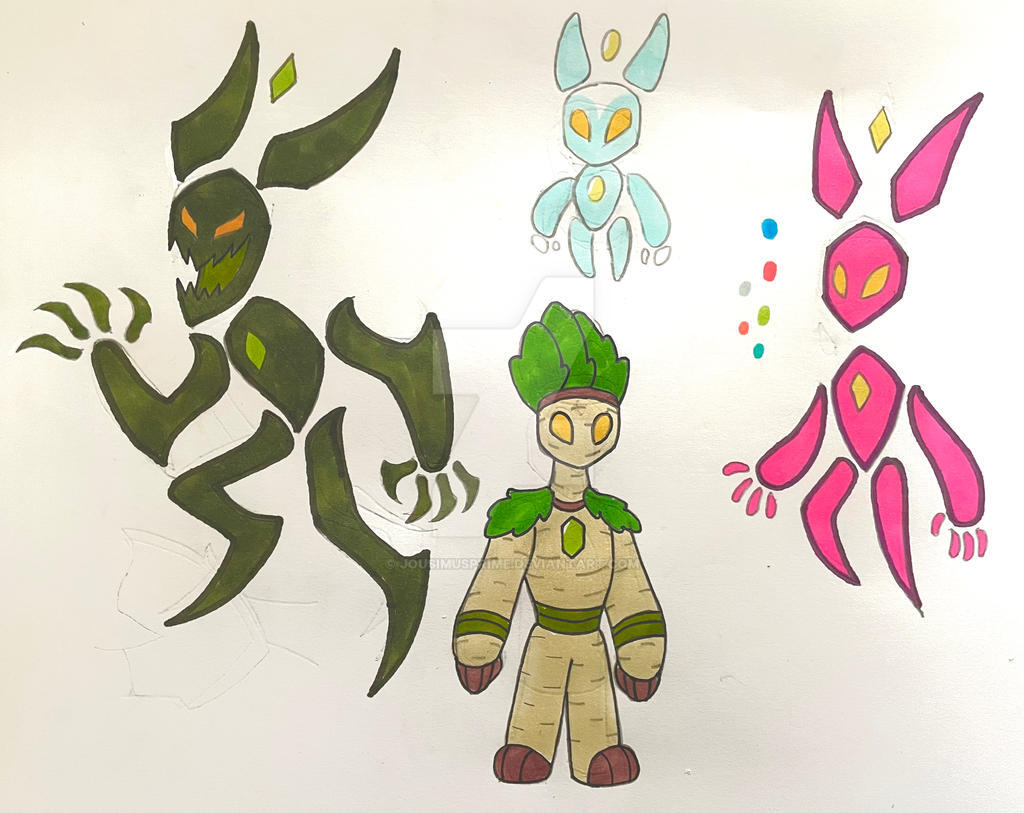
Finalizing your fantasy creature is a critical step in the creative process, as it ensures that every aspect of your design is coherent and polished. This phase allows you to refine details that will enhance the believability and uniqueness of your creature, establishing a solid foundation for its role within your narrative. A well-finalized creature not only captivates the audience but also enriches the world you are creating.Refining and polishing your fantasy creature design involves several methods that can elevate your creation from a basic concept to a fully realized entity.
Engaging in revision is essential, as it allows for the identification of inconsistencies or weaknesses in your design. Gathering feedback from peers or mentors can provide fresh perspectives and insights that you may not have considered. This collective input can be invaluable in shaping a more rounded and compelling creature.
Methods for Refinement
To ensure a thorough refinement process, consider the following strategies:
- Review Physical Attributes: Analyze the anatomy and features of your creature. Ensure that its physical traits align with its role in the ecosystem and the story.
- Seek Peer Feedback: Share your creature design with fellow creators or writing groups. Constructive criticism can highlight areas for improvement and spark new ideas.
- Revise Backstories: Ensure that the backstory and cultural significance of your creature are fully developed. A strong narrative adds depth and context.
- Consult Reference Materials: Look at other fantasy creatures across literature and art for inspiration while ensuring your design remains original.
- Test Visual Design: Create multiple sketches or digital illustrations to explore different visual interpretations of your creature. This experimentation can reveal the most engaging designs.
Incorporating feedback and undergoing revision is vital in the creative process. Artistic growth often stems from the willingness to adapt and enhance one’s work based on external input. Feedback can illuminate blind spots in your design and encourage you to think outside the box. Keeping an open mind during this stage can lead to unexpected but rewarding changes.
Checklist for Finalization
To ensure all aspects of your creature are well-developed before finalizing, consider the following checklist:
- Clear Understanding of Purpose: Verify that the creature serves a distinct purpose in your story.
- Consistent Physical Attributes: Confirm that the physical traits match the creature’s behavior and environment.
- Developed Backstory: Ensure the creature has a rich history that informs its behaviors and interactions.
- Defined Habitat: Check that the habitat is logical, supportive of the creature’s needs, and consistent within your world.
- Behavioral Traits: Review and refine the creature’s behavioral characteristics to ensure they are realistic and engaging.
- Cultural Impact: Assess how the creature fits into the broader mythology or cultural landscape of your story.
- Illustration Quality: Ensure final illustrations are polished and accurately represent the creature.
“A well-thought-out creature can breathe life into your narrative, making it more immersive and compelling for your audience.”
Final Wrap-Up
In conclusion, creating stunning fantasy creatures is an intricate blend of imagination, structure, and inspiration. By understanding their physical attributes, behaviors, and cultural contexts, you will bring forth characters that not only enrich your stories but also resonate with audiences on a deeper level. Embrace the creative process, and let your unique vision breathe life into the fantastical beings that will captivate and inspire others for years to come.