Delving into How to Draw a Webcomic Panel, this introduction invites aspiring artists to explore the intricate art of creating webcomic panels. These panels serve as the backbone of visual storytelling, where each frame captures not just actions but emotions, settings, and character interactions, guiding readers through a narrative journey.
Understanding the significance of panel layouts, sizes, and shapes will enhance your storytelling technique. This guide covers essential tools, effective composition principles, and writing strategies that seamlessly blend text and visuals. Whether you are using traditional methods or digital tools, mastering these elements is key to crafting engaging webcomic panels.
Understanding Webcomic Panels
Webcomic panels represent fundamental building blocks in visual storytelling, allowing creators to convey narratives through sequential art. These panels serve not only as frames for illustrations but also as critical elements for pacing, mood, and emotional impact. Understanding their significance is essential for artists aiming to engage audiences effectively.
The layout and structure of webcomic panels can greatly influence how a story is perceived and understood. Various panel designs can be employed to achieve different storytelling effects, adapting to the rhythm and tone of the narrative. The arrangement of these panels helps guide the reader’s eye, creating an intuitive flow that enhances comprehension and engagement.
Types of Webcomic Panel Layouts
Different webcomic panel layouts can be employed to create distinct visual experiences. Each layout offers unique advantages that can enhance the storytelling elements. The following are common types of panel layouts:
- Single Panel: A single, expansive panel can capture a moment in time, allowing for detailed artwork and focused storytelling. This layout often emphasizes a specific emotion or action.
- Grid Layout: A grid layout consists of multiple panels organized in rows and columns. This format allows for a rapid sequence of events and is effective for dialogue-heavy scenes.
- Full-Width Panel: A full-width panel spanning the entire page can create dramatic emphasis, often utilized for climactic moments or to convey significant shifts in the narrative.
- Asymmetrical Layout: This layout features panels of varying sizes and shapes, often reflecting the emotional tone of the scene or allowing for dynamic action sequences. It breaks the monotony of traditional layouts and engages the reader’s eye.
Role of Panel Size and Shape in Conveying Emotions
The dimensions and forms of webcomic panels play a crucial role in expressing emotions and guiding reader perceptions. Different sizes and shapes can evoke distinct feelings or suggest varying narrative rhythms.
Panel size can amplify tension, while larger panels can evoke contemplation and reflection.
For instance, smaller panels may create a sense of urgency, propelling the reader through fast-paced action or dialogue. In contrast, larger panels often invite readers to linger, fostering a deeper emotional connection to the characters and their experiences.
Moreover, the use of irregularly shaped panels can suggest chaos or instability within a narrative, visually representing turmoil or conflict. By thoughtfully manipulating panel sizes and forms, artists can enhance the storytelling experience and immerse readers in the emotional landscape of the webcomic.
Essential Tools for Drawing Panels
Drawing webcomic panels requires a mix of traditional and digital tools to bring your creative vision to life. Whether you favor the tactile feel of paper and pencil or the efficiency of digital software, having the right equipment is crucial for accomplishing your artistic goals. This section Artikels the essential tools and materials needed for creating webcomic panels, as well as a discussion on the advantages of both traditional and digital methods.
Required Tools and Materials
To effectively create webcomic panels, you should gather a variety of tools that cater to both your artistic style and workflow. Below is a list of essential tools needed for drawing webcomic panels:
- Pencils: Graphite pencils of varying hardness are essential for sketching initial layouts. Softer pencils (e.g., 2B, 4B) are great for shading, while harder pencils (e.g., H, 2H) help in creating fine lines.
- Inking Pens: Fineliners or brush pens are ideal for inking over pencil sketches. These pens come in various nib sizes to achieve different line weights.
- Papers: Choose smooth Bristol board or marker paper that can withstand ink without bleeding. High-quality sketch paper is also recommended for drafts.
- Erasers: A kneaded eraser is perfect for gently lifting graphite without damaging the paper. A regular vinyl eraser is useful for more aggressive corrections.
- Ruler: A straightedge ruler helps in creating clean, straight lines and panel borders.
- Lightbox: This tool is beneficial for tracing and refining sketches by illuminating the underlying layers.
Digital Software Options
For artists leaning towards digital creation, several software options offer features tailored to webcomic creation. These programs provide a wide range of tools for drawing, coloring, and laying out panels efficiently. Here are some popular choices:
- Clip Studio Paint: Widely favored among comic artists, it offers customizable brushes, vector layers, and comic-specific tools such as panel layouts and speech bubbles.
- Adobe Photoshop: This versatile software is known for its extensive functionality, including advanced coloring options and photo editing capabilities, making it suitable for varied artistic needs.
- Procreate: Available on iPad, Procreate is popular for its intuitive interface and robust brush engine, allowing for a seamless drawing experience with touch controls.
- Krita: This free, open-source software is designed for digital painting and offers features like frame-by-frame animation and comic templates, making it a great choice for webcomic artists.
Traditional vs. Digital Tools
Both traditional and digital tools have their unique advantages when it comes to creating webcomic panels. Understanding these benefits can help you choose the tools that best suit your artistic process.
Digital tools offer remarkable flexibility. Artists can easily undo mistakes and manipulate layers without compromising the original artwork. Additionally, digital platforms often include a variety of brushes and color palettes, enabling rapid experimentation. The capability to export artwork in multiple formats ensures compatibility with various web platforms.
On the other hand, traditional tools provide a tactile experience that many artists cherish. The physical act of drawing on paper can foster creativity and a connection to the artwork that is sometimes lost in the digital realm. Traditional methods also require less technical knowledge, making them more accessible for beginners. Furthermore, the unique textures and imperfections of hand-drawn art can add character and warmth that digital art may lack.
“Choosing the right tools is crucial for effectively conveying your artistic vision.”
Step-by-Step Guide to Drawing a Panel
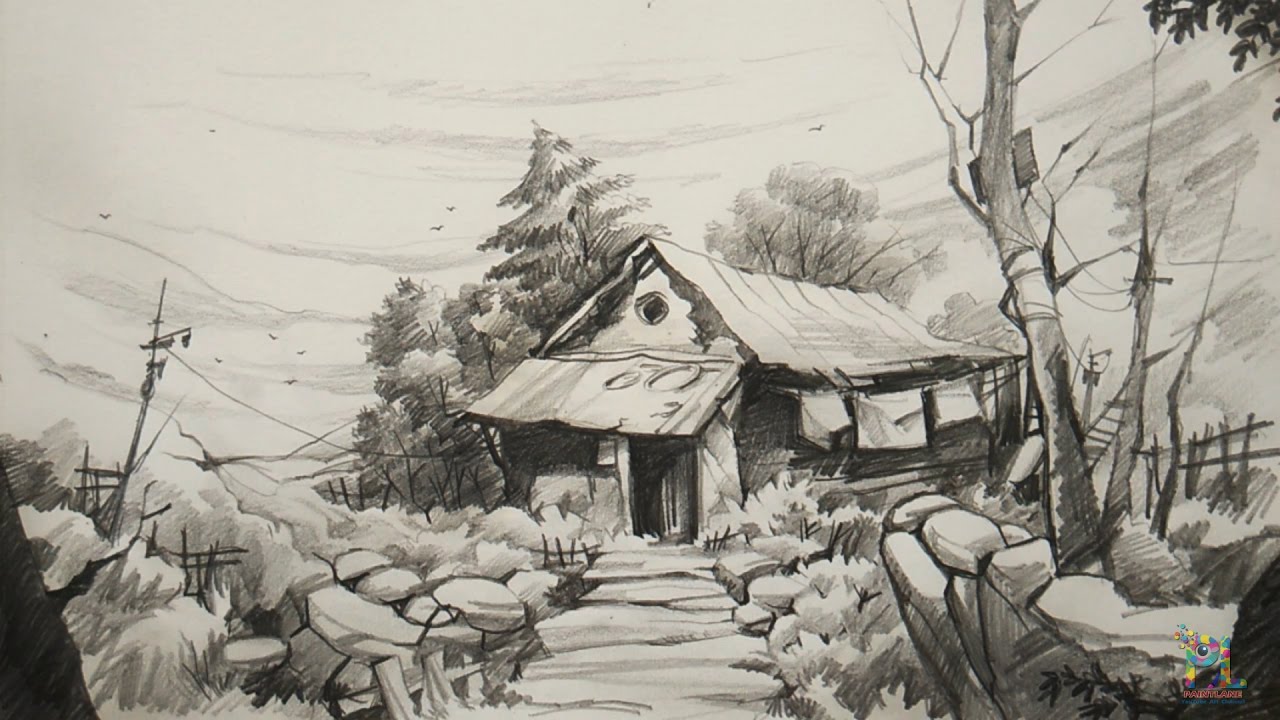
Drawing a webcomic panel is an intricate process that requires both creativity and technical skill. Each step in the process contributes to the overall effectiveness and aesthetic appeal of the comic. Understanding how to navigate through the stages from concept to completion allows an artist to create compelling visual narratives effectively.The first step in drawing a webcomic panel involves sketching the initial layout.
This foundational stage is crucial as it sets the stage for everything that follows. The initial layout includes determining the panel’s composition and perspective, which influences how the story is perceived by the audience. An effective layout balances elements such as characters, backgrounds, and dialogue to create a cohesive and engaging scene.
Initial Layout Sketching Techniques
Creating a well-structured initial layout necessitates a clear understanding of perspective and composition. Here are the key techniques to consider:
- Establish the Scene: Begin by defining the environment where the action will take place. Use basic shapes to Artikel structures and significant elements within the scene.
- Set the Perspective: Decide on the perspective that best suits the story. This could be one-point, two-point, or three-point perspective, depending on the complexity of the scene and the desired depth.
- Position Characters: Sketch rough Artikels of characters in appropriate poses and positions to convey their actions and emotions effectively. Make sure to align them with the perspective established earlier.
- Add Essential Dialogue or Captions: Plan where text will appear within the panel. This can influence the placement of characters and actions, ensuring that the visual narrative guides the reader’s eye naturally through the panel.
With the initial layout complete, the next phase is inking, which brings the sketches to life with defined lines. In this stage, artists can choose different inking techniques depending on the desired style and mood of the comic.
Inking Techniques
Inking is a critical process that refines the artwork and prepares it for coloring. Below are essential inking techniques to enhance the visual quality of webcomic panels:
- Line Weight Variation: Utilize varying thicknesses in your lines to create emphasis and depth. Thicker lines can Artikel primary characters or objects, while thinner lines can detail secondary elements.
- Use of Textures: Introduce textures by employing techniques such as cross-hatching or stippling, which can add complexity and visual interest to backgrounds and character details.
- Inking Tools: Select appropriate tools for inking, such as brush pens, fine liners, or digital inking software that allows for precise control over line quality.
Once the inking is finalized, the next step is coloring the panel. Color enhances the narrative by setting the mood, highlighting actions, and bringing attention to significant elements in the scene.
Coloring Techniques
Coloring is an essential component of webcomic creation that can dramatically impact a reader’s engagement. The following techniques will help ensure effective color application:
- Color Palette Selection: Choose a cohesive color palette that reflects the tone of the comic. Consider using a limited palette for a more stylized look or a broader range for a more vibrant feel.
- Layering Colors: Apply colors in layers, starting with base colors and then adding shadows and highlights to create depth and dimension in the artwork.
- Digital vs. Traditional Coloring: Depending on the medium, use digital tools for precise color application or traditional media such as watercolors or markers, both of which can produce unique finishes.
The combination of these techniques results in a polished and professional webcomic panel that effectively communicates the intended narrative and captures the reader’s imagination.
Composition Principles for Panels
The composition of webcomic panels plays a critical role in guiding the reader’s experience and enhancing storytelling. A well-composed panel can evoke emotions, emphasize narrative elements, and maintain the reader’s interest throughout the comic. Understanding how to effectively arrange visual elements within a panel not only aids in clarity but also contributes to the overall aesthetic appeal of the artwork.Key elements of composition include balance, focus, and flow.
Each element serves to create a cohesive and engaging panel that draws readers in and directs their attention where it is most needed. Achieving a harmonious balance ensures that no single part of the panel overpowers another, while a clear focus allows important elements to stand out. Flow, on the other hand, guides the reader’s eye through the sequence of events, ensuring a smooth progression from one panel to the next.
Key Elements of Composition
Understanding the key elements of composition can significantly enhance the effectiveness of webcomic panels. The following points Artikel these essential aspects:
- Balance: The arrangement of visual elements should be even and well-proportioned. This can be achieved through symmetrical or asymmetrical balance, depending on the desired effect. A balanced panel creates a sense of stability and calm.
- Focus: The focal point of the panel should be clear and immediately noticeable. This can be done through size, color contrast, or placement. A strong focus draws the reader’s attention and highlights the main action or emotion.
- Flow: The visual flow directs how the reader’s eye moves through the panel and the comic as a whole. Effective use of lines, shapes, and placement can lead the reader’s gaze naturally from one element to the next, ensuring a seamless narrative experience.
To illustrate the importance of composition, consider the following examples of effective panel composition:
| Example | Description |
|---|---|
| Symmetrical Balance | A panel featuring a central character with equal visual weight on both sides, enhancing the character’s importance and creating a sense of stability. |
| Asymmetrical Balance | Utilizing larger objects on one side balanced by smaller elements on the opposite side, creating dynamism and intrigue without sacrificing stability. |
| Strong Focus | A close-up of a character’s face with a blurred background, emphasizing their emotional state and drawing the reader’s attention directly to their expression. |
| Effective Flow | Using dynamic lines and character positions to lead the reader’s eye from an action in one panel into the next, effectively narrating a sequence of events. |
Understanding these composition principles empowers creators to craft panels that not only tell a story but also captivate and engage readers on multiple levels. By mastering these techniques, webcomic artists can enhance both the visual and narrative aspects of their work, making their comics more appealing and effective.
Writing for Webcomic Panels

Writing for webcomic panels is a crucial element that combines visual storytelling with engaging narrative and dialogue. This synergy creates a more immersive experience for readers, allowing them to connect with characters and plotlines on a deeper level. Crafting dialogue and narration that resonate with the audience enhances the overall impact of the comic, making it both memorable and enjoyable.Effective dialogue and narration are paramount in webcomics, as they need to complement the artwork while driving the story forward.
To achieve this, writers should focus on the following aspects:
Engaging Dialogue and Narration Techniques
Creating engaging dialogue involves understanding character voice, tone, and context. To make dialogue feel natural and relatable, consider the following techniques:
- Character Consistency: Ensure that each character’s dialogue reflects their personality and background. For instance, a witty character might employ sarcasm, while a more serious character would use straightforward language.
- Subtext: Allow characters to imply meanings beneath their words. This adds depth and intrigue to conversations, encouraging readers to engage more deeply with the narrative.
- Conciseness: Webcomic panels often have limited space, so keep dialogue short and impactful. Aim for clarity and avoid unnecessary explanations, allowing visuals to convey additional context.
- Emotion and Conflict: Infuse dialogue with emotional stakes and conflict to engage readers. Characters in disagreement or facing dilemmas can create tension that propels the story forward.
Pacing and Timing in Panel Storytelling
Pacing and timing are essential components that guide how readers experience a webcomic. The rhythm of dialogue and visual storytelling can significantly influence the audience’s emotional response. To master pacing, consider the following:
- Panel Length: The length and number of panels can dictate the pace of the story. A sequence with quick, short panels can create urgency, while longer panels can allow for introspection and reflection.
- Dialogue Delivery: The timing of dialogue is crucial. Use pauses and breaks effectively to enhance comedic timing or build suspense. A well-placed ellipsis can create anticipation, while rapid exchanges can heighten tension.
- Visual Cues: Integrate visuals that support the pacing, such as action lines or expressive character poses. These elements can enhance the feeling of speed or stillness, further influencing how the narrative unfolds.
Integrating Text and Visuals Harmoniously
The integration of text and visuals is vital for a cohesive storytelling experience. Techniques for achieving this harmony include:
- Text Placement: Position text in a way that complements the artwork without obstructing essential visual elements. Dialogue balloons should flow naturally with the characters’ mouth movements, enhancing readability.
- Visual Emphasis: Use visuals to emphasize key dialogue moments. For instance, if a character delivers an important line, consider a close-up shot to draw attention and heighten impact.
- Background and Text Interaction: Ensure that the background does not detract from the text. Utilize contrasting colors or shading to maintain legibility and keep the focus on the dialogue.
“Harmony between text and visuals not only enhances comprehension but also enriches the emotional experience of the reader.”
Common Mistakes to Avoid
Creating webcomic panels can be a rewarding endeavor, but it is essential to navigate common pitfalls that may hinder the effectiveness of your work. By being aware of these frequent mistakes, you can refine your skills and produce more engaging and visually appealing panels. One of the significant challenges faced by creators is the tendency to overlook essential elements of storytelling in their artwork.
This often results in unclear narratives or unsatisfactory compositions. Here are some common mistakes to avoid and tips for troubleshooting these issues.
Frequent Mistakes in Panel Design
Recognizing the typical errors made while drawing webcomic panels can significantly enhance the quality of your work. Here are some common mistakes that many creators encounter:
- Overcrowding Panels: Filling a panel with too much detail can overwhelm the reader. It’s crucial to strike a balance between detail and clarity. Focus on the essential elements that drive the narrative forward.
- Poor Composition: Neglecting the basic principles of composition, such as the rule of thirds, can lead to unbalanced panels. Ensure that your focal points are strategically placed to guide the viewer’s eye.
- Inconsistent Character Designs: Maintaining consistency in character appearance is vital for reader recognition. Regularly reviewing character sheets can help uphold design integrity throughout the comic.
- Lack of Clear Visual Storytelling: If the narrative is not conveyed clearly through visuals, it can lead to confusion. Employing visual cues and expressions that align with the storyline enhances reader understanding.
- Ineffective Use of Space: Utilizing space poorly, such as leaving excessive blank areas or cluttering the frame, detracts from the overall impact. Thoughtful consideration of negative space can improve readability and aesthetics.
Troubleshooting Drawing Issues
When encountering difficulties while creating webcomic panels, employing troubleshooting strategies can help identify and rectify problems. Here are some effective techniques to enhance your panel work:
- Reviewing Thumbnails: Creating small thumbnail sketches before finalizing panels allows you to visualize the overall composition and layout. This step can uncover potential issues early in the process.
- Focus on Key Elements: Identify the primary elements that must be communicated in each panel. By prioritizing these aspects, you can streamline your artwork and improve clarity.
- Solicit Feedback: Engaging with fellow artists or readers to obtain feedback on your panels can provide fresh perspectives and highlight areas needing improvement.
- Analyze Others’ Work: Studying successful webcomics can reveal effective techniques and inspire your approach to panel design. Pay attention to how they handle composition, pacing, and visual storytelling.
The Importance of Feedback and Self-Critique
In the journey of improving webcomic panels, feedback and self-critique play crucial roles. Actively seeking constructive criticism from peers can yield invaluable insights that enhance your work. It is essential to approach feedback with an open mind, understanding that it can lead to significant growth.Self-critique is equally important. Regularly reviewing your work allows you to identify patterns of mistakes and areas for improvement.
Creating a checklist of common errors can streamline this process, ensuring that you consistently refine your skills.
“Feedback is the breakfast of champions.” – Ken Blanchard
By being aware of common mistakes and adopting a proactive approach to feedback and self-evaluation, you can significantly elevate the quality of your webcomic panels and engage your audience more effectively.
Showcasing Your Webcomic Panels
Creating a compelling online presence is crucial for sharing your webcomic panels with a broader audience. By effectively showcasing your artwork, you increase the likelihood of attracting readers and building a community around your work. This section will explore various methods for promoting your webcomic panels, establishing an online portfolio, and leveraging social media to build an audience.
Methods for Sharing and Promoting Webcomic Panels
To effectively share and promote your webcomic panels, consider utilizing a mix of platforms that cater to different audiences. The following methods can significantly enhance your visibility:
- Webcomic Hosting Platforms: Websites such as Tapas, Webtoon, and Comic Fury offer platforms specifically designed for webcomic publishing. These platforms not only host your work but also provide built-in audiences eager for new comics.
- Personal Website: Creating a dedicated website allows for complete control over your portfolio and branding. A well-designed website can serve as a hub for your webcomic panels, updates, and merchandise.
- Online Art Communities: Participating in communities like DeviantArt, ArtStation, or even Reddit forums related to comics can expose your work to like-minded individuals and potential fans.
Guidelines for Creating an Online Portfolio
An online portfolio is essential for displaying your webcomic panels professionally. Consider the following guidelines when establishing your portfolio:
- Quality First: Include high-resolution images of your panels that showcase your artwork clearly and attractively. Ensure that images are well-lit and free from distractions.
- Organization: Create separate sections for different projects or styles. A clear and logical structure will help visitors navigate your portfolio easily.
- Artist Statement: Write a brief artist statement that reflects your vision, style, and the themes explored in your webcomic. This personal touch can resonate with potential readers.
Potential of Social Media in Gaining an Audience
Social media serves as a powerful tool for promoting webcomics, offering various ways to connect with potential readers. To maximize your reach, consider the following strategies:
- Platform Selection: Focus on platforms like Instagram, Twitter, and TikTok, which are popular for visual content. Tailor your content to each platform’s strengths; for example, use stories on Instagram and short clips on TikTok to engage your audience.
- Regular Updates: Consistency is key. Post regularly to maintain visibility and encourage followers to return for new content. Consider sharing behind-the-scenes progress or character sketches to spark interest.
- Engagement: Actively engage with your audience by responding to comments, participating in discussions, and collaborating with other creators. Building a community fosters loyalty and encourages word-of-mouth promotion.
“Successful webcomic creators often utilize multiple platforms to reach their audience, ensuring that their work is accessible wherever readers prefer to engage.”
Conclusive Thoughts

In conclusion, the journey to mastering webcomic panels encompasses a blend of creativity, technical skill, and storytelling acumen. By avoiding common mistakes and continuously seeking feedback, you can refine your craft and elevate your work to resonate with audiences. Sharing your creations through online platforms will not only showcase your talent but also build a community of enthusiastic readers eager to follow your webcomic adventures.