How to Draw Clothing and Fabric Folds opens up a fascinating exploration into the intricate world of textile art. Understanding the nuances of fabric folds not only enhances the aesthetic appeal of a drawing but also breathes life into the portrayal of garments. Each type of fabric presents unique characteristics that influence how it drapes and folds, offering artists a rich tapestry of possibilities to engage with.
By mastering the principles of folds and observing real-life examples, artists can develop a keen eye for detail, enabling them to represent clothing in a more realistic and dynamic manner. The interplay of gravity, weight, and movement plays a critical role in the formation of folds, making it essential for artists to grasp these concepts to enhance their illustrations.
Introduction to Clothing and Fabric Folds
Understanding clothing and fabric folds is crucial for anyone interested in drawing garments realistically. Folds not only add depth and dimension to fashion illustrations but also convey the weight and texture of the fabric. A well-drawn fold can enhance the overall aesthetic of a piece, making it appear more lifelike and dynamic. The ability to represent folds accurately can significantly elevate the quality of your drawings, allowing you to portray garments in a way that feels authentic and engaging.Different types of fabrics come with their unique folding characteristics, which play an essential role in how folds appear.
For instance, lightweight materials like chiffon tend to drape gracefully, creating soft, flowing folds, while heavier fabrics such as denim or canvas produce more structured and defined creases. Understanding these nuances is vital for artists, as they inform the way folds should be rendered in illustrations. The folds in a garment can also dramatically affect its overall appearance, influencing the viewer’s perception of style, movement, and form.
Types of Fabrics and Their Folding Characteristics
Recognizing the distinct folding attributes of various fabrics is essential for achieving realistic portrayals in drawing. Each fabric type interacts differently with gravity and body movement, resulting in a wide range of fold styles.
- Cotton: This fabric typically creates soft, natural folds that can vary in depth depending on the weight. A cotton t-shirt, for example, might show gentle draping around the shoulders, while a heavier cotton canvas will display more pronounced creases.
- Known for its luxurious texture, silk produces smooth, elegant folds that often cascade beautifully. The lightweight nature of silk leads to delicate, flowing lines that suggest movement and softness.
- Wool fabrics can create both soft and structured folds, depending on the weave. A wool coat may have more rigid creases, while lighter wool blends can drape more softly.
- Denim tends to have defined, sharp folds due to its heavier weight. The fabric’s structure allows for clear creases, making it ideal for drawing garments like jeans or jackets that maintain their shape.
- This lightweight, sheer fabric drapes softly and creates gentle, flowing folds. The ethereal quality of chiffon can be captured through soft, wavy lines that suggest its delicacy and movement.
Understanding how these fabric types behave in relation to folds can enhance the accuracy of your illustrations, making your work more visually appealing and convincing.
“The way a fabric folds can tell a story about the garment, influencing the viewer’s emotional response and perception of style.”
Incorporating these insights into your drawing practice will allow you to create more dynamic and engaging representations of clothing, showcasing the intricacies of fabric and the art of fold.
Basic Principles of Folds
Understanding the basic principles of fabric folds is essential for accurately rendering clothing in artwork. Folds are not just random creases; they are the result of a dynamic interplay between gravity, fabric weight, and the way materials drape. By grasping these fundamental concepts, artists can create more lifelike and realistic portrayals of clothing.Gravity plays a crucial role in the formation of fabric folds.
As fabric hangs or drapes over a form, the weight of the material causes it to bend and create various types of folds. The specific characteristics of the fabric, including its weight and texture, influence how it behaves under the force of gravity. For instance, heavier fabrics tend to fall more dramatically, producing deeper folds, while lighter fabrics may create softer, subtler folds.
Understanding these relationships allows artists to interpret clothing in a way that feels authentic.
Types of Folds
Different types of folds can be observed in clothing, each with unique characteristics and purposes. Below is an Artikel of various types of folds commonly encountered, along with their definitions:
| Type of Fold | Description |
|---|---|
| Knife Pleats | These are tight folds that are all in the same direction, creating a sharp, structured appearance often seen in skirts and dresses. |
| Box Pleats | Box pleats alternate the direction of the folds, creating a more volumetric effect and are commonly used in tailored garments. |
| Gathering | This technique involves pulling fabric together to create a ruffled effect, seen in blouses and skirts, producing soft folds. |
| Drapes | Drapes are formed when fabric is arranged in loose folds, often seen in garments designed to flow gracefully over the body. |
| Curved Folds | These are soft, rounded folds that occur in lightweight fabrics and create a gentle, flowing look, often found in dresses and blouses. |
The interplay of these types of folds can dramatically alter the visual impact of a garment. Artists can achieve a greater level of realism by studying these principles and applying them to their work.
Observing Real-Life Examples
The ability to accurately depict clothing and fabric folds hinges on careful observation and analysis of real-life examples. By studying garments in various environments, artists can gain insights into the dynamic nature of fabric and how it interacts with movement and light. Observing real clothing allows for a deeper understanding of the subtleties that characterize different types of folds, enhancing the overall quality of one’s drawings.Examining clothing in different settings provides numerous opportunities to identify and understand various types of folds and drapes.
Observers should pay attention to the textiles used, the way fabric hangs on the body, and how it behaves with movement. The following techniques can aid in accurately sketching clothing from life or images:
Methods for Sketching Clothing Directly
To effectively sketch clothing from life or images, one must adopt methods that emphasize observation and detail. The following strategies can improve the drawing process:
- Live Drawing Sessions: Attend fashion shows or public events where people wear diverse garments. Bring a sketchbook and capture poses, focusing on the fabric’s movement and structure.
- Use Reference Material: Gather photographs that showcase a variety of clothing styles. Focus on images with clear fabric folds and diverse lighting conditions to understand how folds are formed.
- Quick Sketching: Practice quick gesture drawings to capture the essence of clothing folds without getting bogged down in detail. This method helps to identify key shapes and lines.
- Analyze Different Fabrics: Observe how different materials, such as silk, denim, or cotton, behave. Each fabric type has unique properties that affect the formation and appearance of folds.
Understanding how lighting affects the visibility of fabric folds is crucial for rendering realistic clothing. Light interacts with the surface of the fabric, highlighting certain areas while casting shadows in others. The following points illustrate the impact of lighting on folds:
Impact of Lighting on Fabric Folds
Lighting plays a pivotal role in defining the depth and texture of clothing folds. Observing how light interacts with fabric enhances the understanding of form and shadow. When studying fabric in different lighting environments, consider the following aspects:
- Direction of Light: The angle at which light hits the fabric influences the visibility of folds. Side lighting can accentuate textures, while overhead lighting may flatten the appearance of folds.
- Quality of Light: Soft, diffused light creates gentle shadows, revealing subtle folds, whereas harsh light generates sharp contrasts, making folds appear more pronounced.
- Color Temperature: The color of the light can alter the perception of folds. Warm light can bring out rich hues in fabric, while cool light might create a more subdued appearance.
- Reflective Surfaces: Shiny fabrics, such as satin, may reflect light differently, causing folds to appear more complex and layered compared to matte materials.
Techniques for Drawing Folds
Drawing folds in clothing and fabric is essential for creating realistic representations in art. Mastering the techniques for drawing folds allows artists to convey movement, texture, and three-dimensionality in their illustrations. This section will guide you through the step-by-step processes for depicting various types of folds, utilizing lines and shading to portray depth effectively.
Step-by-Step Techniques for Drawing Various Types of Folds
Understanding the basics of fold types is crucial for effective representation. Here is a straightforward guide to drawing some common fold types:
1. Straight Folds
Begin with a straight line to represent the fold’s edge.
Draw parallel lines that follow the contour of the fold.
Shade one side to suggest depth, using gentle gradients to imply light source direction.
2. Curved Folds
Start with a gentle curve for the fold’s Artikel.
Add interior lines that mimic the curvature, maintaining consistent spacing.
Apply shading along the inner curve to enhance three-dimensionality.
3. Draped Folds
Artikel the basic drape shape, often resembling a U or V form.
Divide the drape into sections with slightly curved lines to indicate volume.
Use shading techniques to illustrate the weight of the fabric, darker where the fabric overlaps.
4. Tucks and Pleats
For tucks, draw a straight line for the tuck’s top edge.
Create parallel lines that taper to the bottom to represent the fold.
Shade the sides for depth, making the center lighter.
5. Gathered Folds
Draw the top edge where the fabric gathers.
Use a series of tightly spaced, curved lines that flow downward.
Shade the gathered area to emphasize the thickness of the fabric.
Using Lines and Shading to Depict Depth in Folds
Lines and shading are instrumental in illustrating the depth of folds. The following techniques enhance the perception of volume:
Line Variation
Varying line thickness can create a sense of depth. Thicker lines often denote shadow, while thinner lines can represent light areas.
Cross-Hatching
This technique involves drawing intersecting lines to build up shadows. The density and direction of the lines can create an illusion of roundness.
Gradient Shading
Utilize a gradient approach by softly transitioning from dark to light. This mimics how light behaves on fabric, providing realistic highlights and shadows.
Common Mistakes to Avoid When Drawing Folds
Being aware of common errors can significantly improve your drawing skills. Below is a list of mistakes to avoid:
Over-Simplifying Folds
Folds are complex; reducing them to simple lines can result in unrealistic portrayals.
Ignoring Light Source
Not considering how light interacts with folds can lead to flat drawings. Always remember the light’s direction.
Inconsistent Line Weight
Using the same thickness for all lines can flatten your work. Varying line weight adds dimension.
Neglecting Fabric Type
Different fabrics behave differently; failing to consider fabric characteristics can result in inaccurate folds.
Avoiding Shadows
Neglecting to add shadows or depth can make folds appear one-dimensional and less lifelike.
“Understanding the principles of depth and light in folds is key to achieving realism in clothing illustrations.”
Different Types of Fabric Folds
Understanding the various types of fabric folds is essential for any artist looking to accurately depict clothing and fabric in their drawings. Each type of fold conveys different characteristics and movement, which can significantly impact the overall presentation of the piece. This section delves into three primary types of folds: pleats, tucks, and drapes, alongside a comparative analysis of how different fabric types behave when folded.
Pleats, Tucks, and Drapes
Pleats, tucks, and drapes are fundamental techniques for creating folds in fabric, each with distinct characteristics.
- Pleats are folds of fabric that are stitched or pressed into place. They create structured volume and usually consist of multiple layers. Pleats can vary in size and spacing, often used in skirts or trousers, providing both style and functionality. The sharpness of a pleat is influenced by the fabric’s stiffness; stiffer fabrics like cotton hold pleats well, while softer fabrics like silk may create softer, more relaxed pleats.
- Tucks are similar to pleats but are narrower and typically do not involve layering. They are often decorative and can create texture on a garment. Tucks can also vary in depth and spacing, allowing for creative expression. Fabrics like linen and lightweight cotton respond well to tucking, providing a crisp finish.
- Drapes, in contrast, are soft folds created by the weight of the fabric and the way it hangs. Drapes are often seen in flowing garments such as dresses or capes. The behavior of drapes is heavily influenced by the fabric’s weight and drapeability; for example, silk and chiffon create elegant, flowing drapes, while heavier fabrics like wool may produce more structured forms.
When observing how different fabrics behave when folded, it is critical to note how their physical properties influence the resulting folds.
Stiffer fabrics maintain structure, while softer fabrics create more graceful and relaxed folds.
To better understand the characteristics of various folds, the following table categorizes popular fabric types alongside their specific features:
| Fabric Type | Pleats | Tucks | Drapes |
|---|---|---|---|
| Cotton | Well-structured, holds shape | Sharp and crisp | Moderate draping quality |
| Silk | Softer, elegant pleats | Delicate and refined | Fluid, graceful drapes |
| Linen | Defined, but softer than cotton | Textured and relaxed | Natural drape with structure |
| Wool | Sturdy, maintains shape | Defined, but heavier | Structured, with less flow |
| Chiffon | Soft, flowing pleats | Light, airy tucks | Exquisite, ethereal drapes |
This categorization helps in understanding how to approach drawing folds in various fabrics, ensuring that artists can replicate the nuances found in real-life clothing. By mastering these techniques, artists can enhance their ability to convey depth and movement in their fabric drawings.
Dynamic Folds in Motion
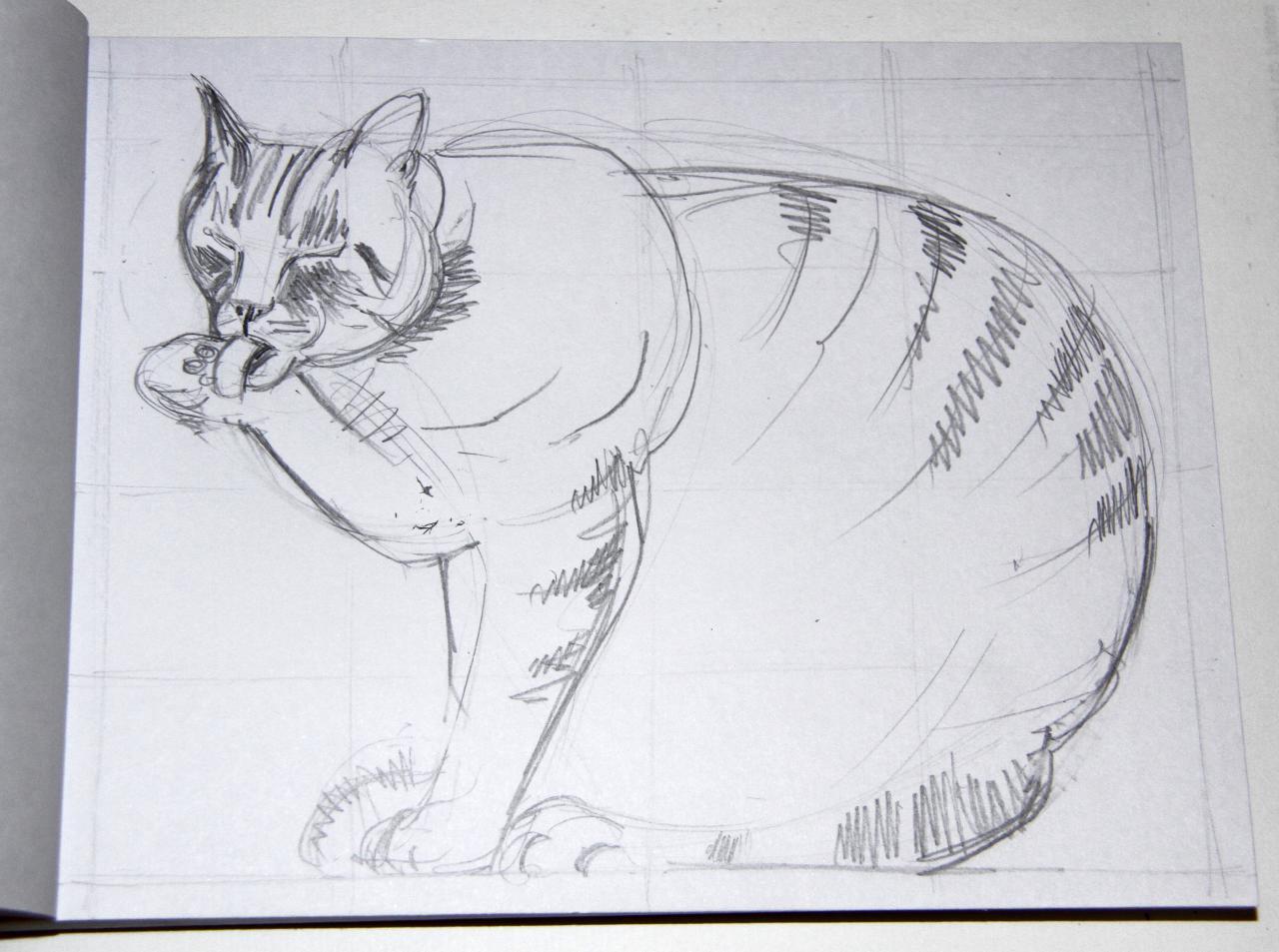
Movement plays a critical role in the appearance of clothing folds, transforming static representations into active, lively forms. As garments shift and bend with the body, the resulting folds illustrate not only the fabric’s characteristics but also the energy and dynamism of the pose. Understanding how motion influences the way fabric behaves is essential for any artist seeking to capture realism in their drawings.When an individual moves, the folds in the fabric respond to the changes in tension, gravity, and body position.
For instance, a fabric may bunch up when an arm is raised or stretch tight across the back when someone bends forward. Observing how different fabrics react to similar movements can provide invaluable insight into the nuances of dynamic folds.
Illustrating Folds in Various Poses
To effectively illustrate dynamic folds, it is essential to analyze different poses and the corresponding fabric reactions. Here are some common actions accompanied by their typical fold formations:
- Walking: When a person walks, the legs create tension in the fabric around the thighs. The fabric will often drape in a way that reflects this motion, with folds forming around the knee and hip areas. For example, a loose-fitting tunic may gather around the waist and flutter as the legs move.
- Running: In a running pose, the fabric is pulled taut across the body, particularly at the shoulders and sides. The folds will appear more stretched and streamlined, while loose fabric may billow behind, creating dynamic, sweeping lines that suggest speed.
- Reaching: As an arm extends upward, the fabric across the torso and underarm may bunch up, creating short, sharp folds that indicate tension. A fitted shirt may exhibit more pronounced folds compared to a flowing blouse, which could cascade gently.
- Sitting: When seated, the fabric around the lap and thighs tends to create horizontal folds. The weight of the fabric causes it to drape and gather, often revealing deep creases that convey the weight of the material.
To capture the sense of motion in drawn fabric, consider the following tips:
Use Lines to Convey Movement
Employ curved lines that follow the shape of the body to illustrate how the fabric reacts to movement.
Vary Fold Depth and Width
Different folds convey different amounts of motion. Sharp, deep folds suggest sudden movements, while gentle, shallow folds indicate a softer action.
Focus on Light and Shadow
Highlighting areas where light hits the fabric versus where shadows fall can enhance the three-dimensionality of folds in motion.
Observe Real-life References
Study videos or live models to understand how fabrics of various types behave in motion. Pay attention to the subtle changes that occur as the body moves.By applying these principles and continuously observing how fabric interacts with motion, artists can create compelling depictions that convey not just the physical properties of clothing but also the underlying energy of movement.
Advanced Techniques for Professionals
In the realm of drawing clothing and fabric folds, professionals often seek to refine their skills through advanced techniques that enhance the realism and depth of their artwork. This segment explores the integration of digital tools, sophisticated shading methods, and the effective portrayal of fabric textures, all of which contribute to a more lifelike representation of folds in clothing.
Use of Digital Tools for Drawing Folds
Digital tools have revolutionized the way artists approach drawing folds, offering versatility and precision that traditional methods may lack. The benefits of utilizing software such as Adobe Photoshop, Corel Painter, or Procreate are significant for professionals aiming to achieve detailed and expressive representations.
- Layer Functionality: Utilizing layers allows artists to separate different elements of their drawings, making it easier to adjust and refine folds without affecting the entire composition. This flexibility is particularly useful when experimenting with various fold styles and placements.
- Brush Customization: Digital brushes can be tailored to mimic traditional media or create unique textures that simulate the look of various fabrics. Artists can develop custom brushes that replicate the characteristics of specific textiles, such as denim or silk.
- Ease of Editing: The ability to undo actions and alter specific areas of the drawing enhances the creative process. Professionals can quickly iterate on their work and test different shading techniques or color palettes without the risk of permanent mistakes.
Advanced Shading Techniques to Enhance Realism
Shading is crucial in conveying depth and dimension in fabric folds. Professionals often employ advanced techniques to achieve a high level of realism, which can make a significant difference in the final artwork.
- Gradient Blending: Smooth transitions between light and shadow can be achieved through gradient blending, which gives folds a more three-dimensional appearance. This technique is especially effective for soft materials that drape elegantly.
- Layered Shadows: Applying multiple layers of shading can create complex shadow effects. By building up layers gradually, artists can capture the intricate interplay of light and shadow within folds, enhancing the form of the clothing.
- Highlight Techniques: Strategic placement of highlights can emphasize the curvature and depth of folds. Using a lighter or contrasting color at the peak of a fold, while keeping the surrounding areas darker, adds dimension and draws the viewer’s eye to the intricacies of the fabric.
Importance of Fabric Texture and Conveying It in Drawings
The texture of fabric plays a pivotal role in how folds are perceived. An accurate representation of texture not only informs the viewer about the material but also enhances the authenticity of the folds depicted.
- Visual Texture Techniques: Techniques such as stippling, cross-hatching, and scumbling can mimic the texture of various fabrics. Each technique can be selectively applied to different areas of the fabric to represent the unique qualities of the material.
- Color Variation: Subtle color variations can suggest texture; for example, a slightly muted color palette can convey the softness of cotton, while sharper contrasts may be used to depict the sheen of silk.
- Observation and Reference: Observing real-life examples of fabric and how they interact with light and shadow is essential. Using reference photos or studying garments can help artists understand how to reproduce the texture and flow of fabric accurately in their work.
Practice Exercises
Practicing the art of drawing clothing and fabric folds is essential for any artist looking to master garment design. Folds add depth, realism, and interest to illustrations, making them an integral part of fabric rendering. This section presents a series of exercises that will help artists enhance their skills in depicting folds accurately and creatively.To develop a solid understanding of folds, it is important to incorporate exercises that focus on different types of fabric and how they interact with movement and form.
The following practice exercises will help you explore various aspects of drawing folds, from basic shapes to more complex designs, enhancing your artistic repertoire.
Exercises for Practicing Different Types of Folds
Engaging in targeted exercises can significantly improve your capability to draw folds convincingly. The following exercises are designed to help you practice and refine your skills in this area:
- Folding Studies: Gather a variety of fabric types, such as cotton, silk, and denim. Fold them in different ways, and sketch them from various angles. Focus on the structure of the folds and their shadows.
- Quick Gesture Drawings: Set a timer for 5 minutes and create quick sketches of draped fabrics. Concentrate on capturing the essence of the folds rather than details, emphasizing the movement and flow.
- Reference Photo Analysis: Choose reference photos of garments and analyze the folds in each image. Create a series of sketches based on these references, paying attention to how light interacts with the fabric.
- Fold Combination Exercises: Select two or three types of fabric and create a garment design that incorporates the unique folds of each. Sketch your design, ensuring to highlight how the different fabrics interact with one another.
- Texture Rendering: Practice rendering the texture of various fabrics while depicting their folds. Use color and shading techniques to show how the fabric’s weight and type affect the fold’s appearance.
Incorporating Folds into Full Garment Designs
Folds can transform a simple garment into a stunning piece of art. When incorporating folds into full garment designs, consider how each fold contributes to the overall composition and functionality of the piece. Here are some strategies to effectively integrate folds into your designs:
- Designing with Purpose: Choose a garment type, such as a dress or jacket, and identify key areas where folds can enhance the design. For instance, use pleats in skirts to add volume or draping in blouses to create elegance.
- Layering Techniques: Experiment with layering different fabrics in your designs. This can lead to intricate fold patterns that add depth and visual interest. For example, a sheer overlay on a solid base can create dynamic folds.
- Movement Consideration: When sketching a moving figure, think about how motion affects the folds. Draw the garment in action, illustrating how the folds shift and change position as the figure moves.
- Functional Folds: Design garments that utilize folds for functional purposes, such as pockets concealed within pleats or adjustable straps. This not only enhances aesthetic appeal but also adds practicality.
Challenge to Depict Folds in Unique Ways
To inspire creativity and push artistic boundaries, consider participating in a fold-focused challenge. This exercise encourages artists to think outside of traditional representations and explore innovative ways to depict folds in their work.The challenge involves selecting an unusual fabric or material, such as plastic or paper, and illustrating it in a garment form. Artists should focus on the unique folding characteristics of the material, considering how it behaves differently from traditional fabrics.
For example, how does a plastic garment fold and drape compared to silk? Artists can document their process through sketches and final illustrations, showcasing the transformation of the material in their designs.
“Art is not what you see, but what you make others see.”Edgar Degas
Closing Summary
In conclusion, the journey of mastering how to draw clothing and fabric folds is not only about technique but also about understanding the fabric’s essence and how it interacts with the world. By applying the principles discussed and practicing through various exercises, artists can elevate their work, adding depth and realism to their designs. Embracing the challenges of depicting folds can lead to discoveries that enhance artistic expression and creativity, ultimately enriching one’s skill set.