How to Paint Fire and Magical Effects invites artists to delve into the captivating realm of flames and enchantment through their brushstrokes. This exploration emphasizes the importance of these dynamic elements in visual art, illustrating their historical significance and evolution across various art forms. By understanding the techniques and materials necessary for portraying fire and magical effects, artists can elevate their work to new heights, creating mesmerizing visuals that capture the imagination.
From selecting the right tools to mastering color gradients and layering techniques, this guide provides comprehensive insights into the methods that breathe life into fire and magic in paintings. Readers will discover practical tips and step-by-step processes that simplify complex techniques and enrich their artistic expression.
Understanding Fire and Magical Effects in Art
The representation of fire and magical effects in visual art serves as a powerful means of expression, evoking emotion and capturing the imagination. Fire, with its dynamic movement and vibrant hues, symbolizes transformation and destruction, while magical effects often evoke a sense of wonder and otherworldliness. Artists have harnessed these elements throughout history to convey complex narratives and emotions, bridging the gap between reality and the fantastical.Historically, the depiction of fire in art dates back to prehistoric times, where cave paintings illustrated the significance of fire in daily life.
As art evolved through various periods, artists began to explore fire’s aesthetic qualities and symbolic meanings. In ancient civilizations, such as the Greeks and Romans, fire represented both divine presence and human passion. The Renaissance period saw a further evolution as artists like Caravaggio skillfully captured light and shadow, using fire to enhance dramatic tension within their compositions.
Techniques and Styles for Portraying Fire
Artists employ a range of techniques and styles to depict fire, each contributing to the overall impact of the artwork. Understanding these methods can enrich an artist’s own practice. One important technique involves the use of color theory to replicate the warmth and glow of fire. Artists often utilize a palette of yellows, oranges, and reds, blending these hues to create a sense of luminosity.
The vibrancy of colors can capture the flickering quality of flames, providing a sense of movement that engages viewers.Another technique is the application of dynamic brushwork. Loose, energetic strokes can convey the fluid nature of fire, while more controlled techniques may depict its stillness in moments of calm. Artists like J.M.W. Turner exemplified this approach, using sweeping strokes and layered glazes to create luminous skies and dramatic fire scenes.In terms of magical effects, artists often rely on imaginative use of light and shadow.
The interplay between these elements can create an ethereal quality, enhancing the perception of enchantment. Key styles that effectively portray magical effects include:
- Impressionism: This style emphasizes light and its changing qualities, allowing for a sense of magic in everyday life through soft brush strokes and vibrant color palettes.
- Surrealism: Artists like Salvador Dalí employ unusual and dreamlike imagery, merging reality with the fantastical, which can evoke feelings of wonder and mystery.
- Fantasy Art: This genre specifically focuses on creating otherworldly scenes, often featuring magical beings, landscapes, and effects that transport viewers into imaginative realms.
The successful portrayal of fire and magical effects relies on an artist’s ability to manipulate color, brushwork, and compositional techniques. By studying these aspects, artists can create compelling visual narratives that resonate with viewers on both emotional and intellectual levels.
“The magic of art lies in its ability to capture the ephemeral nature of experiences, such as the flickering of flames or the enchantment of fantastical worlds.”
Materials and Tools for Painting Fire and Magical Effects
In the realm of artistic expression, painting fire and magical effects requires a specific set of materials and tools that can capture the dynamic and elusive qualities of these elements. The right selection can significantly enhance the vibrancy and realism in artwork, allowing artists to portray the intensity and mystique associated with flames and magical phenomena.To effectively paint fire and magical effects, understanding the various types of paints and tools available is essential.
Each material serves a unique purpose, contributing to different visual outcomes. Below, we will Artikel the necessary materials and describe the most suitable paint types for creating these captivating effects.
Essential Materials for Painting Fire and Magical Effects
The following list Artikels the essential materials needed for artists to successfully depict fire and magical effects in their work. These materials play a crucial role in achieving desired textures, colors, and overall visual impact.
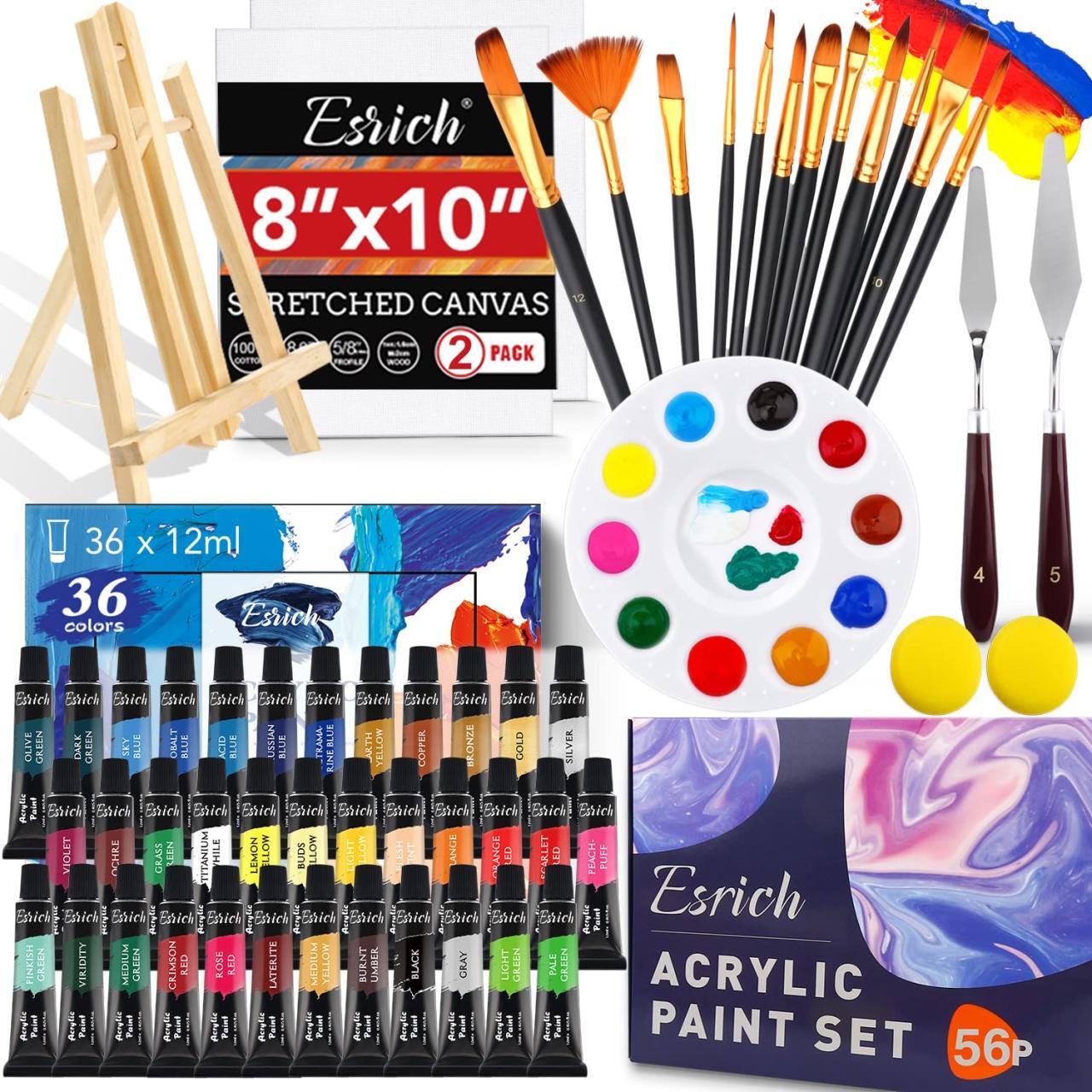
- Acrylic Paint: Fast-drying and versatile, acrylics are ideal for creating vibrant flames and magical glows. They can be easily layered and blended for depth.
- Watercolor Paint: Suitable for subtle magical effects, watercolors allow for delicate washes and transparency that can mimic ethereal qualities.
- Oil Paint: Provides a rich texture and long drying time, allowing for detailed blending, perfect for realistic fire representation.
- Glow-in-the-Dark Paint: Useful for adding a magical glow, this paint can enhance the visual appeal of artwork under low light conditions.
- Metallic Paint: Suitable for adding spark and shimmer, metallic paints can emphasize the magical qualities of an artwork.
Comparison of Paint Types
When choosing paint, it is important to consider both the color properties and the intended effects. Below is a table comparing different paint types and their suitability for painting fire and magical effects.
| Type of Paint | Characteristics | Best Use |
|---|---|---|
| Acrylic | Fast-drying, water-based, versatile | Vibrant fire effects, layering |
| Watercolor | Transparent, delicate, blendable | Subtle magical backgrounds |
| Oil | Rich texture, slow-drying, detailed | Realistic fire details |
| Glow-in-the-Dark | Phosphorescent, unique glow | Nighttime magical effects |
| Metallic | Reflective, shiny finish | Emphasizing magical sparkles |
Brushes and Tools for Flame and Magic Representation
The choice of brushes and tools is critical when attempting to capture the essence of fire and magical effects. Each tool offers different capabilities, allowing for diverse techniques and details in the artwork. Below is a comparison of brushes and tools specifically effective for flame and magic representation.
| Tool/Brush | Type | Best For |
|---|---|---|
| Round Brush | Brush | Creating fine lines and details in flames |
| Fan Brush | Brush | Texturing and creating flickering fire effects |
| Flat Brush | Brush | Broad strokes for background effects |
| Palette Knife | Tool | Creating texture and dimension in flames |
| Sponges | Tool | Blending colors for soft magical effects |
Techniques for Painting Realistic Fire

Creating the illusion of fire on canvas involves a combination of skillful technique and an understanding of color dynamics. Painting realistic flames requires attention to detail, as well as an appreciation for the movement and energy that fire embodies. Through a structured approach, artists can effectively capture the essence of fire, resulting in striking and vibrant artwork.
Step-by-Step Process of Painting Realistic Flames
To achieve a realistic depiction of fire, follow this systematic approach:
1. Gather References
Study photographs or videos of fire to understand its behavior, movement, and color patterns.
2. Draft the Artikel
Lightly sketch the shapes of the flames using a pencil. Keep the lines fluid to represent the natural movement of fire.
3. Base Layer
Apply a base layer of warm colors such as yellows and oranges. Use a broad brush to cover the majority of the flame area.
4. Add Depth
Introduce shades of red and dark orange to provide depth. Focus on areas closer to the center of the flames, as they tend to be hotter.
5. Highlight with White and Pale Yellow
Use a fine brush to add highlights in white and pale yellow at the tips of the flames. This will create the illusion of brightness and intensity.
6. Blend Colors
Use a soft brush or a blending tool to carefully blend the colors together, ensuring a smooth transition between shades.
7. Create Movement
With quick, sweeping strokes, add flickers and curves to the flames, mimicking the natural movement of fire.
8. Final Adjustments
Step back and assess the painting. Enhance any areas that may require more contrast or detail, ensuring the flames appear dynamic and alive.
Methods for Blending Colors to Achieve the Vibrant Look of Fire
Blending colors effectively is crucial for creating the vibrant appearance of fire. Here are a few techniques to master:
Wet-on-Wet Technique
Apply wet paint onto wet layers to create smooth transitions. This method helps in achieving the soft, flowing nature of flames.
Glazing
Use transparent layers of color over dried paint to build depth and luminosity. Start with lighter colors and progressively add darker shades to enhance the glow of the fire.
Dry Brushing
Employ a dry brush technique with minimal paint to create texture and effects that reflect the flickering nature of flames. This adds a level of realism that can be captivating in any artwork.
Feathering
Lightly drag a soft brush or sponge across the painted surface to blend colors at the edges of the flames, promoting a natural gradient.
Common Mistakes to Avoid When Painting Fire
Understanding the pitfalls in painting fire can help artists avoid common missteps. Keep the following points in mind:
Ignoring Movement
Fire is fluid and dynamic. Stiff or static flames can detract from realism.
Using Flat Colors
Avoid using solid colors without variation. Fire is rich in hues and requires a blend of shades to appear lifelike.
Over-Detailing
Too much detail can lead to a cluttered appearance. Focus on the overall effect rather than individual flame elements.
Neglecting Background
A well-painted background can enhance the fire’s brightness. Consider the source of light and its impact on the surrounding area.
Lack of Contrast
Ensure there are light and dark areas within the flames. Insufficient contrast can make the fire look dull and uninteresting.
“Realistic fire painting combines technique, color knowledge, and an understanding of movement to create dynamic art.”
Creating Magical Effects in Paintings
Magical effects in paintings bring an ethereal quality that can transform a traditional artwork into a captivating scene brimming with fantasy. By utilizing specific techniques and tools, artists can effectively convey the essence of magic, drawing viewers into a realm of wonder and imagination. This section will explore the use of color gradients, provide a detailed guide for painting glowing elements, and discuss layering techniques that enhance the illusion of magical phenomena.
Use of Color Gradients for Magical Effects
Color gradients are essential in creating depth and atmosphere in magical effects. A smooth transition between colors can evoke emotions and a sense of movement, enhancing the mystical elements of the artwork. The use of complementary colors can amplify the visual impact, creating a striking contrast that draws attention to the magical elements.To create effective color gradients:
- Select a base color that represents the essence of the magical effect, such as a vibrant blue for a water spell or a deep purple for a mystical aura.
- Choose a lighter and darker shade of the base color to facilitate the gradient transition.
- Apply the base color as a foundation on the canvas, allowing it to dry before adding the lighter shade on top, using a soft brush to blend the two colors seamlessly.
- Introduce the darker shade at the edges or areas requiring shadow, enhancing the illusion of depth and dimension.
Step-by-Step Guide for Painting Glowing Elements
Glowing elements such as spells, orbs, or magical creatures require a precise approach to capture their luminescent nature. The following steps will guide you through painting these enchanting components effectively.
- Begin by sketching the desired shape of the glowing element on your canvas.
- Choose a bright color for the glow’s core, like a vivid white or light yellow.
- Paint the core of the glow while ensuring to leave some areas lighter to depict the highest intensity of light.
- Gradually blend outward with a slightly darker hue, such as a soft orange or light blue, creating a smooth gradient that diminishes as it moves away from the core.
- To enhance the glow effect, add a thin layer of white or a very light shade around the edges to create a halo effect.
- Finish with a soft glaze over the entire glowing area to unify the colors and enhance their luminosity.
Layering Techniques to Enhance the Illusion of Magic
Layering is vital in building texture and depth, particularly when depicting magical effects. Different layering techniques can create a more immersive experience, allowing viewers to feel the essence of magic in the painting.Incorporate the following layering methods:
- Glazing: Utilize transparent layers of paint to build depth and richness in color. This technique can emphasize the ethereal quality of magical elements.
- Dry Brushing: Apply a small amount of paint to a dry brush for a subtle highlight effect. This technique is effective for adding shimmering details to spells or magical creatures.
- Scumbling: Lightly apply a thin layer of color in a random pattern over a dry layer to create texture. This technique can add a sense of movement and complexity to magical effects.
- Blending: Gradually mix colors on the canvas for a smooth transition. This is particularly effective for creating soft edges around glowing elements or mystical auras.
Composition and Layout for Fire and Magic Scenes
Creating a visually compelling composition for fire and magical scenes is essential to convey the drama and intensity of these elements. The arrangement of elements in a painting can drastically influence how viewers perceive the energy and mystique of fire and magic. A well-designed framework allows artists to guide the viewer’s eye and enhance the emotional impact of the scene.When composing scenes that feature fire and magical effects, it is crucial to consider the relationship between foreground and background elements.
The interplay between these layers can enhance the overall dynamic of the composition and influence the viewer’s experience. Background elements provide context, while foreground elements can create focal points that highlight the effects of fire and magic.
Framework for Composing Dynamic Scenes
To create a powerful composition featuring fire and magical effects, artists can benefit from the following strategies:
1. Establish a Strong Focal Point
This might be a character casting a spell or a roaring flame. The focal point should draw the viewer’s attention immediately, anchoring the scene.
2. Use Diagonal Lines
Incorporating diagonal lines in the layout can create a sense of movement and energy. Flames often have natural diagonal shapes, so aligning elements in this way can create harmony.
3. Balance Elements
Ensure that the visual weight of the foreground and background is balanced. While fire can be vibrant and demanding attention, it should not overpower other critical elements, such as characters or important objects.
4. Incorporate Leading Lines
Use natural lines within the environment (like pathways, branches, or rivers) to lead the viewer’s eye towards the focal point. This technique can enhance the narrative flow of the piece.
5. Create Depth
Layering elements can create a sense of three-dimensionality. By placing darker colors in the background and lighter colors in the foreground, artists can achieve a gradient effect that enhances the perception of space.
6. Utilize Negative Space
White or blank space can be powerful in compositions. It allows the viewer’s eye to rest and emphasizes the brilliance of fire and magical effects.
7. Experiment with Color Contrast
Fire and magic often feature vibrant colors. Using contrasting hues can make these elements pop against more subdued backgrounds, enhancing their visual impact.
8. Draw Inspiration from Renowned Artists
Artists such as John William Waterhouse and Gustave Moreau have effectively utilized composition to portray magical themes. Their works often feature harmonious arrangements of figures and backgrounds, utilizing color and light to enhance the mystical qualities of fire.
“The composition is the foundation of a successful painting, especially when depicting dynamic elements like fire and magic.”
In summary, a thoughtful approach to the composition and layout of fire and magical scenes can significantly enhance the emotional and visual impact of the artwork. By balancing foreground and background elements and employing various compositional techniques, artists can create captivating and dynamic paintings that resonate with viewers.
Incorporating Fire and Magic into Various Genres
Incorporating fire and magical effects into artwork requires an understanding of how these elements function within different genres. By exploring techniques that highlight fire and magic, artists can enhance storytelling and visual impact. Each genre presents unique challenges and opportunities for portraying these dynamic elements, necessitating a tailored approach to achieve desired outcomes.Fire and magical effects can be depicted across various genres—including fantasy, science fiction, and traditional art—each requiring distinct techniques and considerations.
Understanding the specific context of each genre allows artists to effectively integrate these powerful elements.
Techniques and Challenges in Different Genres
Each genre presents unique challenges when illustrating fire and magical effects, which can significantly impact the overall storytelling and atmosphere of the piece. The following points Artikel the comparisons of techniques and challenges faced across these genres:
1. Fantasy
Techniques involve vibrant color palettes, intricate detail, and exaggerated forms to accentuate the magical qualities of fire. Artists often employ glazing techniques to build depth and luminosity. Challenges include creating a sense of realism within the fantastical elements, balancing magical aspects with realism, and maintaining compositional harmony.
2. Science Fiction
Techniques often incorporate cooler color schemes, metallic hues, and sharp, defined lines to convey a high-tech aesthetic. Use of digital tools can enhance effects and simulate complex lighting. Challenges include integrating fire and magic in a believable technological context and ensuring that these elements do not overshadow the futuristic setting.
3. Traditional Art
Techniques include using oil or acrylic paints to create textured layers that mimic the natural appearance of fire. Artists might rely on traditional brushwork to achieve fluidity in flame movement.
Challenges often revolve around the limitations of medium, such as drying times and color mixing, which can pose difficulties in capturing the transient nature of fire and magical effects.
Unique Elements Enhancing Fire and Magic
Different thematic contexts necessitate unique elements that enhance the portrayal of fire and magic in art. These elements can elevate the viewer’s experience and reinforce the narrative.
Symbolism
Fire often symbolizes transformation, destruction, or renewal. In magical contexts, it can represent power or the supernatural. Artists should consider the underlying themes when depicting these elements.
Lighting
Effective use of light and shadow is essential to create drama. Artists can utilize contrasting colors and highlights to emphasize the glow from fire or magical sources, guiding the viewer’s focus.
Dynamic Composition
The arrangement of elements within the artwork should create a sense of movement. Curved lines and asymmetrical balance can enhance the feeling of energy associated with fire and magic.By understanding the specific techniques and considerations unique to each genre, artists can more effectively incorporate fire and magical effects, enhancing both the visual appeal and narrative depth of their works.
Final Touches and Enhancements
In the realm of painting fire and magical effects, the final touches are crucial for achieving a sense of realism and vibrancy. These enhancements can elevate an artwork from merely good to truly captivating, allowing the viewer to feel the heat of the flames or the allure of magical energies. This section will delve into techniques for refining your artwork, focusing on highlights, shadows, texture, and finishing touches that can significantly improve the overall quality of your piece.
Adding Highlights and Shadows
Accurate highlights and shadows are essential for creating depth in paintings of fire and magical effects. Highlights should be bright and intense, reflecting the light emitted by flames, while shadows must be deep and rich to convey the absence of light. Here are some techniques to effectively implement these aspects:
1. Layering Techniques
Build up highlights and shadows in layers. Start with a base color, then gradually add lighter shades for highlights and darker tones for shadows. This method allows for a more natural transition.
2. Glazing
Use thin layers of transparent paint to modify the colors of underlying layers. A warm glaze can enhance the luminosity of flames, while a cooler glaze can deepen the shadows around magical effects.
3. Dry Brushing
This technique involves using a dry brush with minimal paint to apply highlights. It works well for adding the illusion of flickering flames and can create a textured appearance that enhances the depiction of fire.
4. Creating Contrast
Ensure there is sufficient contrast between light and dark areas. This contrast not only boosts the visual impact of the fire but also helps in defining the magical effects surrounding it.
Creating Texture
Texture plays a vital role in capturing the essence of flames and magic. Different techniques can be employed to simulate the dynamic nature of fire and the ethereal quality of magical effects.
Impasto Technique
Apply thick layers of paint to create a three-dimensional texture. This technique can make flames appear to leap off the canvas and adds a tactile quality to the artwork.
Sgraffito
Scratching into wet paint to reveal underlying layers can create intricate patterns reminiscent of flickering flames or sparkling magic. This technique adds complexity and interest to the visual narrative.
Use of Palette Knives
Palettes knives can be used to create sharp edges and defined lines in the paint, mimicking the chaotic and unpredictable nature of fire. This adds a dynamic quality that draws the viewer’s attention.
Finishing Touches
The final touches can transform an artwork, enhancing its overall appeal and ensuring it resonates with the audience. Here is a list of essential finishing touches to consider:
Varnishing
Applying a clear varnish can unify the surface sheen of the painting, protecting it while enhancing color vibrancy.
Detailing with Fine Brushes
Use very fine brushes to add small details like sparks, embers, or magical glimmers that can make the fire and magic effects appear more realistic and alive.
Color Adjustment
After assessing the overall composition, make any necessary adjustments to colors to ensure harmony and balance throughout the piece.
Framing
Choosing the right frame can complement the artwork and draw attention to the flames and magic effects, providing a polished finish that enhances the viewing experience.
“Final touches breathe life into your artwork, transforming it into a captivating experience for the viewer.”
Concluding Remarks
In conclusion, mastering the art of painting fire and magical effects not only enhances visual storytelling but also allows artists to convey deeper emotions and themes in their work. By applying the techniques discussed, including careful composition and nuanced color application, artists can transform their canvases into realms of wonder and excitement. As you embark on this creative journey, remember that practice is key, and each stroke brings you closer to capturing the essence of fire and magic.