How to Use Composition to Tell a Story sets the stage for this enthralling narrative, offering readers a glimpse into a story that is rich in detail and brimming with originality from the outset. Composition plays a pivotal role in storytelling, as it encompasses the arrangement of various elements that contribute to narrative development. By exploring techniques that enhance emotional engagement and character development, writers can craft compelling tales that resonate deeply with their audience.
Understanding Composition in Storytelling

Composition in storytelling refers to the arrangement and organization of various narrative elements that together create a cohesive and engaging story. It encompasses the structure, pacing, character development, and thematic elements that contribute to the overall storytelling experience. Effective composition allows the audience to connect emotionally with the narrative, enhancing their understanding and enjoyment of the story.The elements of composition play a crucial role in narrative development.
Key elements include plot structure, character arcs, point of view, and setting. Each of these components must be carefully crafted to ensure that they work harmoniously together, creating a sense of flow and coherence throughout the narrative. The integration of these elements allows for a layered and nuanced storytelling approach that can captivate readers or viewers.
Key Elements of Composition
Understanding the essential components of composition is vital for any storyteller. The following elements significantly influence how a story is perceived and experienced:
- Plot Structure: The framework that Artikels the sequence of events in a story, often divided into exposition, rising action, climax, falling action, and resolution. A well-structured plot keeps the audience engaged and provides a clear pathway through the narrative.
- Character Development: The depth and complexity of characters contribute to audience investment. Characters should undergo growth or change, which adds emotional weight to the story. For instance, in J.K. Rowling’s Harry Potter series, Harry’s journey from a timid boy to a courageous hero illustrates significant character development.
- Setting: The time and place where the story unfolds. A well-defined setting can enhance the mood and tone of the narrative. In F. Scott Fitzgerald’s The Great Gatsby, the opulent setting of the 1920s provides a stark contrast to the underlying themes of disillusionment and moral decay.
- Point of View: The perspective from which the story is told. Choices in narrative voice, whether first-person or third-person, can shape the reader’s understanding of characters and events. For example, in George Orwell’s 1984, the first-person perspective immerses readers in Winston Smith’s thoughts and feelings, creating a more intimate experience.
“Composition in storytelling is not just about what is told, but how it is presented.”
Examples of Successful Stories Utilizing Composition Techniques
Numerous stories demonstrate how effective composition can elevate a narrative. These examples showcase the successful application of composition techniques in diverse storytelling forms.One notable example is the film “Inception,” directed by Christopher Nolan. The intricate plot structure, with its layers of dreams within dreams, challenges the audience’s perception of reality and time. This complex narrative is achieved through meticulous composition, where each layer builds upon the previous one, creating a thrilling and thought-provoking experience.Another example is the novel “Pride and Prejudice” by Jane Austen.
The characters, Elizabeth Bennet and Mr. Darcy, undergo significant development that is intricately woven into the plot. The setting of early 19th-century England enriches the narrative, highlighting themes of class and social expectations.Lastly, the television series “Breaking Bad” illustrates character development through Walter White’s transformation from a mild-mannered chemistry teacher to a notorious drug kingpin. The show’s composition, characterized by its pacing and moral complexities, invites viewers to grapple with the consequences of Walter’s choices.Each of these examples exemplifies how careful attention to composition can lead to compelling storytelling that resonates with audiences and leaves a lasting impact.
The Role of Visual Elements
Visual elements play a pivotal role in enhancing storytelling by creating an immersive experience that engages the audience on multiple levels. They serve not only to attract attention but also to communicate complex ideas and emotions without the need for extensive text. By integrating visual cues, storytellers can significantly enrich the narrative and deepen the audience’s understanding.The importance of layout and structure in visual storytelling cannot be overstated.
A well-organized visual presentation guides the viewer through the narrative flow, making it easier to follow and comprehend the story’s progression. Elements such as balance, alignment, contrast, and hierarchy contribute to creating a cohesive and compelling visual narrative. These aspects work together to ensure that the audience’s focus remains on the essential elements of the story, thus enhancing emotional impact and clarity.
Visual Techniques in Storytelling
Various visual techniques are employed in storytelling to convey themes, emotions, and messages effectively. Understanding these techniques allows storytellers to choose the most appropriate methods for their narratives. Below is a comparison of different visual techniques used in storytelling, illustrating their unique characteristics and applications.
| Visual Technique | Description | Application |
|---|---|---|
| Color Psychology | Utilizing colors to evoke emotions and set the tone. | Warm colors for excitement; cool colors for calmness. |
| Composition | Arranging visual elements to create focus and depth. | Leading lines and framing to guide viewer’s eyes. |
| Typography | Choosing fonts and text layout to enhance readability and mood. | Bold fonts for urgency; elegant scripts for sophistication. |
| Imagery | Using photographs, illustrations, or graphics to convey ideas. | Symbolic images to represent themes or concepts. |
| Infographics | Combining text and visuals to present information clearly. | Data visualization to simplify complex information. |
Techniques for Effective Composition

In storytelling, effective composition plays a crucial role in engaging the audience and conveying the narrative’s essence. By carefully structuring your story through various techniques, you can create a more immersive experience that captures the reader’s imagination. Understanding these foundational methods will enhance your storytelling skills and allow you to craft compelling narratives.The use of composition techniques can significantly impact the clarity and appeal of a story.
Key elements such as symmetry, balance, and focal points play essential roles in guiding readers’ attention and establishing emotional resonance within the narrative. Employing these elements thoughtfully can elevate the overall quality of your writing, resulting in stories that are not only enjoyable but also deeply meaningful.
Application of Symmetry and Balance
Symmetry and balance are critical components of effective composition. Symmetry refers to the equilibrium achieved when elements of a story are arranged in an aesthetically pleasing manner. In contrast, balance involves distributing the weight of the content evenly throughout the narrative. Both techniques serve to create harmony and can be applied in various ways, including character development, plot progression, and thematic exploration.Integrating symmetry and balance can be accomplished through the following methods:
- Character Arcs: Ensure that character development is proportionate; each character should have a well-defined arc that complements the others in the narrative.
- Thematic Balance: Address multiple themes in a way that none overshadow the others; this can be achieved by interweaving subplots with the main plot.
- Scene Structure: Maintain a consistent rhythm and pacing throughout the story, alternating between high-tension and lower-tension scenes to create a balanced reading experience.
- Emotional Symmetry: Use contrasting emotions to highlight key moments in the narrative; for example, juxtaposing moments of joy with those of sorrow can enhance overall impact.
Establishing Focal Points in Composition
Focal points are elements within a story that draw the reader’s attention, serving as anchors for the narrative’s progression. By strategically placing focal points, you can guide the audience’s engagement and enhance their emotional connection to the story.To effectively establish focal points, consider the following techniques:
- Visual Imagery: Use vivid descriptions to create strong mental pictures that capture the reader’s imagination. For instance, describing a character’s environment can evoke specific feelings tied to the narrative.
- Key Events: Identify pivotal moments in the plot that serve as turning points; these events should be emphasized to underscore their significance in the story’s overall arc.
- Symbolism: Utilize symbols to represent larger ideas or themes; a recurring motif can act as a focal point that ties together various narrative threads.
- Dialogue and Internal Monologue: Highlight critical exchanges or thoughts that reveal character motivations and advance the plot, making these moments central to the reader’s understanding of the story.
Effective composition techniques, such as symmetry, balance, and focal points, are essential in crafting compelling narratives that resonate with readers.
Building Emotional Engagement through Composition
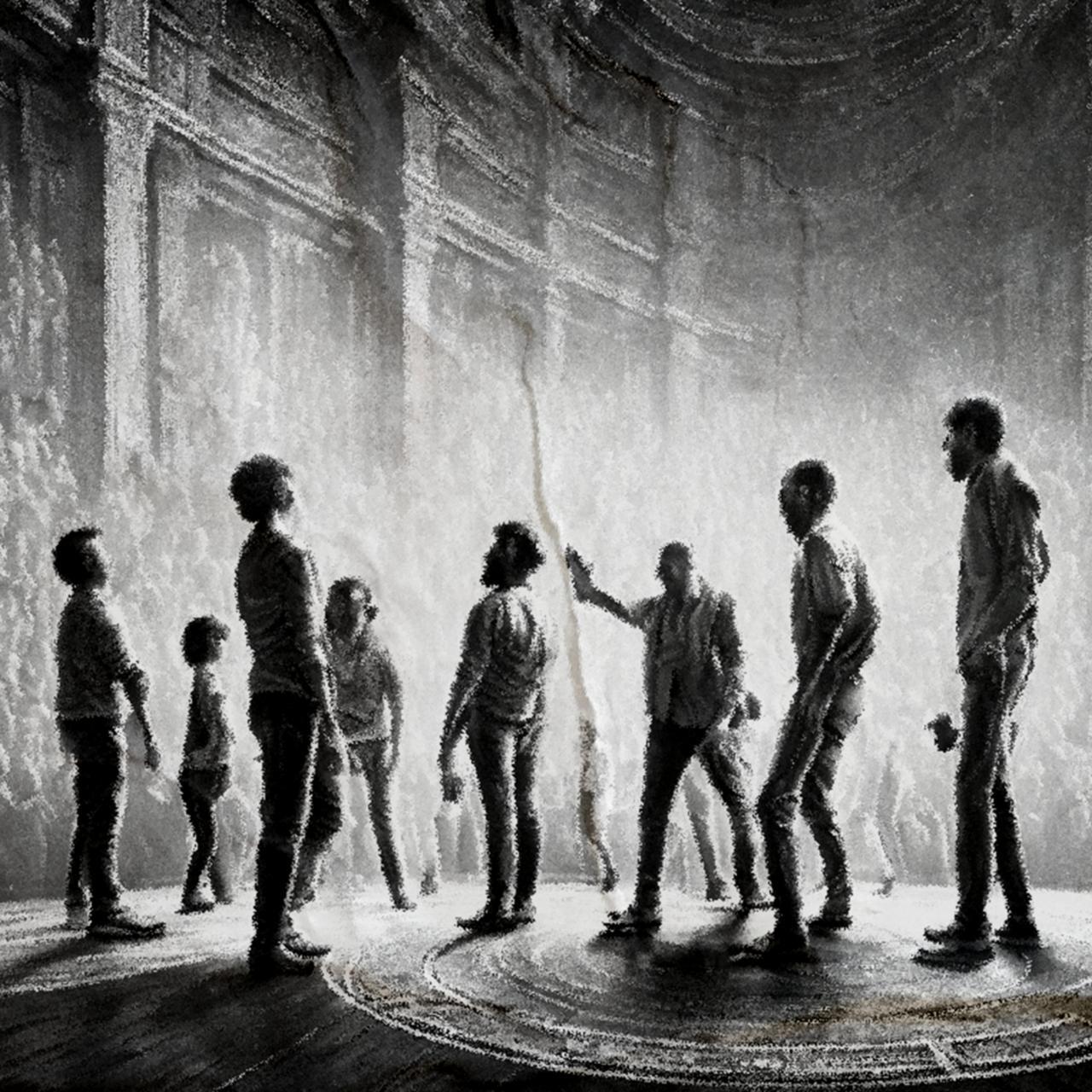
The art of storytelling goes beyond the mere arrangement of words; it involves the intricate interplay of composition that can significantly influence emotional engagement with the audience. Effective composition serves as a visual and narrative guide that evokes feelings, shapes perceptions, and enhances the connection between readers and the story. By thoughtfully considering the arrangement of visual elements, authors can create scenes that resonate deeply with their audience, eliciting various emotional responses.Composition has the power to evoke a wide array of emotions through its strategic use of elements such as balance, contrast, and framing.
For instance, a scene composed with a tight frame around a character’s face can amplify feelings of vulnerability and intimacy, while an expansive landscape can evoke a sense of isolation or freedom. The positioning of subjects within a frame also influences how readers interpret their emotional state. A character positioned at the edge of a frame may convey feelings of loneliness or despair, whereas a character placed centrally might suggest strength and confidence.
Impact of Composition on Reader Perception
The arrangement of visual elements in storytelling not only affects aesthetic appeal but also shapes how readers perceive and relate to characters and events. Understanding this impact is essential for fostering emotional engagement. Below are key aspects of how composition can alter reader perception:
- Framing: The way a scene is framed can either draw attention to a character’s emotional state or obscure it. For example, a close-up shot of a character’s eyes can capture subtle emotions, creating a moment of connection with the audience.
- Color Palette: The choice of colors can significantly influence the mood of a scene. Warm colors like reds and oranges can evoke passion or anger, while cool colors like blues and greens can instill calmness or sadness.
- Leading Lines: Utilizing leading lines helps guide the reader’s eye towards a focal point, enhancing emotional impact. For instance, a path leading away from a character can symbolize loneliness or a journey.
- Spatial Composition: The distance between characters in a scene can reflect their emotional relationship. Characters positioned closely together may signify intimacy, while those far apart can indicate conflict or estrangement.
“Composition is not merely a technique; it is an emotional language that speaks to the heart of the reader.”
Strategies for Designing Scenes that Maximize Emotional Engagement
Creating scenes that evoke strong emotional reactions requires a deliberate approach to composition. Several strategies can enhance emotional engagement, making the storytelling experience more profound and memorable.
- Establish Mood with Lighting: Utilizing light and shadow can dramatically affect the emotional tone of a scene. Soft, diffused lighting may create a sense of nostalgia, while harsh shadows can evoke tension and unease.
- Utilize Symbolic Elements: Incorporating symbols within the visual composition can deepen emotional connections. For example, a wilting flower might symbolize loss or longing, resonating with the character’s emotional journey.
- Focus on Character Expressions: Highlighting facial expressions in close-ups can reveal the inner turmoil of characters. This technique encourages readers to empathize with their struggles and triumphs.
- Vary Composition Throughout the Narrative: Changing the composition style throughout a story can reflect character development and shifts in emotional tone. For instance, starting with chaotic, fragmented compositions can mirror a character’s confusion, transitioning to more balanced arrangements as they find clarity.
In summary, the thoughtful application of composition not only enhances the storytelling experience but also fosters a deeper emotional connection between readers and characters. By mastering these techniques, authors can create compelling narratives that resonate long after the last page is turned.
Narrative Structure and Composition
The relationship between narrative structure and composition is fundamental in storytelling, as both elements work in concert to enhance the overall experience of the audience. Narrative structure provides the framework that shapes the unfolding of events, while composition involves the visual arrangement of these elements to effectively convey the story’s themes and emotions. Understanding how these two aspects interact can significantly improve storytelling, whether in literature, film, or other media.Different narrative structures serve varying purposes, and composition plays a vital role in supporting each of these structures.
For instance, a linear narrative structure presents events in a chronological manner, allowing viewers to follow the story easily. In this case, composition can be utilized to emphasize key moments through framing and visual weight, guiding the audience’s attention to critical plot points. Conversely, non-linear narratives, which may involve flashbacks or fragmented timelines, rely on composition to create coherence and maintain the audience’s engagement with the story.
Comparison of Traditional vs. Modern Narrative Structures
The distinction between traditional and modern narrative structures highlights the evolution of storytelling techniques and their implications for composition. Traditional narratives, often characterized by a clear beginning, middle, and end, employ a straightforward approach that typically adheres to established plot frameworks such as the three-act structure. These narratives often utilize composition techniques such as symmetry and balance to create a sense of harmony and predictability.In contrast, modern narratives frequently embrace complexity, ambiguity, and unconventional structures.
This includes techniques like fragmented storytelling, multiple perspectives, and unreliable narrators. The composition in modern narratives often reflects this complexity through dynamic framing, contrasting visual elements, and intentional dissonance. The following points Artikel key differences between traditional and modern narrative structures, emphasizing how composition supports these varying styles:
- Traditional Narrative Structure:
The classical narrative arc often features a clear protagonist, rising action, climax, falling action, and resolution.
Composition typically supports this structure with clear visual cues and transitions that lead the audience through the plot smoothly, maintaining a linear flow.
- Modern Narrative Structure:
Modern narratives often reject linearity, incorporating techniques that challenge the audience’s perceptions and expectations.
In these narratives, composition may utilize abrupt cuts, asymmetry, and varied pacing to create tension and reflect the internal conflicts of characters.
Understanding the interplay between narrative structure and composition allows storytellers to craft more engaging, innovative, and emotionally resonant works. By leveraging the strengths of both elements, creators can enhance narrative depth and audience immersion, resulting in a more impactful storytelling experience.
Character Development through Composition

The influence of composition on character development is profound, as visual storytelling elements can significantly enhance the audience’s understanding of a character’s journey. Composition allows creators to visually communicate a character’s emotional and psychological state, as well as their relationships with others. By carefully arranging visual elements, artists and storytellers can shape character perception and development, ultimately impacting the narrative’s emotional depth.
The arrangement of visual components not only defines how a character is perceived by the audience but also affects their evolution throughout the story. When composition is employed effectively, it can illustrate character arcs—showcasing growth, conflict, and transformation. For instance, a character who begins in a confined space may be framed in tight shots to symbolize their limitations, while later scenes may use wider frames to signify their newfound freedom or confidence.
Compositional Strategies for Character Depiction
To further explore how composition aids in character development, the following table Artikels various compositional strategies that can be utilized to depict character arcs effectively:
| Compositional Strategy | Description | Example of Character Arc |
|---|---|---|
| Framing | Use of foreground and background elements to highlight a character’s emotional state. | A character isolated in a crowded room, emphasizing their loneliness. |
| Lighting | Manipulating light and shadow to reflect a character’s internal conflict. | A character emerging from darkness into light, symbolizing their journey towards redemption. |
| Color Theory | Employing color palettes to evoke emotional responses and reveal character traits. | A character clad in vibrant colors during moments of joy, contrasted with muted tones during despair. |
| Camera Angles | Using high or low angles to alter perception of strength or vulnerability. | A hero shot from below to convey power, versus a shot from above to indicate defeat. |
| Symmetry and Asymmetry | Creating balance or imbalance in composition to reflect a character’s state of mind. | A symmetrical composition for a character at peace, contrasted with chaotic asymmetry during moments of turmoil. |
Incorporating these compositional strategies allows storytellers to craft multi-dimensional characters whose arcs resonate deeply with viewers, leading to a more engaging and emotionally charged narrative experience.
The Impact of Setting on Composition
The setting of a story is a fundamental aspect of its composition, playing a crucial role in shaping the narrative and influencing the reader’s experience. By establishing the time, place, and environment in which the story unfolds, the setting provides a backdrop that enhances the overall narrative and assists in the development of characters and plot. An effective setting not only enriches the story but also helps to create a specific atmosphere that resonates with the audience.The importance of setting in storytelling cannot be overstated, as it profoundly affects the mood and tone of the narrative.
Different settings evoke different feelings and create diverse emotional landscapes for characters and readers alike. For instance, a story set in a bustling city may convey excitement and urgency, while a tale set in a quiet, rural location might evoke feelings of tranquility or isolation. The interplay between the setting and the characters’ experiences can significantly enhance the narrative’s impact.
Techniques for Integrating Setting Seamlessly into Composition
Integrating the setting into a narrative composition requires thoughtful techniques that allow the environment to complement the story’s themes and emotions. Some effective methods include:
- Descriptive Language: Utilizing vivid imagery and sensory details helps to paint a clear picture of the setting in the reader’s mind. Descriptions of sights, sounds, smells, and textures immerse the audience in the world of the story.
- Character Interaction with the Environment: Showcasing how characters interact with their surroundings can enhance the sense of place. This can include physical actions, emotional responses, or even internal thoughts influenced by the setting.
- Symbolism of Setting: The setting can carry symbolic meaning that reflects the themes of the story. For example, a stormy night can symbolize chaos or conflict, while a serene landscape may represent peace or resolution.
- Temporal Elements: Incorporating the time of day, season, or historical context can deepen the reader’s understanding of the setting’s significance. These temporal aspects can also help convey mood, such as the warmth of a summer morning versus the cold of a winter evening.
- Consistent Tone: Maintaining a consistent tone that aligns with the setting ensures harmony between the narrative and its environment. This consistency helps to reinforce the emotional resonance of the story and keeps the reader engaged.
Integrating these techniques can transform the setting from a mere backdrop into a dynamic and influential element of storytelling, enhancing the reader’s connection to the narrative.
Revising Composition for Better Storytelling

Revising the composition of a story is a critical step in the writing process that enhances clarity and impact. It involves a thorough examination of all visual and narrative elements to ensure they align with the intended message and emotional experience. This process not only polishes the story but also helps the writer to identify areas that can be strengthened to resonate more deeply with the audience.The process of revising a story’s composition requires a systematic approach.
Initially, writers should assess the composition holistically, focusing on how the various elements—such as visuals, narrative structure, and emotional undertones—interact with each other. This approach allows for a comprehensive understanding of the story’s flow and the effectiveness of its visual storytelling. An important aspect of revision is to step back and view the work from the audience’s perspective, which can reveal inconsistencies or gaps in the narrative.
Evaluation Checklist for Composition in Storytelling
A well-structured checklist is essential for evaluating the composition of a story effectively. The following points highlight critical areas to consider during the revision process:
- Clarity: Does the composition clearly convey the central themes and messages of the story?
- Visual Cohesion: Are the visual elements—such as colors, shapes, and layouts—consistent and supportive of the narrative?
- Emotional Engagement: Does the composition evoke the intended emotional responses from the audience?
- Narrative Flow: Is the progression of the story logical and smooth, without abrupt shifts or unclear transitions?
- Character Representation: Do the visual elements effectively illustrate the characters and their development throughout the narrative?
- Setting Integration: Is the setting portrayed in a way that enhances the overall composition and supports the storyline?
- Feedback Incorporation: Have previous critiques been acknowledged and addressed in the revised composition?
Effective feedback plays a pivotal role in refining compositional elements. Engaging with peers, editors, or beta readers for their insights can provide new perspectives that the writer may overlook. Feedback can illuminate strengths as well as weaknesses in the composition, guiding writers toward improvements that enhance clarity and emotional impact. Encouraging constructive criticism allows for a more polished final product, one that resonates more effectively with its audience.
“Revising is not just about correcting mistakes; it’s about reimagining the narrative to create a more compelling and cohesive story.”
Last Point
In conclusion, mastering the art of composition is essential for any storyteller seeking to create impactful narratives. By understanding the intricate relationship between visual elements, narrative structure, and character development, writers can elevate their stories to new heights. Ultimately, effective composition not only captivates readers but also leaves a lasting impression that encourages reflection and connection.